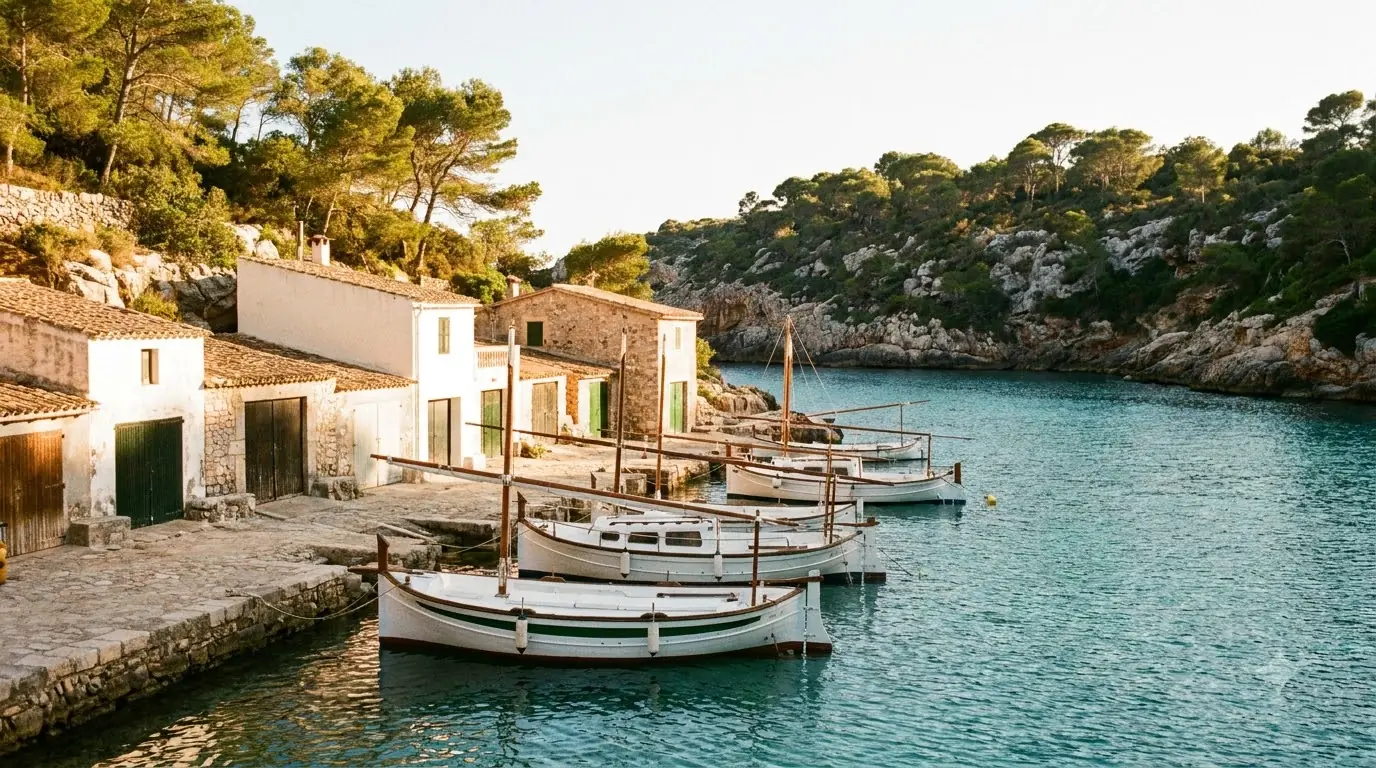
Quick answer
Rent a car for Mallorca — without one you will see Palma and one beach, because the bus network does not reach the coves most people come for.
In short
- Five days covers the island at a reasonable pace; a week if you want the north as well as the Tramuntana.
- Late May to mid-June and September are the months to aim for — July and August are the peak in every sense, October is the wettest month, and much of the north and east closes from November to March.
- Mallorca is bigger than it looks: Palma to Formentor is about 80 km of winding road, which is a full day, not an afternoon.
Mallorca needs a car and about 5 days, and it is bigger than it looks: Palma to Formentor is about 80 km of winding road. The mountain road along the north-west coast is slow by design, and the coves worth the trip are not on a bus route. Come between late May and mid-June, or in September; July and August bring the crowds and the prices.
The car decides what kind of trip you get
The car decides what kind of Mallorca trip you get: it is the single planning decision that changes everything else, and most guides mention it in passing if at all.
- Without a car you get Palma, the train to Sóller, and whichever beach the bus reaches. That is a pleasant city break, not an island trip.
- With a car you get the Serra de Tramuntana, the hill villages, and the calas on the east coast — which is what people actually mean when they say Mallorca.
- Roads in the Tramuntana are narrow, steep and slow. Distances mislead: 40 km can take ninety minutes.
- Parking in Palma is difficult and mostly paid. If you are basing yourself in the city, pick up the car on the day you leave it.
One consequence worth planning around: the mountain road is not a route you want to drive tired or in the dark. Treat the Tramuntana as a daylight activity and come back down before dusk.
The Serra de Tramuntana is the reason to come
The Serra de Tramuntana, the mountain range along the northwest coast, is a UNESCO World Heritage landscape, and the villages strung along it are the part of Mallorca that looks nothing like the postcards of the resort strip.
- Valldemossa — stone village on a terrace above the valley, and the busiest of the three because coaches stop here.
- Deià — smaller, steeper, and the one that keeps its shape late in the day when the coaches have gone.
- Fornalutx — a village of stone steps above Sóller, and the quietest of the group.
- Sa Calobra — the road down to it is the famous one, a series of hairpins including a bend that loops under itself. It is about an hour each way and there is no shortcut back.
Sa Calobra is worth doing once and is not worth doing in a hurry. If you have half a day rather than a full one, Deià and Valldemossa give you the same landscape without the two hours of driving.
Sóller, and the tram everyone recommends
Sóller sits in a bowl of orange groves behind the mountains, connected to Palma by a narrow-gauge railway from 1912 and to its port by an equally old tram.
- The train from Palma is the scenic part — it climbs through tunnels and comes out above the valley.
- The tram from Sóller down to Port de Sóller is three kilometres. In season the queue for it is often longer than the ride.
- The same three kilometres is a flat walk of about forty minutes, or a local bus that runs on the same road.
- Port de Sóller itself is a horseshoe bay with a promenade — pleasant, and not the reason you came to the mountains.
Take the train up, and decide about the tram when you see the queue. Nobody who walked down to the port has regretted it.
The coasts are three different islands
The coasts of Mallorca are three different islands, plus the city bay in the south, and the one you base yourself on shapes the whole trip.
| Coast | What it is | Best for |
|---|---|---|
| Northwest (Tramuntana) | Cliffs, pine, mountain villages | Driving, walking, the scenery |
| North (Alcúdia, Pollença) | Long sand bays, shallow water | Families, a base away from Palma |
| East (the calas) | Small coves between headlands | Swimming, but you need a car |
| South (Palma bay) | The resort strip and the city | Nightlife, and the airport |
Picking one coast and staying there beats moving hotels twice. The island is wide enough that a base in the north and a base in the south are genuinely different holidays.
Formentor and the north: Pollença and Alcúdia
Formentor and the north are the reason a week beats five days. The Formentor peninsula is the island’s far northern tip: a thin ridge of cliffs and viewpoints ending at a lighthouse, reached by a winding road from Port de Pollença.
- In summer the last stretch of road, from Formentor beach to the lighthouse, is closed to private cars during the day; in 2026 the rule ran from mid-May to mid-October, 10:00 to 22:00. Park in Port de Pollença and take the TIB bus, or drive up early in the morning.
- The Mirador Es Colomer, the first big viewpoint on the road, is open to cars and is the best single view on the peninsula.
- Pollença old town, inland, has a Sunday market and the Calvari stairway, 365 steps to a small chapel above the roofs.
- Alcúdia has a walled old town and, below it, a long shallow bay that suits families with small children.
Coves and beaches worth the drive
Coves and beaches are what most visitors picture when they book Mallorca, and the best of them are on the east and southeast coast, an hour or more from Palma by car.
- Cala Mondragó: two sandy coves inside the Mondragó Natural Park near Santanyí, with short coastal walks between them. The park car park tends to fill around midday, so arrive early.
- Caló des Moro: a tiny, much-photographed cove reached on foot down a rocky path; very crowded in summer and best seen out of season.
- Es Trenc: a long natural beach of white sand and dunes in the south, with no high-rise hotels behind it.
- Cala Deià: a pebble cove below the village, more for lunch at the fish shacks than for a beach day.
Go early in July and August: by late morning the car parks behind the popular coves are full, and the paths to them carry a steady line of people.
Palma deserves more than the airport
Palma deserves more than the airport run most itineraries give it. It is a real city with a real old quarter, and it holds up against Seville or Valencia.
- La Seu — the cathedral on the seafront, unusually tall for its footprint, with a Gaudí-altered interior.
- The old town behind it — a grid of lanes, courtyards and patios, best walked without a plan.
- Bellver Castle — a circular castle on a wooded hill above the city, with the best view over the bay.
- Santa Catalina — the old fishermen’s quarter turned into the eating district.
Eat in Palma once. Try pa amb oli, bread rubbed with tomato and olive oil and topped with ham or cheese; sobrassada, the paprika sausage; tumbet, a layered vegetable dish; and an ensaïmada, the coiled pastry dusted with sugar, for breakfast. The Mercat de l’Olivar near the Plaça d’Espanya has food counters as well as stalls.
What to skip, or do differently
What to skip in Mallorca is mostly about distance and timing. These are the common mistakes on a first trip:
- A base in the resort strip around Magaluf if you came for the mountains: you will spend the trip driving.
- Sa Calobra on a day you are also doing Formentor: each needs most of a day on slow roads.
- The tram queue in Sóller in high season: the walk down to the port takes about forty minutes.
- A trip in winter expecting beach towns: much of the north and east closes between November and March.
For the days around this list, use the Mallorca itinerary, check where to stay in Mallorca and the best time to visit Mallorca.
Where to stay in Mallorca
Which part of town you sleep in decides more of the trip than the day count does. The map shows the same property across Booking.com and Agoda, with prices live from them.
Common questions
How many days in Mallorca is enough?
Five days is enough to cover Palma, the Serra de Tramuntana and one stretch of coast without rushing. A week lets you add the north, meaning Pollença, Alcúdia and the Formentor peninsula, which otherwise gets squeezed into a single long drive. Two bases save hours on the road.
Do you need a car in Mallorca?
Yes, you need a car in Mallorca unless you plan to stay in Palma. The buses link the main towns but not the coves or the mountain villages, and those are what most visitors come for. Without a car the island shrinks to a city break with the train to Sóller and one beach the bus reaches.
What should you not miss in Mallorca?
Do not miss the Serra de Tramuntana, specifically the villages of Deià and Valldemossa, the old train from Palma to Sóller, and Palma cathedral on the seafront. With more time, add the Formentor peninsula in the north and a morning at one of the east-coast coves, such as Cala Mondragó, before the crowds arrive.
Is Mallorca nicer than Ibiza?
Mallorca and Ibiza answer different questions. Mallorca is much larger, has real mountains, a proper city and enough variety for a week without a plan. Ibiza is smaller and flatter, and its holidays are organised around the coast and the nightlife. For walking, villages and a city, Mallorca is the better choice.
What is Mallorca best known for?
Mallorca is best known for the Serra de Tramuntana mountain range on the northwest coast, a UNESCO World Heritage landscape, the coves along the east coast and Palma cathedral, La Seu, on the seafront. The resort strip near the airport is the most visible part of the island and the least representative of it.
Opens a price map of Mallorca. We may earn a commission if you book, at no extra cost to you.
Also on Mallorca
Nearby
- Barcelona — 206 km
Where to next
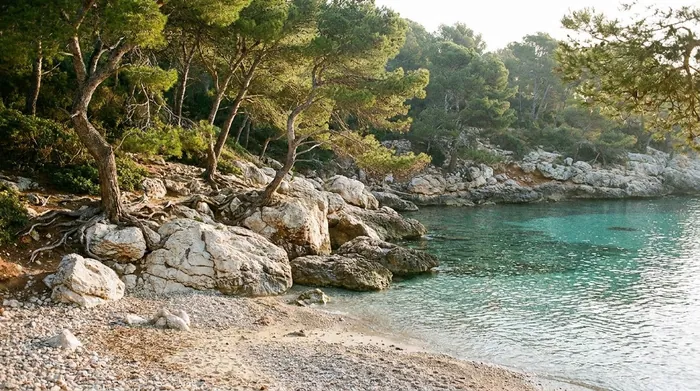
Where to Stay in Mallorca
Which area suits you, and which streets to refuse.
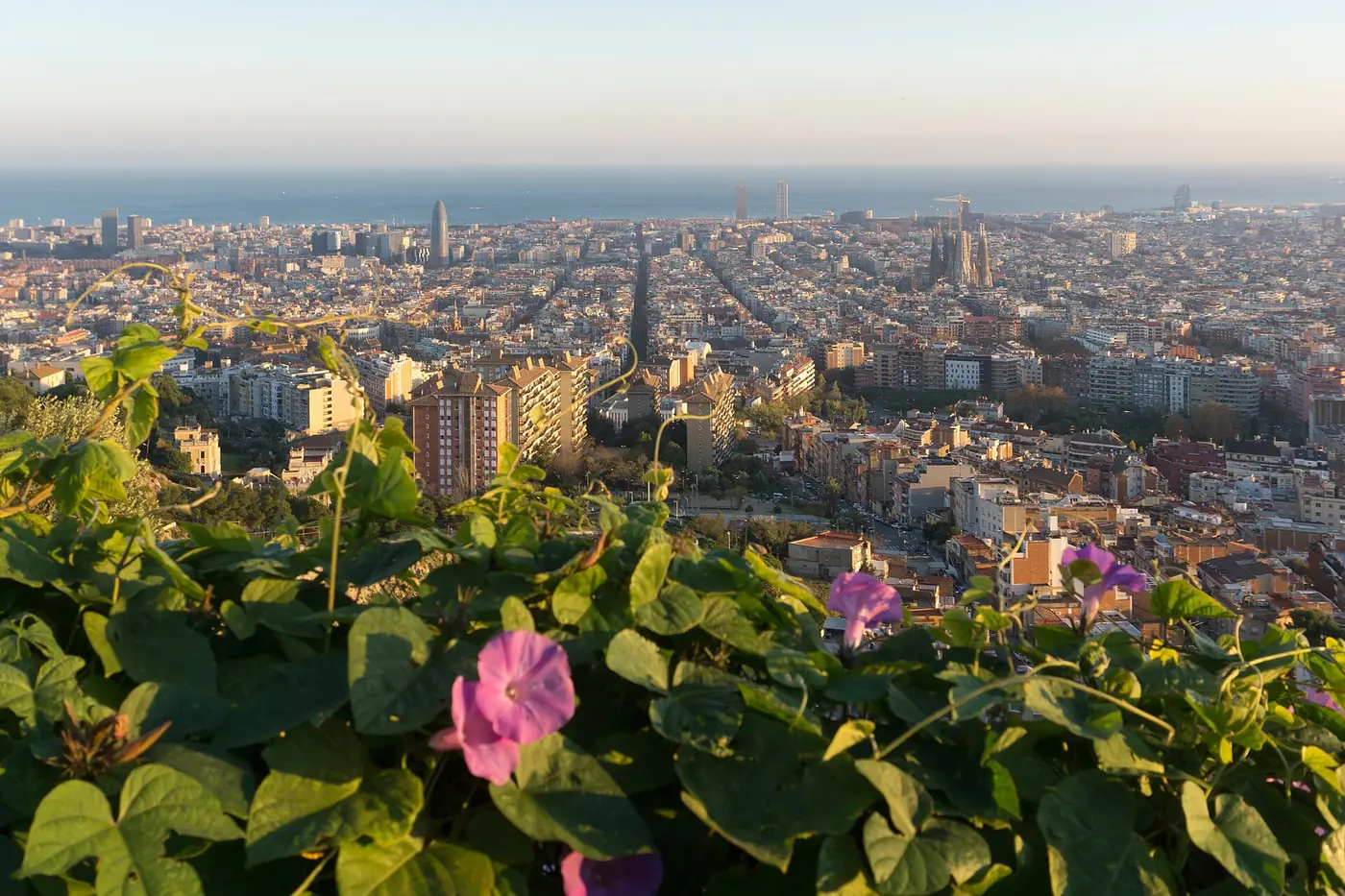
The rest of Spain
More places, sorted by region.
Barcelona — 206 km
Catalonia, within reach of Mallorca.
Keep planning Mallorca
Written and checked by
Travel Guide Kit Editorial
An editorial desk, not an invented persona. Every opening time, ticket price and transport connection here is checked against the operator’s own website and carries the date it was read. Where a page cannot draw on direct experience, it says so.