Go to Mallorca in late May to mid-June, or in September. Those weeks average 23-28°C highs with 12-50 mm of rain, a warm sea and prices below the July peak. Winter is the wrong call despite the mild reputation — Palma averages 5.1 frost days in January and much of the coast closes.
Mallorca has a short peak and two good shoulders, and the shoulders are where the island is at its best. Either side of July and August you get water warm enough to swim in, roads and trails that are not full, and hotels that have not yet moved to peak rates.
Between the two, June suits walkers and drivers and September suits swimmers. The Serra de Tramuntana trails are comfortable in June at 28°C and punishing in the same conditions once the humidity rises in September.
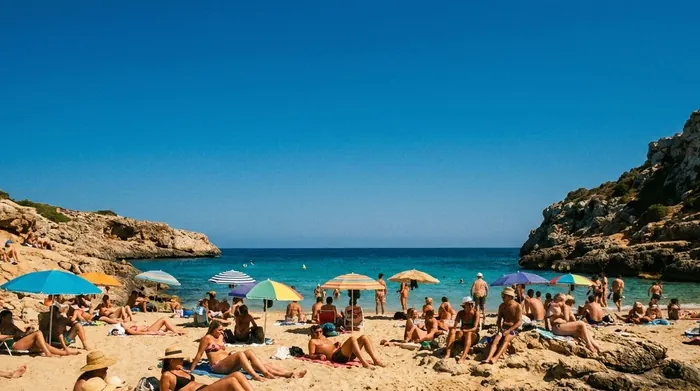
These are the 1981-2010 climate normals for Palma de Mallorca Aeropuerto published by AEMET, the Spanish state meteorological agency. The station sits in the flat south of the island; the Tramuntana mountains in the north-west are consistently cooler and wetter than these figures.
| Month | Mean high | Mean low | Rain | Sunshine | Storm days |
|---|---|---|---|---|---|
| January | 15.2°C | 3.8°C | 37 mm | 163 h | 0.8 |
| February | 15.4°C | 4.0°C | 32 mm | 166 h | 0.8 |
| March | 17.5°C | 5.2°C | 26 mm | 202 h | 0.8 |
| April | 19.8°C | 7.4°C | 34 mm | 234 h | 1.3 |
| May | 23.7°C | 11.3°C | 32 mm | 283 h | 1.2 |
| June | 28.1°C | 15.4°C | 12 mm | 316 h | 0.8 |
| July | 31.2°C | 18.3°C | 5 mm | 342 h | 0.7 |
| August | 31.3°C | 18.9°C | 17 mm | 315 h | 1.8 |
| September | 27.9°C | 16.5°C | 50 mm | 222 h | 3.9 |
| October | 23.9°C | 13.1°C | 62 mm | 203 h | 2.9 |
| November | 19.0°C | 8.3°C | 55 mm | 162 h | 2.1 |
| December | 16.1°C | 5.4°C | 48 mm | 152 h | 1.6 |
Mallorca receives 411 mm of rain across the year and 2,756 hours of sunshine, which makes it both drier and sunnier than Barcelona on the mainland. The rain that does fall is concentrated into September, October and November.
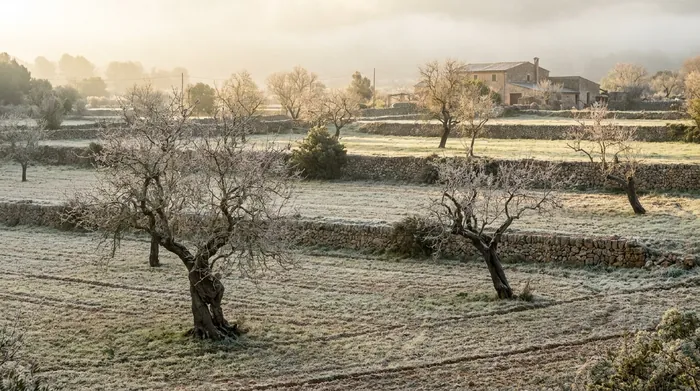
The mild-winter reputation comes from the daytime figures, and those are genuinely pleasant — a 15.2°C January high is shirtsleeve weather in the sun. The nights are a different matter, and they are the part that gets left out of the brochures.
For a winter trip this means Palma itself rather than the resorts: the city stays open year-round, the cathedral and old town work in any weather, and the restaurants are not seasonal. Anyone picturing a beach holiday should look at the Canaries instead.
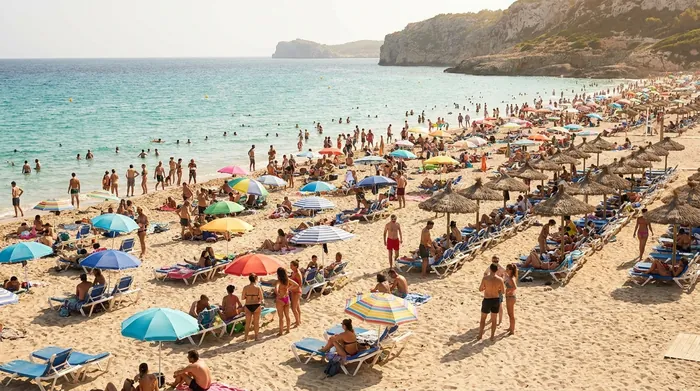
If the only thing that matters is guaranteed sun, July is unambiguously the month — it is the driest and sunniest on the island by a wide margin. The cost of that certainty is everything else about the experience.
The honest trade is this: July buys you weather certainty and costs you space, price and the mountain half of the island. June gives up very little weather — 12 mm and 316 sunshine hours — for a great deal of room.
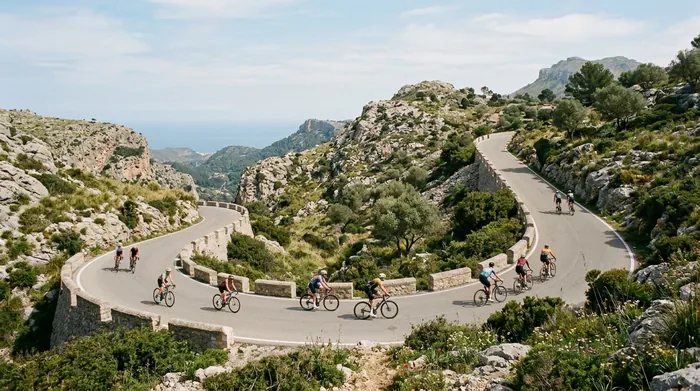
Mallorca is several different holidays on one island, and they do not share a best month. These windows follow the AEMET normals.
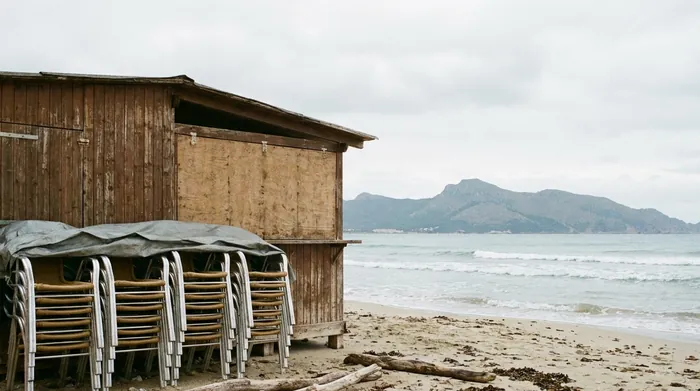
On the Spanish mainland the seasons change the price. On Mallorca they change what exists. A large share of the island’s tourism infrastructure is seasonal, which makes the shoulder dates more consequential here than in a city.
Check that the specific hotel and the specific restaurants are open for your dates before booking anything outside May to October. This is the mistake that turns a cheap shoulder-season week into a week with nowhere to eat.
June or September. June averages a 28.1°C high with 12 mm of rain and 316 hours of sunshine; September averages 27.9°C with 50 mm and a warmer sea (AEMET 1981-2010 normals). June suits walkers and drivers, September suits swimmers.
Autumn. September, October and November average 50 mm, 62 mm and 55 mm, the three wettest months of the year. July is the driest at 5 mm. The island receives 411 mm across the year, less than Barcelona on the mainland.
Only as a city break in Palma. Daytime highs stay at 15-16°C, but Palma airport averages 5.1 frost days in January, and a large share of the coastal hotels and restaurants close from November to March. It is not a winter-sun destination in the way the Canaries are.
Five days is the point at which the island stops being a resort strip — enough for Palma, the Tramuntana coast road and two or three beaches without driving the same road twice. The main Mallorca guide sets out how those days divide.
November to February, and the saving is large. The trade-off is that the coast largely closes for those months, so the trip has to be based in Palma. The cheapest week with the resorts still operating is usually the last week of October.
It is the hottest of the Balearic months, at highs of 31.2°C and 31.3°C — roughly 3°C above Barcelona at the same time of year. For beach days that is fine. For the Tramuntana hiking routes it is hard work, and those are better in April, May or October.