Quick answer
Three full days is the right length for Barcelona; two days means cutting either Park Güell or the Gothic Quarter.
In short
- Late May to mid-June is the best window: warm, dry and before the July–August peak. September and October are the two wettest months.
- Sagrada Família, Park Güell, Casa Batlló and La Pedrera all use timed entry and sell out weeks ahead in summer.
- Stay in Eixample on a first visit; El Born if you want to walk to dinner.
3 full days covers Barcelona properly, and a 4th is for Montserrat: one day for the Gaudí buildings, one for the old city and the waterfront, and one loose day for Montjuïc. Two days works but means skipping either Park Güell or the Gothic Quarter. Go between late May and mid-June, since July and August are hot and crowded and September and October are the wettest months.
Book the Gaudí buildings before anything else
Booking the Gaudí buildings is the one part of a Barcelona trip that punishes improvisation. Four Gaudí sites use timed entry, and in summer the popular slots go weeks ahead. Turning up without a slot usually means not getting in.
- Sagrada Família: the basilica, still unfinished; book the earliest slot for the morning light through the east windows.
- Park Güell: a terraced hillside above the city; the free area is large, the paid Monumental Zone is the mosaic part.
- Casa Batlló: the sea-themed house on Passeig de Gràcia, the most crowded of the four.
- La Pedrera (Casa Milà): five minutes further up the same street, known for its rooftop chimneys.
If you only do two, make them the Sagrada Família and Park Güell. They are the two that look nothing like the photographs: the basilica because of what the light does inside it, the park because it is a hillside with a view rather than the single mosaic bench everyone photographs.
Plan the order around the slots, not the map. The Sagrada Família and Sant Pau sit ten minutes apart in the east of Eixample; Casa Batlló and La Pedrera share Passeig de Gràcia in the middle; Park Güell is up the hill above Gràcia and is best on its own morning or late afternoon.
Beyond Gaudí: Modernisme without the queues
Modernisme in Barcelona goes well beyond Gaudí, and the other buildings are calmer and often more rewarding. Two of them, the Hospital de Sant Pau and the Palau de la Música Catalana, both by Lluís Domènech i Montaner, were listed by UNESCO in 1997.
- Hospital de Sant Pau: a complex of tiled pavilions and gardens a short walk from the Sagrada Família; easy to pair with it on the same morning.
- Palau de la Música Catalana: a concert hall with a stained-glass skylight; see it on a guided visit or, better, at a concert.
- Casa Vicens: Gaudí’s first house, in Gràcia, smaller and far less crowded than Casa Batlló.
- Palau Güell: Gaudí’s early town palace just off La Rambla, with a rooftop of tiled chimneys.
On Passeig de Gràcia, Casa Batlló stands beside Casa Amatller by Josep Puig i Cadafalch and a few doors from Casa Lleó Morera by Domènech i Montaner: three Modernista architects on one block, worth seeing from the pavement even if you only go inside one.
These suit a second visit, a rainy afternoon or anyone who wants the architecture without the crowds of Passeig de Gràcia.
The old city is for walking, not for a list
The old city of Barcelona, the Gothic Quarter, El Born and El Raval, sits between Plaça de Catalunya and the sea. It rewards wandering more than ticking off sights, but four places are worth aiming at:
- Barcelona Cathedral: the Gothic one in the Barri Gòtic, not the Sagrada Família.
- Santa Maria del Mar: a plainer, better-proportioned church in El Born.
- Picasso Museum: his early work; the famous later paintings are elsewhere.
- Mercat de Santa Caterina: the market locals use, a few streets from the tourist-priced Boqueria.
La Rambla runs through the middle of it and is worth walking once, briefly. It is the most pickpocketed street in the city, and the food on it is priced for people who will not come back. Turn off it early.
El Raval, west of La Rambla, is the rougher, more mixed part of the old city, with the white MACBA museum of contemporary art, skateboarders on its square and some of the cheapest lunches in the centre. Keep a closer eye on bags here, especially at night.
Between the areas, the metro is quicker than any bus. A T-casual ticket of 10 journeys in zone 1 costs €13 and can be shared by travellers riding together one after the other.
Montjuïc is the half-day most people cut, and should not
Montjuïc, the hill south of the centre, holds the Joan Miró Foundation, the Montjuïc castle, the national art museum of Catalonia and one of the best free views of the city. A cable car runs up from the harbour and a funicular from Paral·lel metro station.
Give it an afternoon: the Miró Foundation, the gardens on the slope and the castle walls at sunset. On some evenings the Magic Fountain at the foot of the hill runs its light and music show; the schedule changes with the season, so check it before planning around it.
The national art museum of Catalonia, in the domed palace above the fountain, holds the best collection of Romanesque church murals anywhere, removed from Pyrenean chapels. Further along the hill is the Olympic ring, built for the 1992 Games, with the stadium and Calatrava’s white communications tower.
Free views, parks and the beach
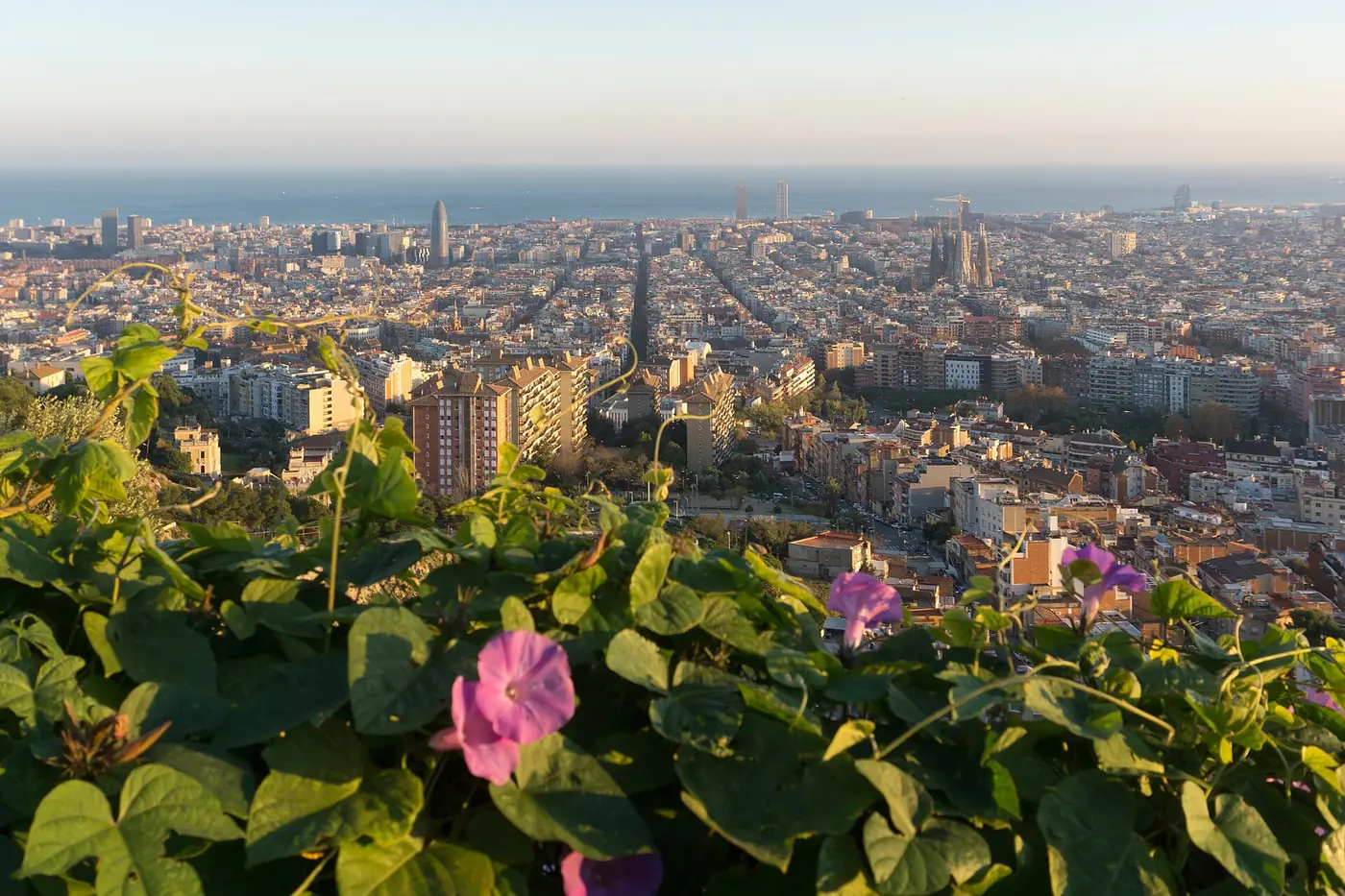
Free views over Barcelona are easy to find. The Bunkers del Carmel, an old anti-aircraft battery on a hilltop above Gràcia, gives the widest panorama of the city and the sea, especially at sunset. The free part of Park Güell and the Montjuïc gardens come next.
- Ciutadella Park: the green space beside El Born, with the ornate Cascada fountain and a boating lake.
- Barceloneta beach: a short walk from the old city; lively and crowded in summer.
- Bogatell and the beaches further east: quieter, cleaner and better for an actual swim.
Tibidabo, the highest hill behind the city, adds a further view, an old amusement park and the Sagrat Cor church on the summit. It takes most of an afternoon to get up and back by bus and the Tibidabo funicular, so it suits a fourth or fifth day rather than a first visit.
Eating in Barcelona: markets, hours and what to order
Eating in Barcelona works on a later clock than most visitors expect. Lunch is the main meal, usually from about 2pm, and dinner rarely starts before 9pm. Restaurants that are full at 7pm are generally the ones aimed at visitors.
- The Boqueria opens Monday to Saturday from 8:00 to 20:30 and is closed on Sundays; go early, before the crowds.
- Santa Caterina in El Born is the calmer market, with a good lunch counter.
- Order pan con tomate, croquetas, pimientos de Padrón and a vermouth before lunch, as locals do at weekends.
For dinner, the streets of Gràcia, Sant Antoni and El Born have more neighbourhood places than the Gothic Quarter, and a set lunch menu on a weekday is the cheapest good meal in the city. Seafood is best near the water in Barceloneta, though the restaurants facing the beach charge for the view.
Day trips worth the train fare
Day trips from Barcelona are easy by train, and one is worth a full day of a longer stay.
| Where | Travel time, one way | Best for |
|---|---|---|
| Montserrat | ~1 hour + rack railway or cable car | Mountain monastery on a serrated rock massif |
| Girona | 40 minutes by high-speed train | A small walled city with an intact Jewish quarter |
| Sitges | 35 minutes by local train | Beach town; the easiest of the three on a half day |
| Tarragona | ~1 hour | Roman amphitheatre above the sea |
Montserrat is the one to pick if you only do one, and it is the one that needs a full day rather than an afternoon.
Girona has a walled old town, a cathedral reached by a long flight of steps and a well-kept Jewish quarter. Tarragona was the Roman city of Tarraco, a UNESCO site, with an amphitheatre above the sea. Sitges is the easiest on a half day. For planning a longer stay, see how many days to spend in Barcelona.
What to skip, or do differently
What to skip in Barcelona is mostly about time, not quality. These are the common mistakes on a first visit:
- Eating on La Rambla: priced for visitors who will not return; walk it once and eat a few streets away.
- All four Gaudí interiors in one day: two is plenty, and the rest look better from the street.
- The open-top bus on a short trip: the old city and Eixample are faster on foot and by metro.
- The beach in August at midday: hot and packed; go early or choose Bogatell instead.
For the days around this list, use the Barcelona itinerary, check where to stay in Barcelona and the best time to visit Barcelona, or read whether Barcelona is worth visiting.
Where to stay in Barcelona
Which part of town you sleep in decides more of the trip than the day count does. The map shows the same property across Booking.com and Agoda, with prices live from them.
Common questions
How many days do you need in Barcelona?
Three full days is the right length for Barcelona: one for the Gaudí buildings, one for the Gothic Quarter, El Born and the waterfront, and one for Montjuïc. Add a fourth day for Montserrat. Two days works only if you skip either Park Güell or most of the old city.
Do you need to book the Sagrada Família in advance?
Yes. The Sagrada Família uses timed tickets and the popular morning slots sell out weeks ahead between spring and autumn. Book it before the flights if the dates are fixed. Park Güell’s paid Monumental Zone, Casa Batlló and La Pedrera also use timed entry, so book those next.
What is free to do in Barcelona?
Much of Barcelona is free: walking the Gothic Quarter and El Born, the view from the Bunkers del Carmel, Ciutadella Park, the beaches from Barceloneta to Bogatell, and the outside of every Modernista building. Park Güell’s large free area also costs nothing; only its mosaic Monumental Zone needs a ticket.
Is the Boqueria market worth visiting?
The Boqueria is worth one early visit, ideally soon after it opens at 8:00, before the crowds and the tourist-priced juice stalls take over. It is closed on Sundays. For everyday shopping and a calmer lunch counter, the Mercat de Santa Caterina in El Born is the better market.
What should you skip in Barcelona?
Skip the restaurants on La Rambla, which are priced for visitors who will not return, and walk it only once. Skip trying to fit all four Gaudí interiors into one day; two is plenty. On a short trip, skip the open-top bus, because the old city and Eixample are faster on foot and by metro.
Opens a price map of Barcelona. We may earn a commission if you book, at no extra cost to you.
Also on Barcelona
- Is Barcelona Worth Visiting?
- Barcelona Itinerary
- How Many Days in Barcelona?
- Best Time to Visit Barcelona
- Where to Stay in Barcelona
Nearby
- Mallorca — 206 km
Where to next
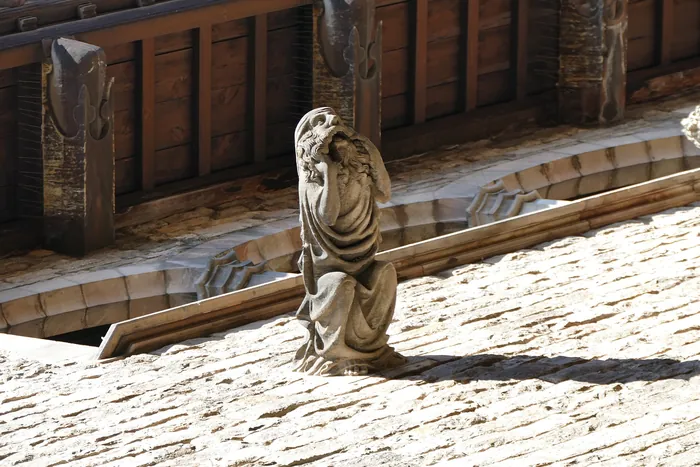
Where to Stay in Barcelona
Which area suits you, and which streets to refuse.
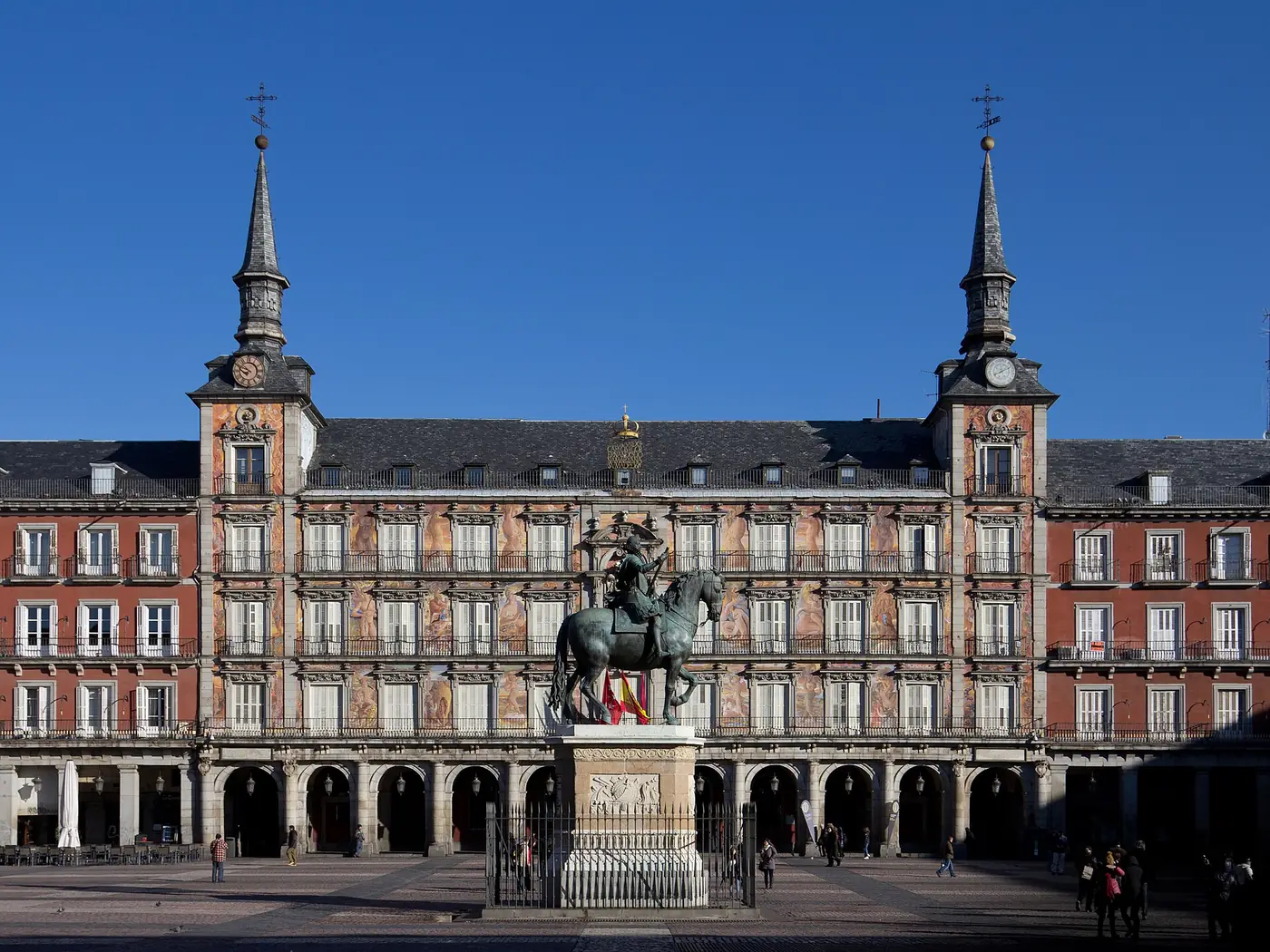
The rest of Spain
More places, sorted by region.
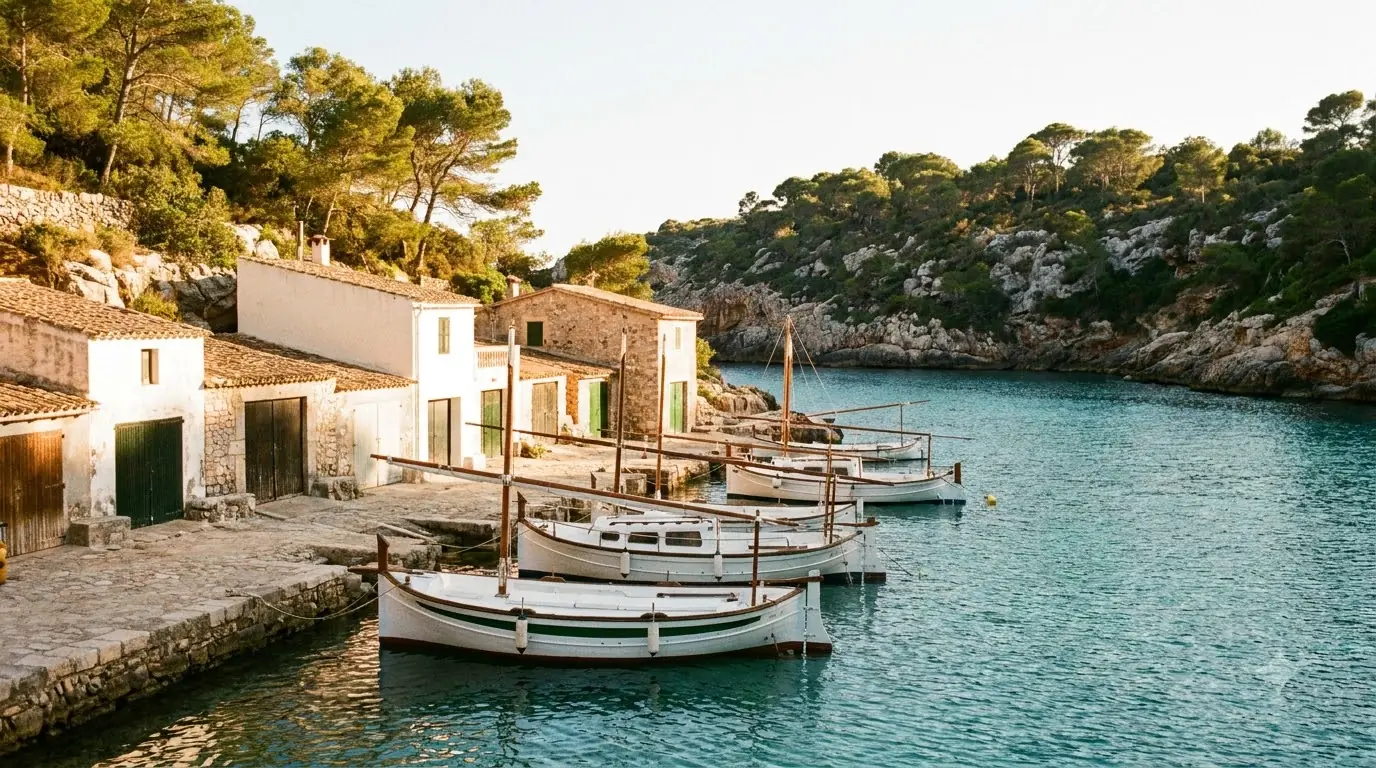
Mallorca — 206 km
Balearic Islands, within reach of Barcelona.
Keep planning Barcelona
Written and checked by
Travel Guide Kit Editorial
An editorial desk, not an invented persona. Every opening time, ticket price and transport connection here is checked against the operator’s own website and carries the date it was read. Where a page cannot draw on direct experience, it says so.