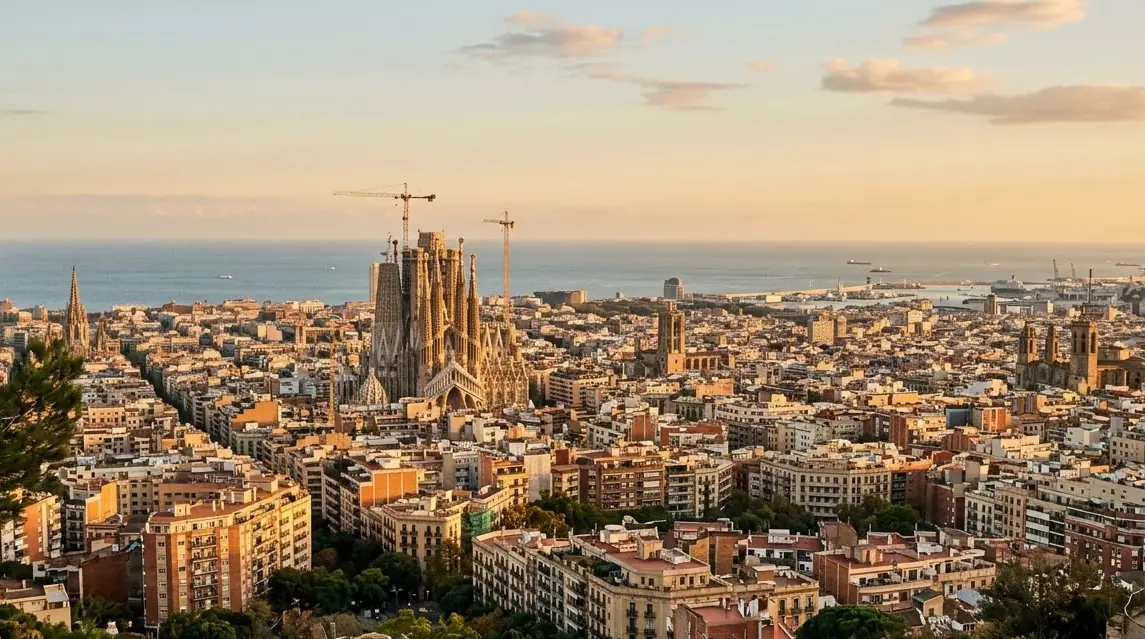
Yes — Barcelona is worth three or four days, and nowhere else has anything like the Gaudí buildings. It is also genuinely crowded, and it rewards planning: the Gaudí slots sell out weeks ahead in summer. It suits least those who hate crowds or booking ahead, and it is at its best from late May to mid-June.
Barcelona is popular enough that the real question is whether it lives up to it. For most trips it does, provided you plan around the parts that are genuinely difficult.
| Barcelona is worth it if you… | Think twice if you… |
|---|---|
| Care about architecture | Hate crowds and travel in July or August |
| Want a city and a beach in one trip | Do not want to book anything ahead |
| Have three or four days | Have one day and want everything |
| Travel between late May and mid-June | Can only travel in September or October and want dry weather |
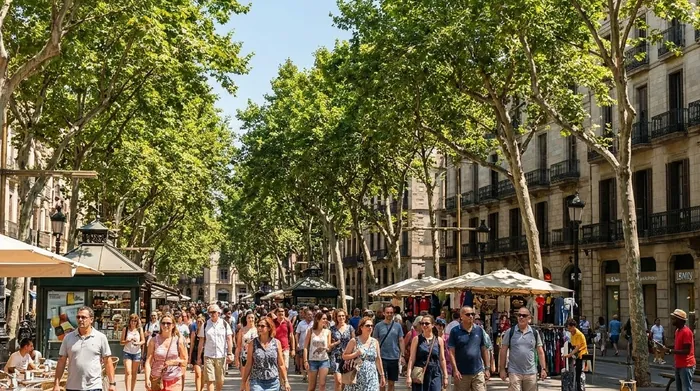
| Enjoy late dinners in small restaurants | Want to eat on La Rambla |
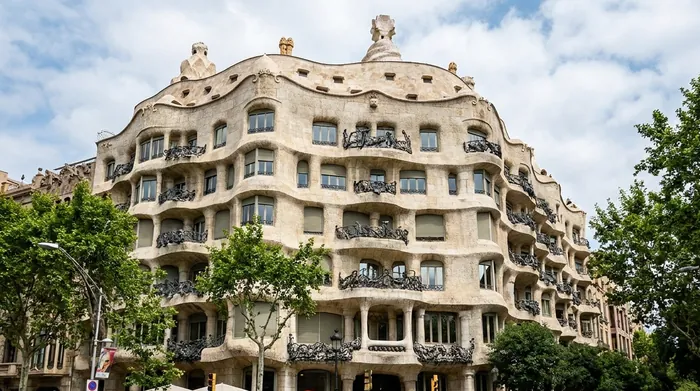
Barcelona’s case rests on a combination no other Iberian city has.
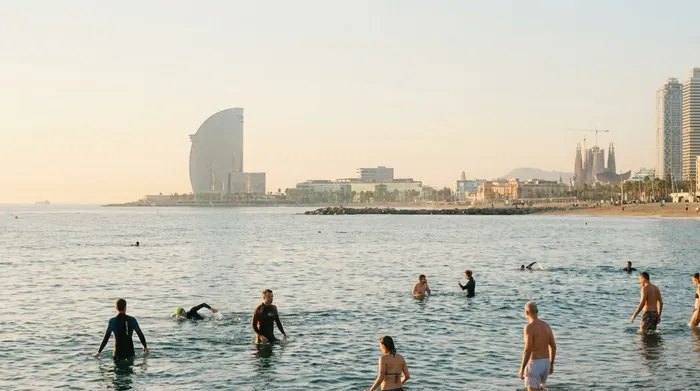
The disappointments are real, and they are concentrated in a few places and a few months.
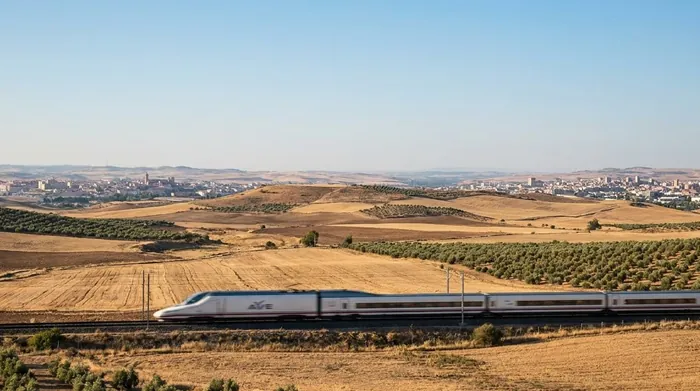
This is the comparison most first trips to Spain are making. Both are worth it; many trips include both, linked by high-speed train.
| Barcelona | Madrid | |
|---|---|---|
| Days needed | 3-4 | 3 |
| Strongest for | Architecture, the sea | Art museums, evenings |
| July mean high | 28.0°C | 32.1°C |
| Best month | June | September |
| Best day trip | Montserrat | Toledo |
Temperatures are AEMET 1981-2010 climate normals. On a first trip, a day more in Barcelona than in Madrid suits most itineraries, because of the Gaudí bookings and the beach.
The city is open all year, but some months deliver far less of what people come for. These are the 1981-2010 climate normals for Barcelona Aeropuerto from AEMET.
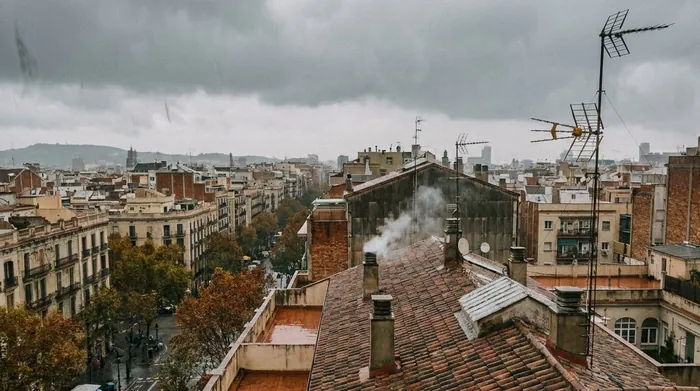
Most of what disappoints visitors can be avoided with a few decisions made before the trip.
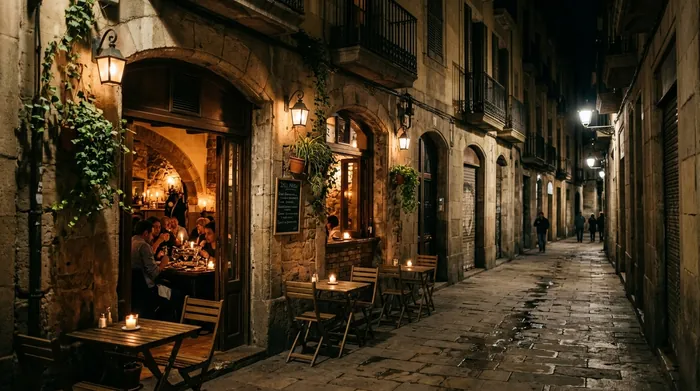
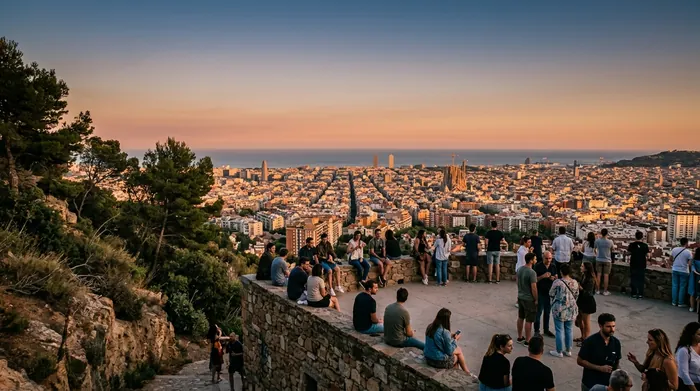
Three full days — the Gaudí buildings, the old city and the waterfront, and Montjuïc — and a fourth for Montserrat.
Barcelona for architecture and the sea, Madrid for art museums and late nights. Many first trips to Spain do both, three days each, linked by high-speed train.
The Gaudí buildings are not. What disappoints people is avoidable: La Rambla, the tourist-priced markets, and turning up in August without booked slots.
August, for heat, crowds and closures; and September and October if dry weather matters — they average 81 mm and 91 mm of rain (AEMET 1981-2010).
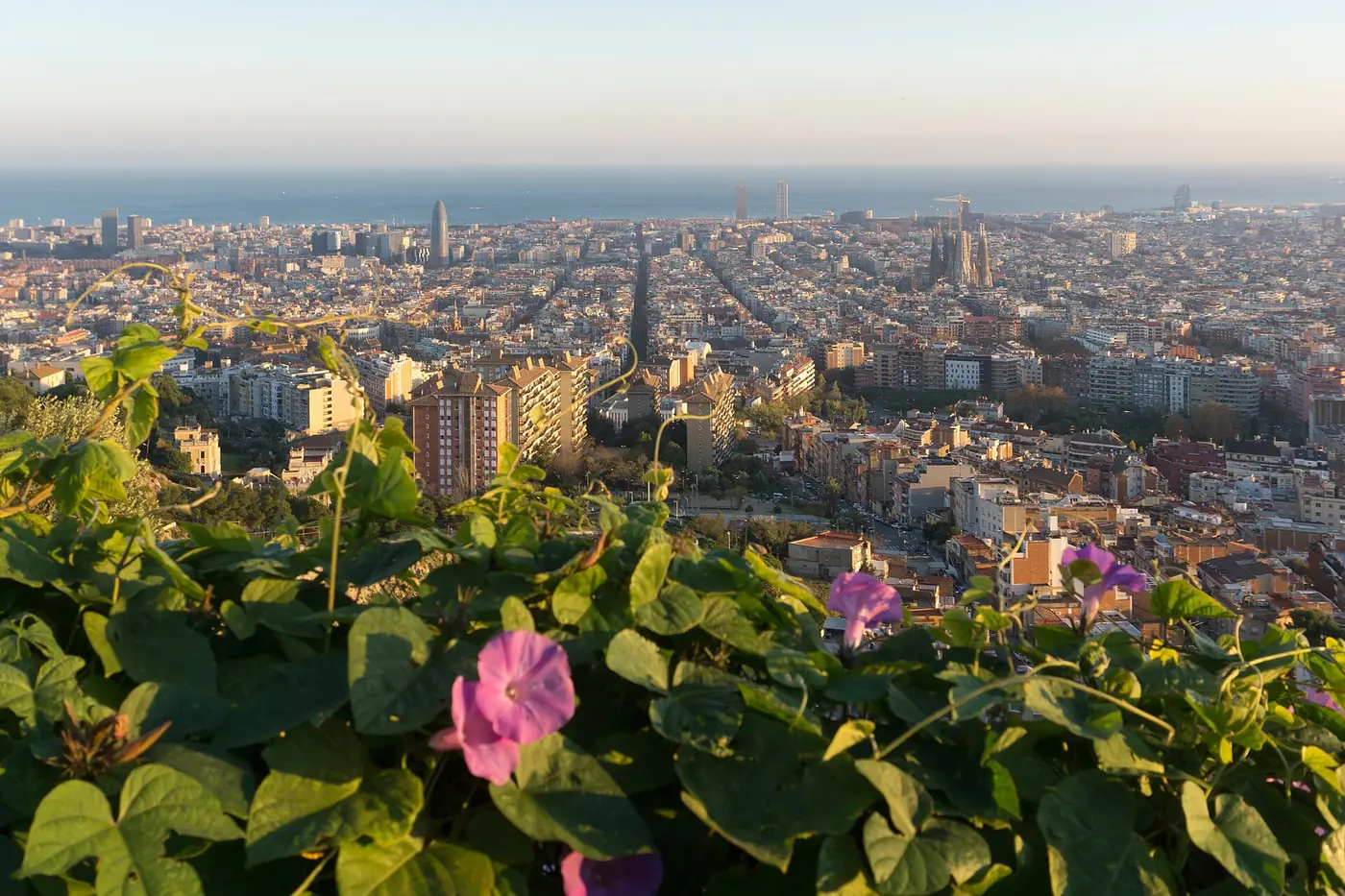 Things to Do in BarcelonaThe main guide — how long to stay and what is worth the time.
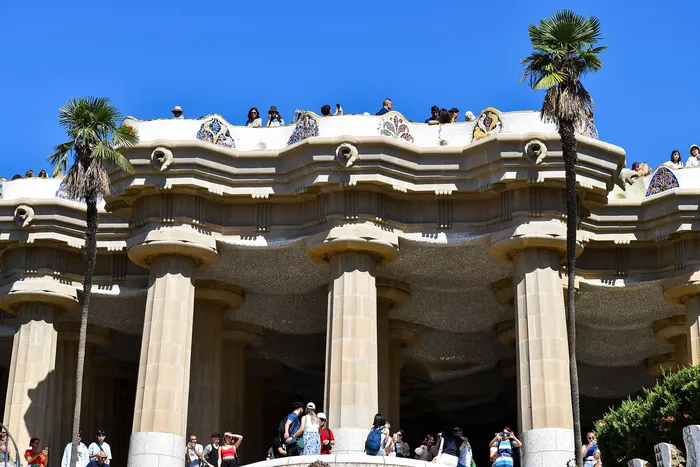 Where to Stay in BarcelonaWhich part of Barcelona to sleep in, and who each area suits.Best Time to Visit BarcelonaWhen to go to Barcelona, month by month.How Many Days in Barcelona?How long you actually need in Barcelona, and what fits in each extra day.