Trips, planned properly
Travel Guide Kit

Spain · Catalonia

Barcelona Itinerary

By Quyen Lam · Checked September 2026

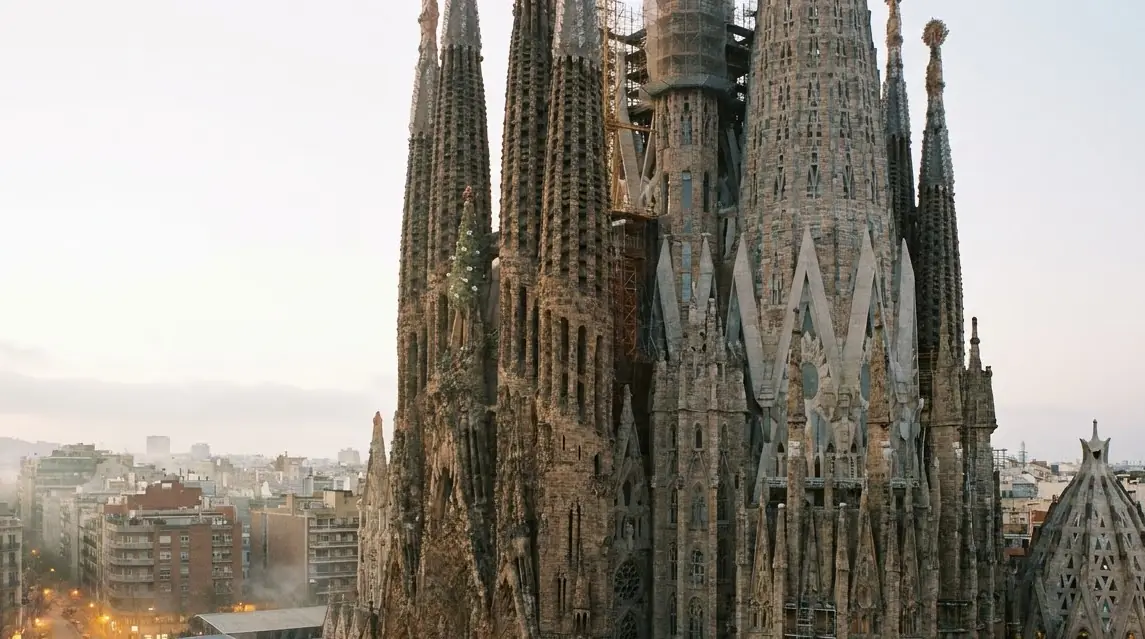
Illustration of a basilica with tall stone spires in Barcelona in morning light
AI-generated · GLabs nano_banana_pro · Generated
In short

Spend day one on the Gaudí buildings, day two in the Gothic Quarter, El Born and on the waterfront, and day three on Montjuïc. Add Montserrat as a fourth day. Book the Gaudí time slots first and build around them: they are the only part of a Barcelona itinerary you cannot rearrange on the day.

Day 1: the Gaudí day

This is the day with fixed times, so it is the day to plan first. Sagrada Família and Park Güell are not next to each other — Park Güell is on the hill above Gràcia — so leave travel time between the two slots.
  1. Morning: Sagrada Família at the earliest slot you can get. The east-facing façade and the stained glass are at their best in the morning light.
  2. Late morning: walk or take the metro to Passeig de Gràcia for Casa Batlló, then La Pedrera five minutes further up the same street. Pick one to go inside; see the other from the pavement.
  3. Lunch: in the Eixample, from about 2pm. The grid streets off Passeig de Gràcia are full of weekday lunch menus.
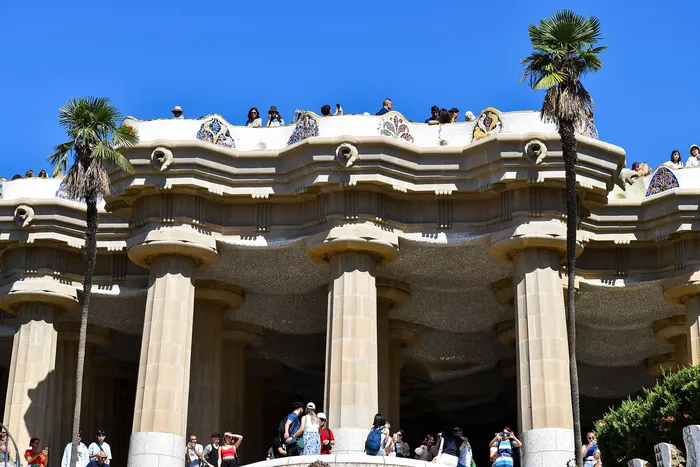
  4. Afternoon: Park Güell. The paid Monumental Zone is the mosaic part; the free area around it is large and has the view.
  5. Evening: down to Gràcia for dinner, a former village of small squares that fills up after 9pm.
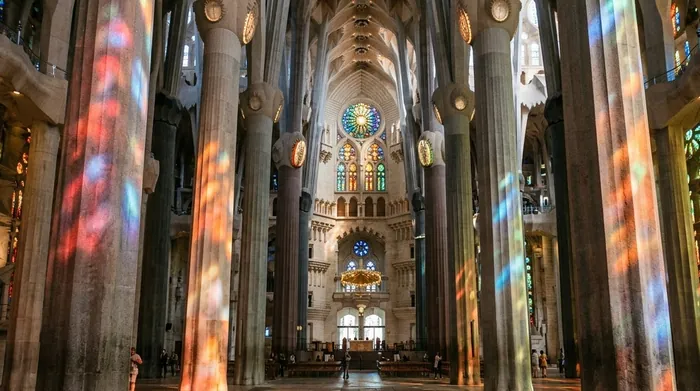
Illustration of stained-glass light on tall stone columns inside a basilica
Illustration of stained-glass light on tall stone columns inside a basilicaAI-generated · GLabs nano_banana_pro · Generated

If you can only get one Gaudí interior, make it Sagrada Família. The others can be appreciated from the street; its interior is the point.

Day 2: the old city and the waterfront

This is the day that needs no bookings, so it can move if the Gaudí slots force a change. The Gothic Quarter, El Born and the waterfront sit next to each other between Plaça de Catalunya and the sea.
  1. Start at Barcelona Cathedral — the Gothic one in the Barri Gòtic, not the Sagrada Família — and wander the lanes around it.
  2. Walk east into El Born to Santa Maria del Mar, a plainer and better-proportioned church.
  3. The Picasso Museum is two minutes away and holds his early work; the famous later paintings are elsewhere.
  4. Buy lunch ingredients or eat at Mercat de Santa Caterina, the market locals use.
  5. Afternoon: walk down to the harbour and along to Barceloneta and the beach.
  6. Evening: back to El Born, which has the best concentration of small restaurants in the old city.
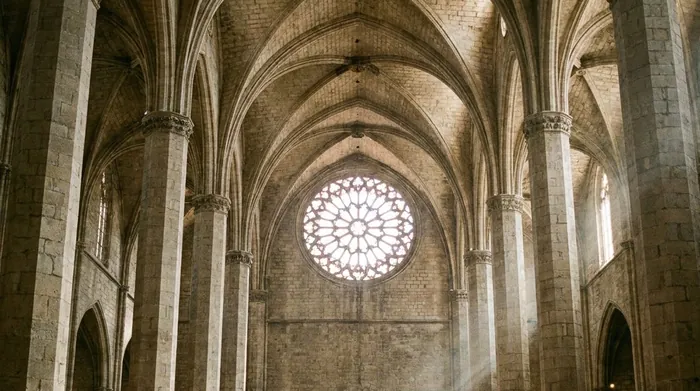
Illustration of a tall Gothic church interior with slender columns
Illustration of a tall Gothic church interior with slender columnsAI-generated · GLabs nano_banana_pro · Generated

La Rambla runs through the middle of all this. Walk it once, briefly, and turn off early: it is the most pickpocketed street in the city, and the food on it is priced for people who will not come back.
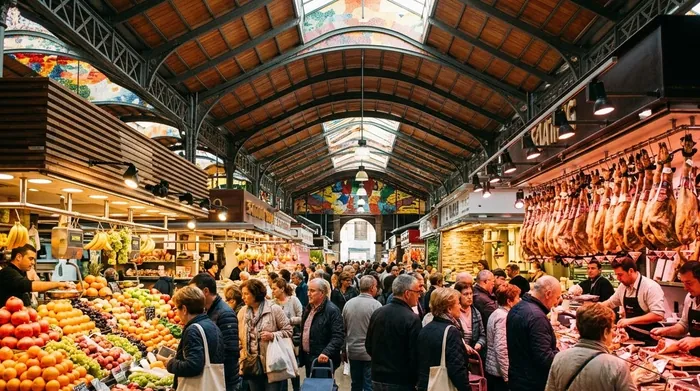
Illustration of a busy covered food market in Barcelona
Illustration of a busy covered food market in BarcelonaAI-generated · GLabs nano_banana_pro · Generated

Day 3: Montjuïc

The hill south of the centre is the half-day most itineraries cut, and it holds the Joan Miró Foundation, the Montjuïc castle and the best free view of the city.
  1. Morning: up by the funicular from Paral·lel metro station, or by the cable car from the harbour.
  2. Late morning: the Joan Miró Foundation, the most rewarding single museum on the hill.
  3. Lunch: back down in Poble-sec, the neighbourhood at the foot of the hill.
  4. Afternoon: the castle and the viewpoints over the port and the city.
  5. Evening: a last dinner in the neighbourhood you liked most on days one and two.
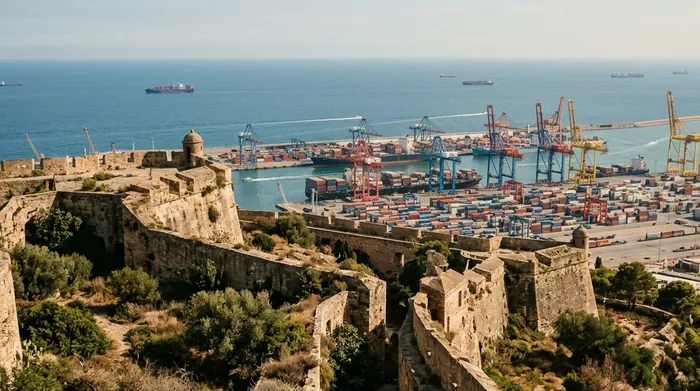
Illustration of hilltop fortress walls above Barcelona's port
Illustration of hilltop fortress walls above Barcelona's portAI-generated · GLabs nano_banana_pro · Generated

Day 4: Montserrat, or another day trip

A fourth day is for leaving the city. Four trips sit within about an hour by train, and Montserrat is the one to choose if you only do one.

Day trips from Barcelona
WhereTravel time, one wayBest for
MontserratAbout 1 hour, plus rack railway or cable carMountain monastery on a serrated rock massif
Girona40 minutes by high-speed trainA small walled city with an intact Jewish quarter
Sitges35 minutes by local trainBeach town; the only one that works as a half day
TarragonaAbout 1 hourRoman amphitheatre above the sea

Leave for Montserrat in the morning and plan to be back for dinner. The train, the rack railway or cable car, and the monastery take the whole day.
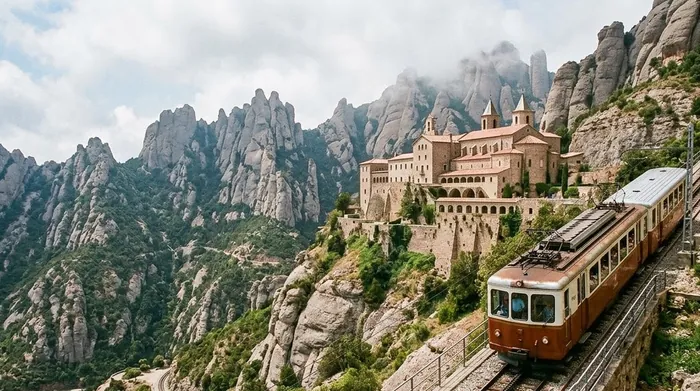
Illustration of a rack railway climbing to a mountain monastery
Illustration of a rack railway climbing to a mountain monasteryAI-generated · GLabs nano_banana_pro · Generated

One day in Barcelona

One day is a stopover, not a visit, but it can hold the two things Barcelona is known for if one of them is booked in advance.

  1. Morning: Sagrada Família at an early slot.
  2. Late morning: Passeig de Gràcia, to see Casa Batlló and La Pedrera from the street.
  3. Lunch: in the Eixample from about 2pm.
  4. Afternoon: the Gothic Quarter and El Born on foot, ending at Santa Maria del Mar.
  5. Evening: dinner in El Born after 9pm.

Park Güell and Montjuïc are what a one-day trip gives up. Both need half a day, and both are a metro ride from everything else.

How the season changes the itinerary

The same itinerary needs different hours in different months. These are the 1981-2010 climate normals for Barcelona Aeropuerto from AEMET, the Spanish state meteorological agency.
  1. July and August average highs of 28.0°C and 28.5°C: book the Gaudí slots for the morning and keep the early afternoon for indoor museums.
  2. August has 3.5 thunderstorm days on average, the joint highest of the year, and they tend to arrive in the afternoon.
  3. September and October are the two wettest months, at 81 mm and 91 mm — keep the Picasso and Miró museums as the rainy-day switch.
  4. June is the month the itinerary above works at full length: a 24.9°C high and only 30 mm of rain.
  5. In winter the days are short, so move Montjuïc’s viewpoints to the early afternoon to catch the light.
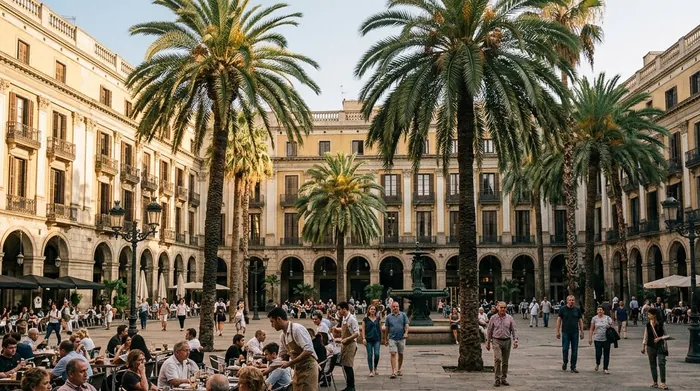
Illustration of a Gothic Quarter square with palm trees in Barcelona
Illustration of a Gothic Quarter square with palm trees in BarcelonaAI-generated · GLabs nano_banana_pro · Generated

Getting between the parts of the itinerary

Barcelona is walkable in the centre and metro-linked at the edges. Knowing which legs to walk saves more time than any shortcut.
  1. Walk: the Gothic Quarter, El Born and the waterfront are one continuous walk.
  2. Walk: Casa Batlló to La Pedrera, five minutes up Passeig de Gràcia.
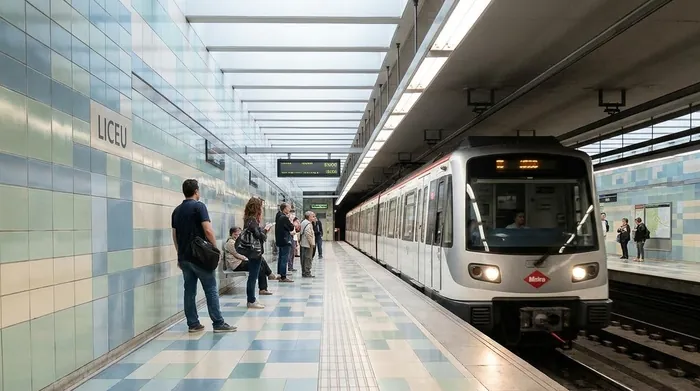
  3. Metro: Sagrada Família to Passeig de Gràcia, and anything to Park Güell, which is on a hill.
  4. Funicular or cable car: up Montjuïc, from Paral·lel or from the harbour.
  5. Train: every day trip in the table above leaves by rail.
Illustration of a train arriving at a Barcelona metro platform
Illustration of a train arriving at a Barcelona metro platformAI-generated · GLabs nano_banana_pro · Generated

What not to build a day around

Common questions

How many days in Barcelona is enough?

Three full days — one for the Gaudí buildings, one for the old city and the waterfront, and one for Montjuïc. Add a fourth for Montserrat. The how-many-days guide sets out what each extra day adds.

What are the must-see things in Barcelona?

Sagrada Família, Park Güell, Casa Batlló or La Pedrera, the Gothic Quarter, Santa Maria del Mar in El Born, and the view from Montjuïc. Montserrat is the day trip most worth the train fare.

What should you avoid in Barcelona?

Lingering on La Rambla, which is the most pickpocketed street in the city; eating at the tourist-priced Boqueria; and turning up at the Gaudí buildings without a timed ticket in summer.

Can you do Barcelona in one day?

You can see Sagrada Família and walk the Gothic Quarter and El Born in one day, provided the Sagrada Família slot is booked. Park Güell and Montjuïc need another day.

What is the best order to see the Gaudí buildings?

Sagrada Família in the morning, then Casa Batlló and La Pedrera on Passeig de Gràcia, and Park Güell in the afternoon. Leave travel time before Park Güell, which sits on the hill above Gràcia.
Where to next