Trips, planned properly
Travel Guide Kit

Spain · Andalusia

Best Time to Visit Seville

By Quyen Lam · Checked September 2026

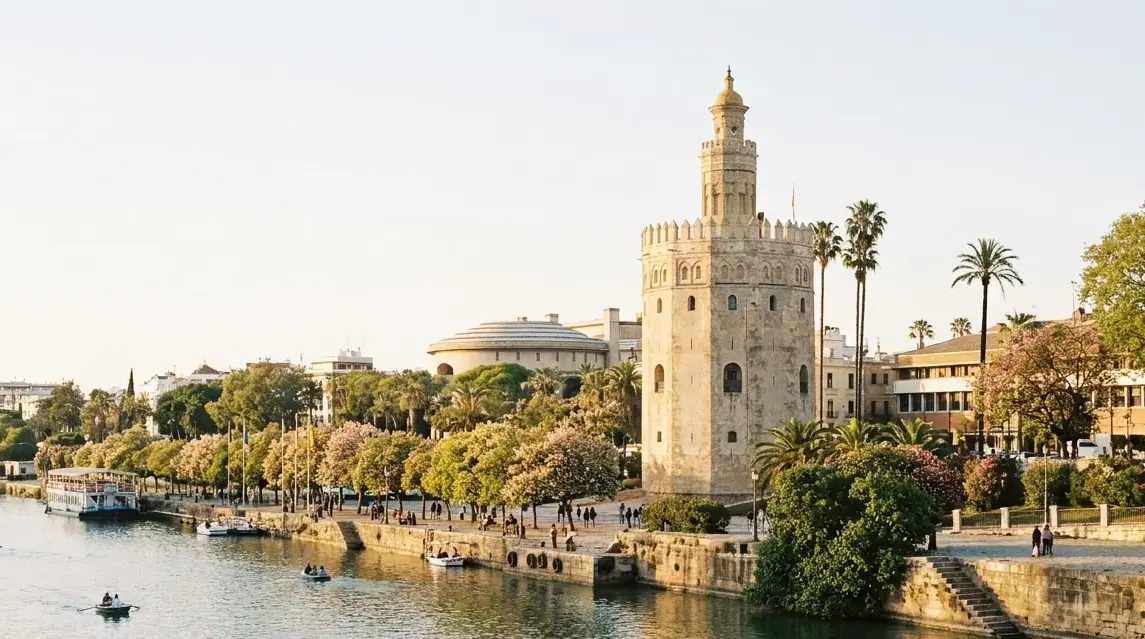
Illustration of Seville's riverside and a golden tower in spring light
AI-generated · GLabs nano_banana_pro · Generated
In short

Go to Seville in May. It averages a 27.2°C high with 30 mm of rain, before the summer heat. March and April are the next best. Avoid July and August unless you can live by the Spanish clock: they average 36.0°C and 35.5°C, and the usual advice to try September still means 31.7°C afternoons.

The short answer: May, then March and April

Seville’s good season is spring, and it ends earlier than in the rest of Spain because the summer arrives early.
  1. May averages a 27.2°C high, a 14.2°C low, 30 mm of rain and 293 hours of sunshine (AEMET, Sevilla Aeropuerto, 1981-2010 normals).
  2. March averages a 21.9°C high and 36 mm of rain — cooler, and dry.
  3. April averages a 23.4°C high but 54 mm of rain and 6.1 rainy days — the wettest of the spring months.
  4. June already reaches a 32.2°C high, so the window closes at the end of May.
  5. Late October, at a 26.0°C high, is the autumn alternative, with more rain: 68 mm.
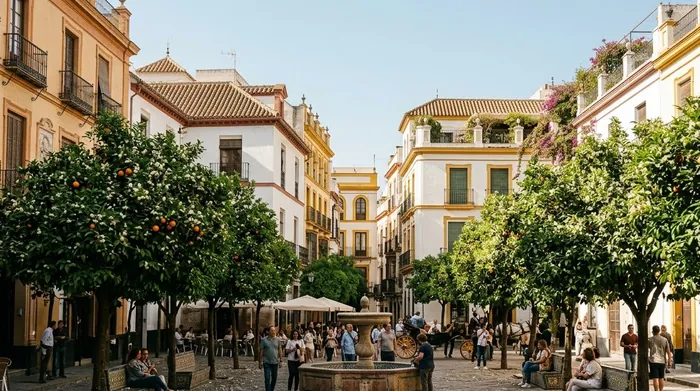
Illustration of orange trees in blossom in a Seville square
Illustration of orange trees in blossom in a Seville squareAI-generated · GLabs nano_banana_pro · Generated

Seville month by month, with the numbers

Every figure below is the 1981-2010 climate normal for Sevilla Aeropuerto, published by AEMET, the Spanish state meteorological agency.

Seville climate normals 1981-2010 — AEMET station 5783, Sevilla Aeropuerto
MonthMean highMean lowRainRainy daysSunshine
January16.0°C5.7°C66 mm6.1183 h
February18.1°C7.0°C50 mm5.8189 h
March21.9°C9.2°C36 mm4.3220 h
April23.4°C11.1°C54 mm6.1238 h
May27.2°C14.2°C30 mm3.7293 h
June32.2°C18.0°C10 mm1.3317 h
July36.0°C20.3°C2 mm0.2354 h
August35.5°C20.4°C5 mm0.5328 h
September31.7°C18.2°C27 mm2.4244 h
October26.0°C14.4°C68 mm6.1216 h
November20.2°C10.0°C91 mm6.4181 h
December16.6°C7.3°C99 mm7.5154 h

Read the temperature column first. Seville’s year is decided by heat more than by rain: from June to September the mean high stays above 31°C.
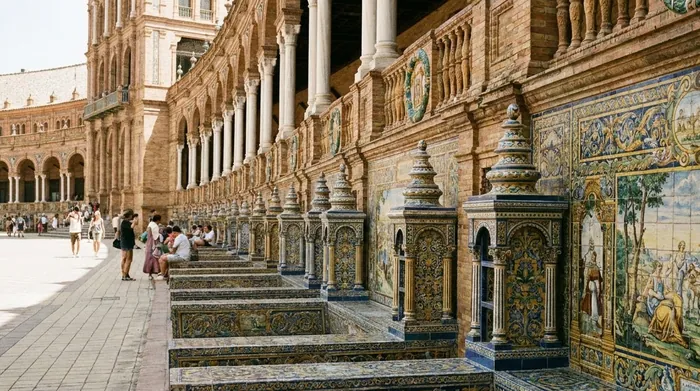
Illustration of painted ceramic bench alcoves in a Seville plaza
Illustration of painted ceramic bench alcoves in a Seville plazaAI-generated · GLabs nano_banana_pro · Generated

July and August: why the afternoons disappear

Seville in summer is not unvisitable, but it is a different trip. The city empties in the afternoon and comes back to life at night.
  1. July averages a 36.0°C high and August 35.5°C — about four degrees above Madrid and eight above Barcelona.
  2. Nights stay near 20°C, so the old buildings do not cool down.
  3. July has almost no rain — 2 mm across the month — and 354 hours of sunshine.
  4. Plan the Alcázar and the cathedral at opening time, rest from about 2pm to 6pm, and go out again in the evening.
  5. Air conditioning in the room is essential, not a luxury.
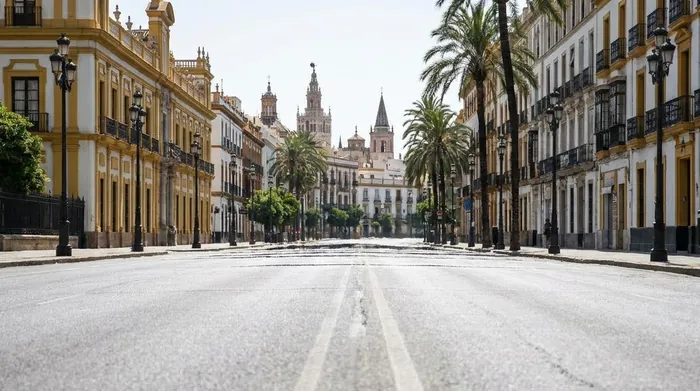
Illustration of heat haze over an empty avenue in Seville
Illustration of heat haze over an empty avenue in SevilleAI-generated · GLabs nano_banana_pro · Generated

September is still summer in Seville

Most guides put early autumn alongside spring as Seville’s best season. The numbers only half agree.
  1. September averages a 31.7°C high — hotter than July in Barcelona.
  2. October is the real autumn window, at a 26.0°C high, but it brings 68 mm of rain and 6.1 rainy days.
  3. November and December are the wettest months of the year, at 91 mm and 99 mm.
  4. For a September trip, use the same summer rhythm: mornings and evenings out, afternoons indoors.
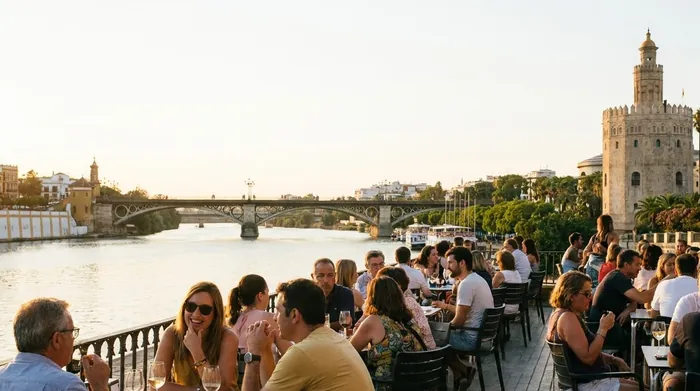
Illustration of people on a riverside terrace in Seville in the evening
Illustration of people on a riverside terrace in Seville in the eveningAI-generated · GLabs nano_banana_pro · Generated

Best time for each kind of Seville trip

  1. Walking the city all day: March, at a 21.9°C high and 36 mm of rain.
  2. The warmest weather that still allows daytime sightseeing: May.
  3. Lowest prices: December to February — mild days of 16-18°C, but the wettest months of the year.
  4. Day trip to Córdoba: March to May, before Córdoba’s summer heat.
  5. Evenings outdoors: late May and June, when nights are warm and the days not yet at their peak.
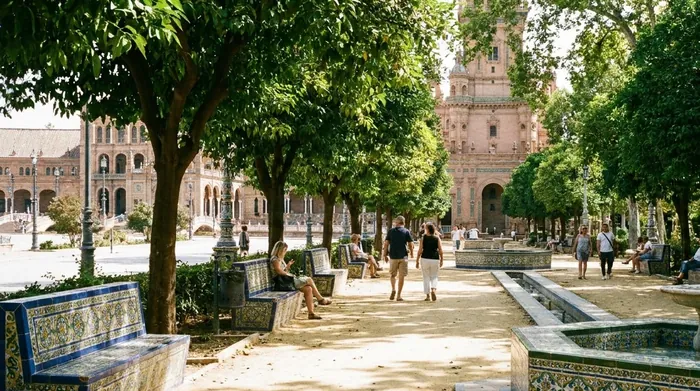
Illustration of a shaded park path with tiled benches in Seville
Illustration of a shaded park path with tiled benches in SevilleAI-generated · GLabs nano_banana_pro · Generated

What the calendar does to Seville

Spring is Seville’s best weather and also its busiest festival season, which fills the city and its hotels.
  1. Holy Week moves between late March and late April with Easter, and it is the busiest week of the Seville year.
  2. The city’s spring fair follows Easter by a couple of weeks and fills the hotels again.
  3. Check the dates of both before booking a spring trip: they can double the price of the same room.
  4. August is quieter, because of the heat, and some independent restaurants close.
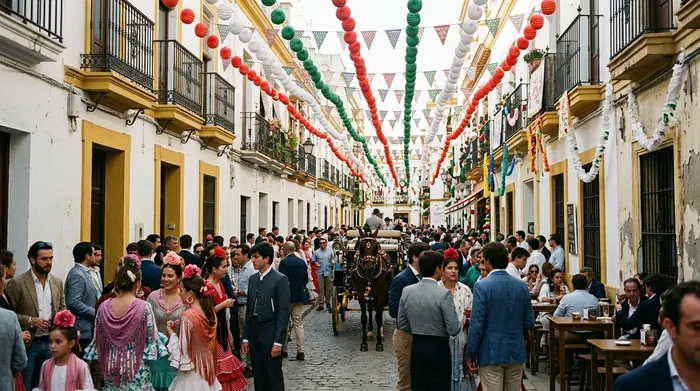
Illustration of a crowded festival street with lanterns in Seville
Illustration of a crowded festival street with lanterns in SevilleAI-generated · GLabs nano_banana_pro · Generated
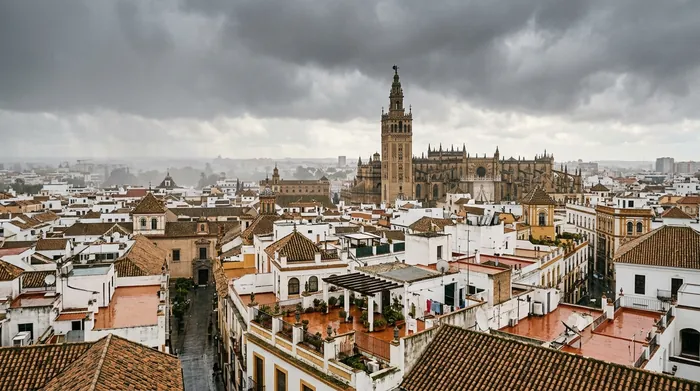
Illustration of Seville rooftops under winter rain clouds
Illustration of Seville rooftops under winter rain cloudsAI-generated · GLabs nano_banana_pro · Generated

When not to book

Common questions

What is the best month to go to Seville?

May: a 27.2°C mean high, 30 mm of rain and 293 hours of sunshine (AEMET 1981-2010 normals). March and April are next best.

Is Seville too hot in summer?

For daytime sightseeing, yes. July averages a 36.0°C high and August 35.5°C. The city works in summer if you go out early and late and rest in the afternoon.

How many days do you need in Seville?

Three days, and a fourth for Córdoba. In July and August add a day, because the afternoons are lost to the heat.

Which is better, Malaga or Seville?

Seville for monuments and atmosphere; Málaga for the beach and a milder summer — a 30.5°C July high against Seville’s 36.0°C (AEMET 1981-2010). They are close enough to combine.
Where to next