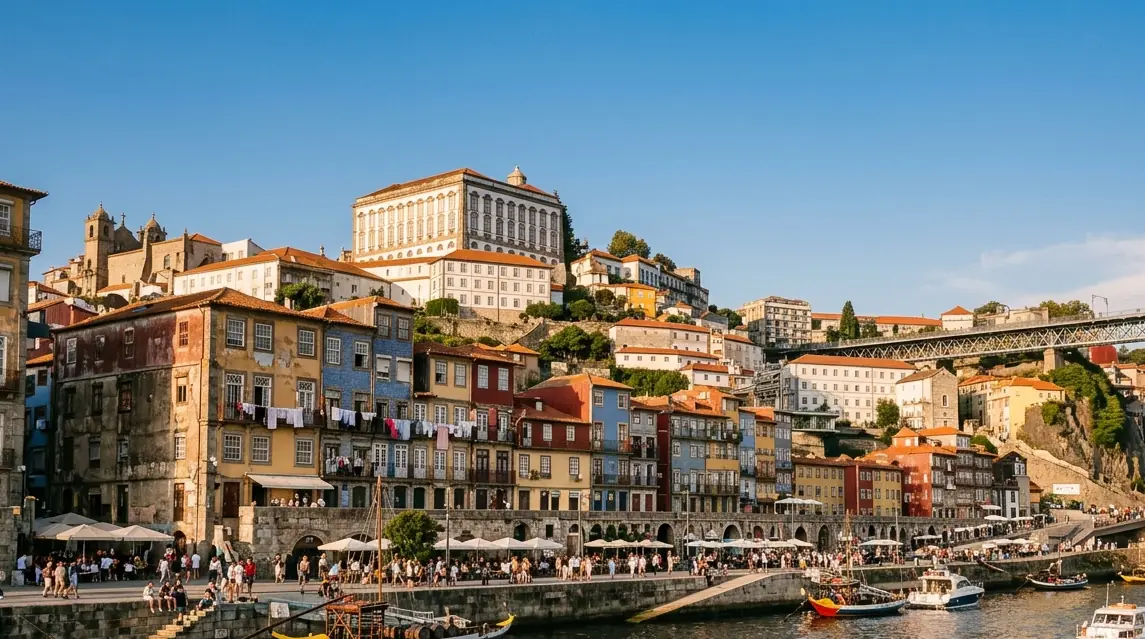
Go to Porto between June and September. Highs run 22.7-24.8°C, the city gets its four driest months, and summer stays mild — August averages just 3.5 days above 30°C. Avoid October to March if the weather matters: each of those months averages more than 95 mm of rain, and November is wettest at 165.9 mm.
Porto’s best season is its summer, which is unusual in Iberia. Where Seville and Madrid are at their hottest in July and August, Porto sits on the Atlantic and stays mild.
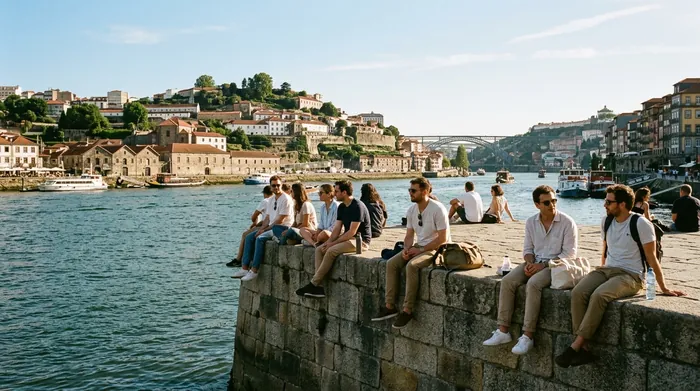
Of the four, June and early September are the best balance of weather and crowds. July and August are driest and warmest, and busiest.
These are the 1991-2020 climate normals for Porto / Pedras Rubras, published by IPMA, the Portuguese meteorological institute. "Warm days" counts days reaching 25°C; "hot days" counts days reaching 30°C.
| Month | Mean high | Mean low | Rain | Warm days | Hot days |
|---|---|---|---|---|---|
| January | 14.0°C | 6.4°C | 151.0 mm | 0.0 | 0.0 |
| February | 15.0°C | 6.8°C | 97.8 mm | 0.0 | 0.0 |
| March | 17.0°C | 8.8°C | 101.1 mm | 1.2 | 0.0 |
| April | 18.1°C | 10.1°C | 95.5 mm | 2.0 | 0.1 |
| May | 20.3°C | 12.3°C | 85.6 mm | 4.4 | 1.1 |
| June | 22.7°C | 14.5°C | 33.7 mm | 6.7 | 2.5 |
| July | 24.3°C | 15.5°C | 16.6 mm | 9.4 | 3.1 |
| August | 24.8°C | 15.7°C | 29.3 mm | 10.6 | 3.5 |
| September | 23.5°C | 14.8°C | 68.2 mm | 8.3 | 2.2 |
| October | 20.7°C | 12.9°C | 148.9 mm | 4.3 | 0.4 |
| November | 16.8°C | 9.4°C | 165.9 mm | 0.0 | 0.0 |
| December | 14.7°C | 7.6°C | 153.3 mm | 0.0 | 0.0 |
Read the rain column first. Porto’s year splits cleanly into a dry summer from June to September and a long wet season from October to April.
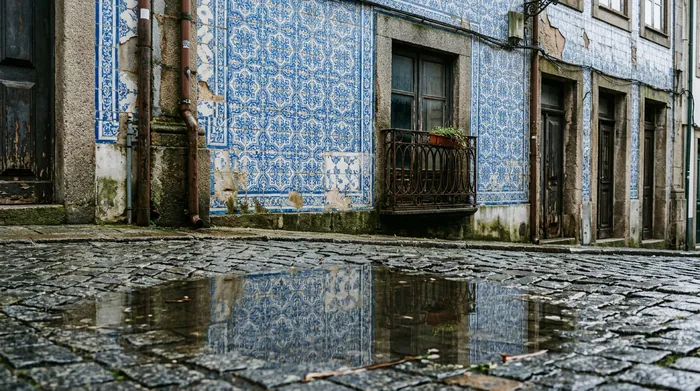
Porto receives 1,146.9 mm of rain a year, and almost all of it falls between October and April. This is the single biggest difference between Porto and Lisbon.
A winter trip still works, because Porto’s best half-day is indoors: the port lodges across the river in Gaia. Plan the old city for the dry spells and keep the lodges for the rain.

When the rest of Iberia is at its hottest, Porto is at its best. That makes it a good anchor for a July or August trip that would be hard work further south.
| City | August mean high | Days ≥30°C |
|---|---|---|
| Porto | 24.8°C | 3.5 |
| Lisbon | 28.8°C | 10.2 |
Figures are IPMA 1991-2020 normals. For comparison, AEMET 1981-2010 normals put Seville’s August mean high at 35.5°C and Madrid’s at 31.3°C.
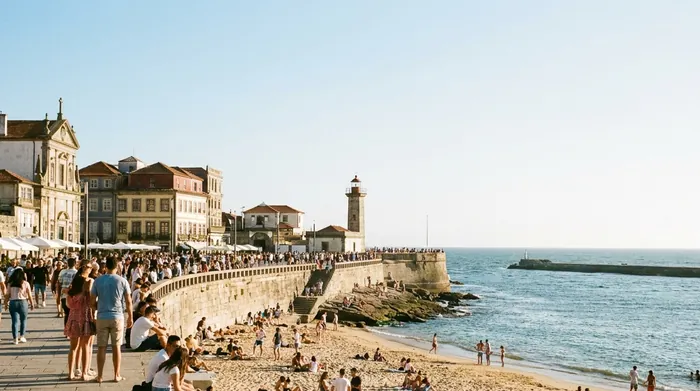
The right month depends on what the trip is for. These windows follow the IPMA normals.
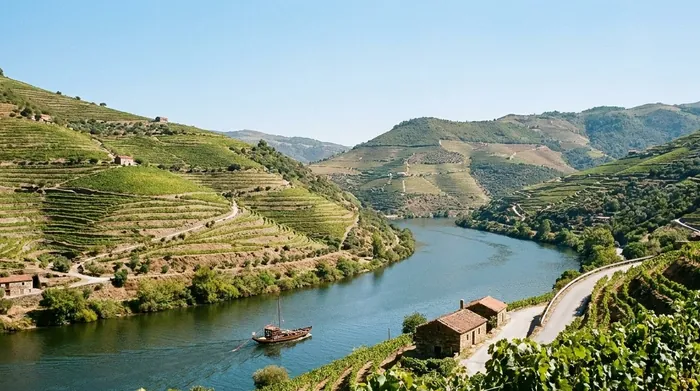
Weather is half of when to go. The other half is when the city is busiest.
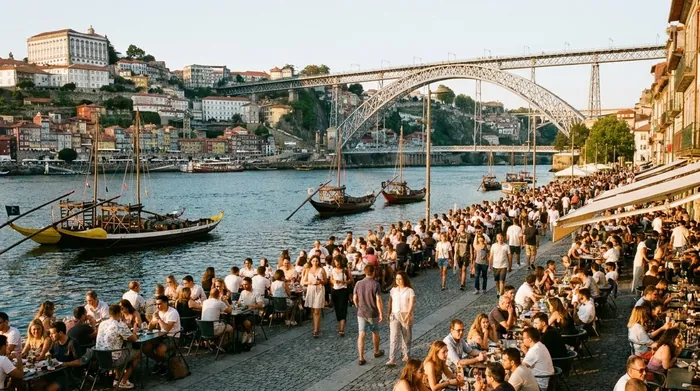
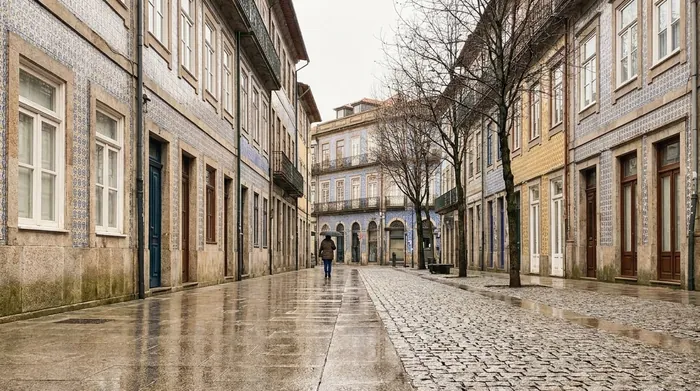
June. It averages a 22.7°C high with 33.7 mm of rain (IPMA 1991-2020 normals), before the busiest weeks of July and August. July is driest, at 16.6 mm.
October to April. November is wettest at 165.9 mm, and every month from October to March averages more than 95 mm. Porto receives 1,146.9 mm a year in total.
Not if the fourth day is the Douro valley by train. Three days covers the city on both banks of the river; four days in the city alone is more than most people need.
They suit different trips. Lisbon is larger with more day trips nearby; Porto is more compact and much milder in summer — 3.5 days above 30°C in August, against 10.2 in Lisbon (IPMA 1991-2020 normals).
It is quiet and cheaper, but wet: every month from October to March averages more than 95 mm of rain. Build the trip around the port lodges and the indoor sights.
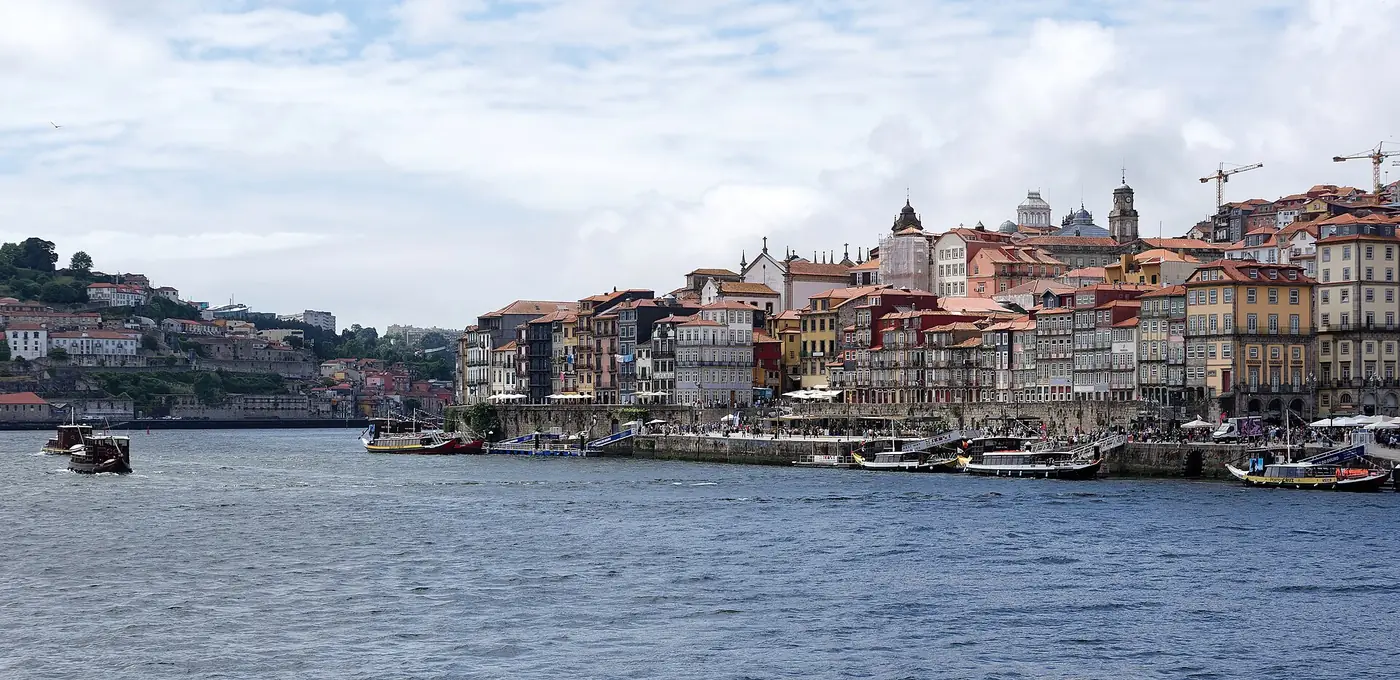 Things to Do in PortoThe main guide — how long to stay and what is worth the time.
 Where to Stay in PortoWhich part of Porto to sleep in, and who each area suits.How Many Days in Porto?How long you actually need in Porto, and what fits in each extra day.Is Porto Worth Visiting?An honest answer, and who Porto suits least.