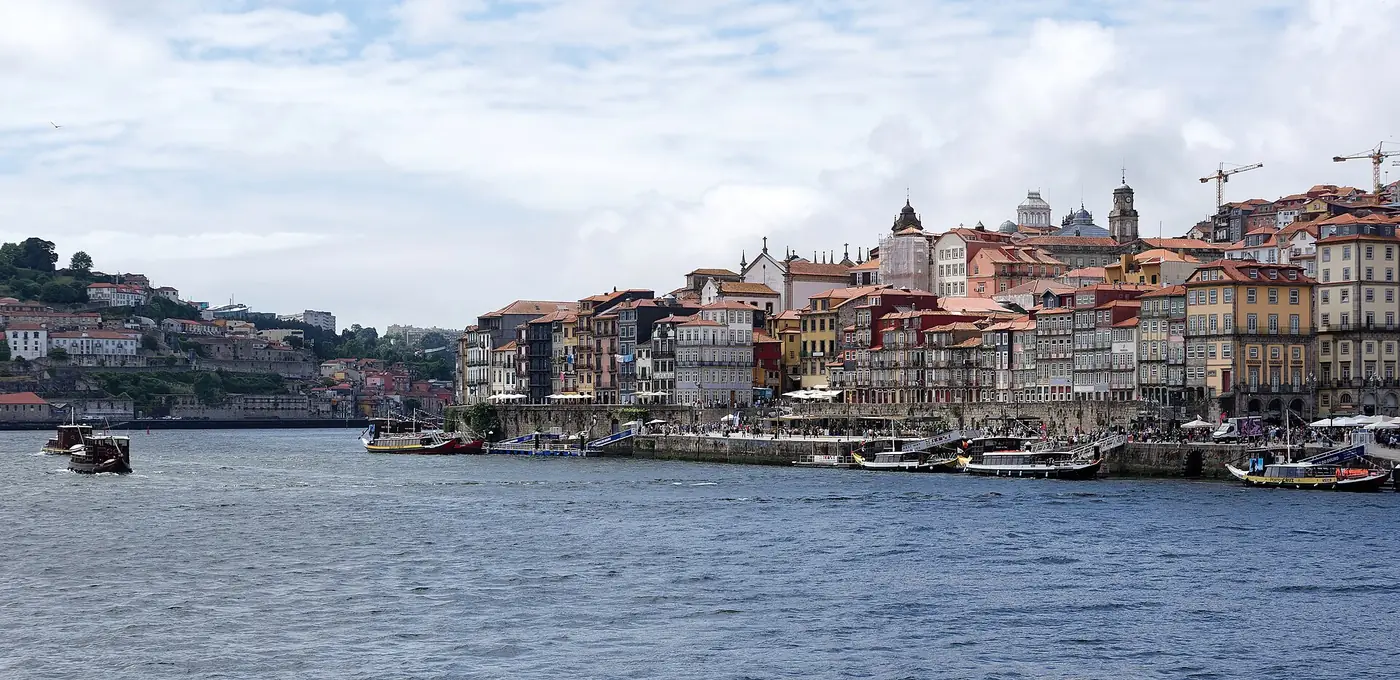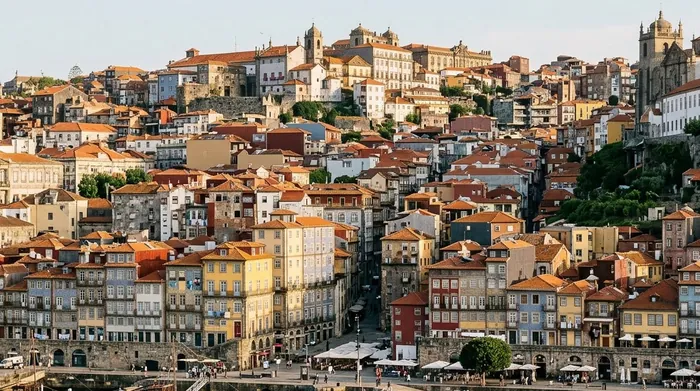
Three full days is right for Porto, and four with the Douro valley. Give one day to the old city on the north bank, one to Gaia and its port lodges on the south, and one to the river mouth at Foz or a slower look at the city. The fourth day is the train up the Douro, which needs the whole day.
Porto is smaller than Lisbon and more compact, but it is steep, and it is split in two by the river. Three days is the length at which both banks get a proper look without climbing the same hill twice.
| Days | What fits | What you cut |
|---|---|---|
| 1 day | The old city and the Dom Luís I bridge | Gaia and the port lodges |
| 2 days | The old city; Gaia and one or two port lodges | Foz, the Douro valley |
| 3 days | Both banks, and Foz or a slow day | The Douro valley |
| 4 days | The three days above, plus the Douro valley | Guimarães and Braga |
| 5 days | Four days plus Guimarães or Braga as a half day | Nothing essential |
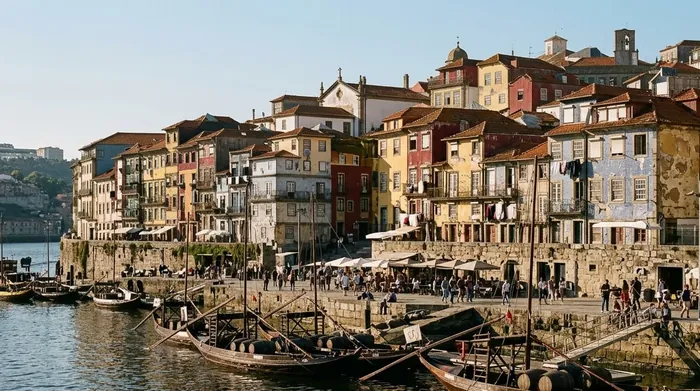
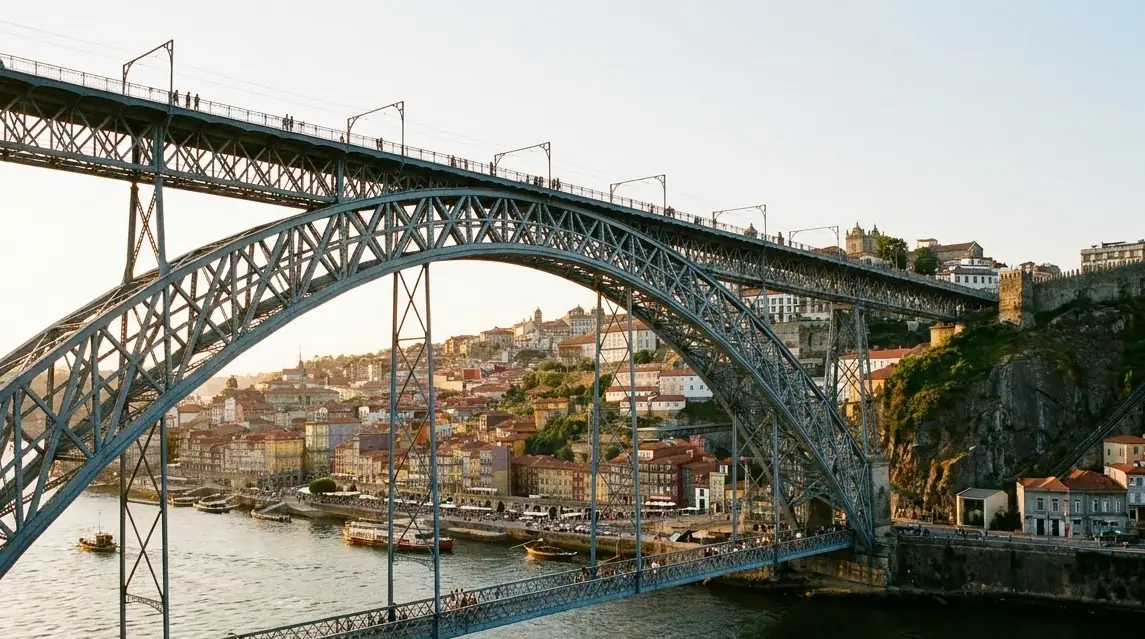
The old city sits on the north bank of the Douro, falling steeply to the Ribeira waterfront. The port lodges sit on the south bank in Vila Nova de Gaia, a separate municipality. The Dom Luís I bridge links them on two decks.
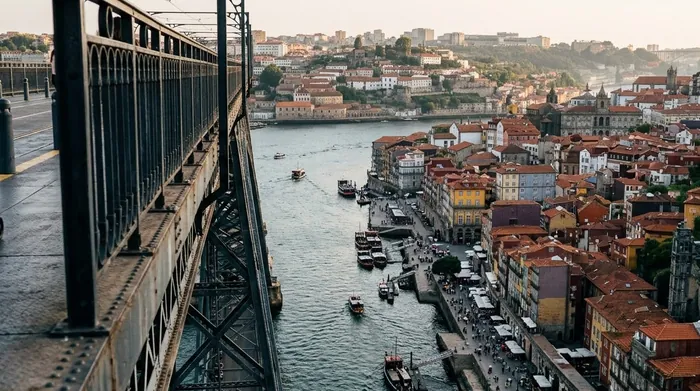
Porto is built on a slope that falls straight into the river, and the distance on the map tells you little about the effort. Start each day high and walk down.
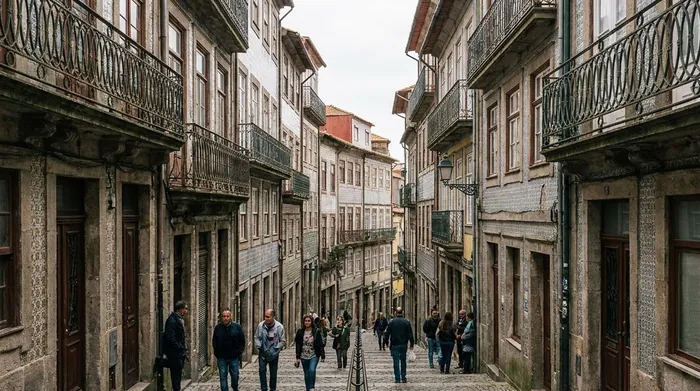
Two days is enough to see Porto, and it is the length most people give it on a route that also includes Lisbon. It is not enough for the Douro valley.

The Douro valley is where the port is made, and the train along the river is the point of the trip, not just the transport. It needs a full day.
| Where | One way | What it needs |
|---|---|---|
| Douro valley (Peso da Régua) | 2 hours by train | A full day. The train hugs the river for the last hour |
| Pinhão | 2.5 hours by train | A full day. Smaller, deeper into the terraces |
| Guimarães | 1 hour by train | A half day. The castle where Portugal began |
| Braga | 1 hour by train | A half day. Churches, and the stairway at Bom Jesus |
Sit on the right leaving Porto — the line runs beside the water for the last stretch and the view is on that side.
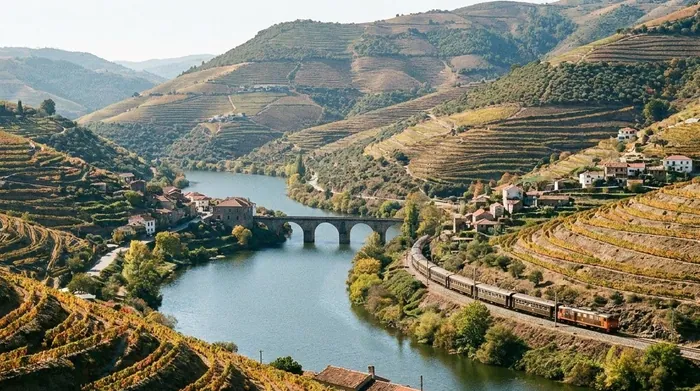
Most people asking how long to spend in Porto are deciding how to share a week with Lisbon. Lisbon usually gets the larger share.
| Total trip | Porto | Lisbon |
|---|---|---|
| 5 days | 2 | 3 |
| 7 days | 3 | 4, with Sintra |
| 10 days | 4, with the Douro valley | 4, with Sintra, plus 2 elsewhere |
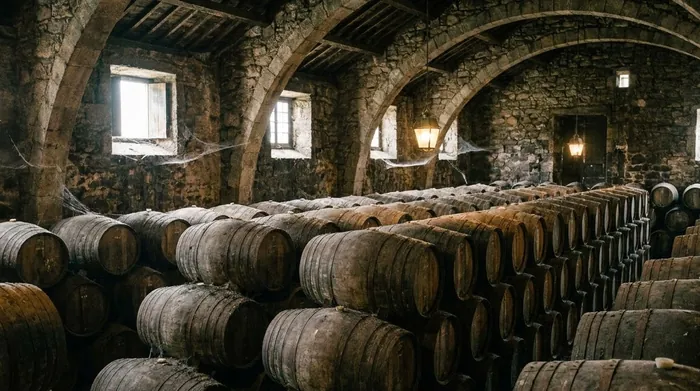
Porto is a wet city by Iberian standards. These are the 1991-2020 climate normals for Porto / Pedras Rubras from IPMA, the Portuguese meteorological institute.

Two days covers the old city on the north bank and an afternoon of port lodges in Gaia on the south. It is not enough for the Douro valley, which needs a full day of its own.
No. Three days is the length at which both banks of the river get a proper look, with a third day for Foz or a slower pace. Four days makes sense only with the Douro valley.
Lisbon, usually by a day: it is larger and has more day trips within an hour. On a week in Portugal, three days in Porto and four in Lisbon with Sintra is a well-paced split.
Stay in Porto and do the valley as a day trip by train unless you want more than one day among the vineyards. The train to Peso da Régua takes about two hours.
Four: three for the city and one full day for the valley, going by train along the river.
June to September, when highs average 22.7-24.8°C and rainfall is lowest (IPMA 1991-2020 normals). October to March are wet.