Quick answer
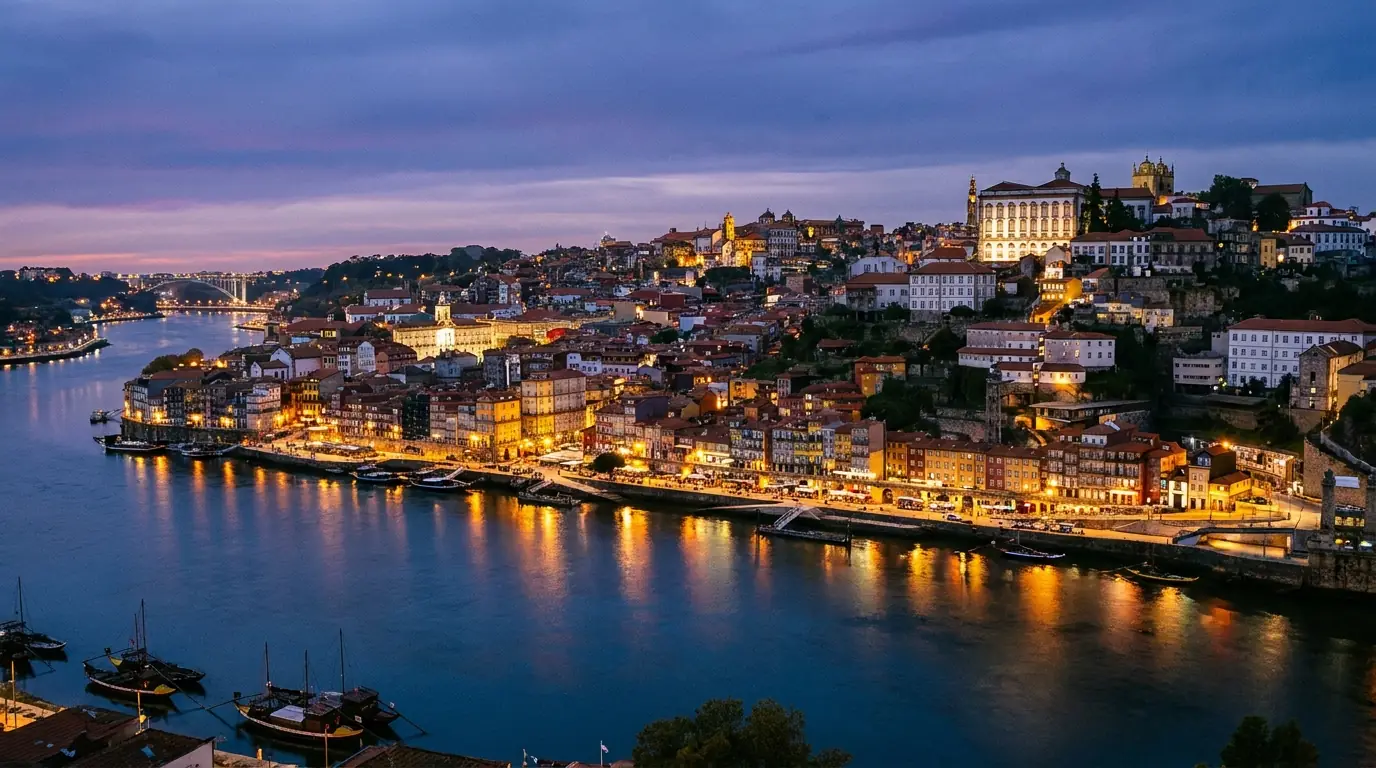
Porto is worth visiting for three days, or four with the Douro valley, especially for travellers who like compact old cities, river views and port wine.
In short
- Porto suits people with limited mobility least: the old city falls steeply to the river, and the granite streets are slippery when wet.
- Porto is least worth it between October and March, when every month averages more than 95 mm of rain.
- Porto is the better choice than Lisbon for a July or August trip: August averages 3.5 days above 30°C in Porto, against 10.2 in Lisbon.
Yes, Porto is worth 3 days, and 4 with the Douro valley. It is compact, it faces its river from both banks, and its summers are mild: August averages 3.5 days above 30°C, against 10.2 in Lisbon. It suits least those who cannot manage steep streets, since the granite is slippery when wet, and it is least worth it from October to March, when every month averages more than 95 mm of rain.
The reasons to go come first, then the downsides, safety, and who should not go.
Worth it, or think twice
Porto rewards some trips and punishes others, and the table sets the two against each other.
Porto is small enough that the left column decides the trip: one that matches most of it will find Porto one of the easiest cities in Europe for three days; a trip that matches the right column can still work, but needs taxis for the climbs, indoor plans for rain and a day trip to stretch it.
Is Porto worth it for a weekend?
Porto is worth it for a weekend, because its two halves fit two days neatly. Give the first day to the old city on the north bank, from São Bento down to the Ribeira, and the second to Gaia’s port lodges, the bridge and sunset at the Jardim do Morro.
A weekend leaves out Foz, Serralves and the Douro valley, which is the cost. It is still one of the easier city breaks in Europe, since almost nothing needs a car and most of the walking runs downhill.
8 reasons Porto is worth visiting
1. It is compact
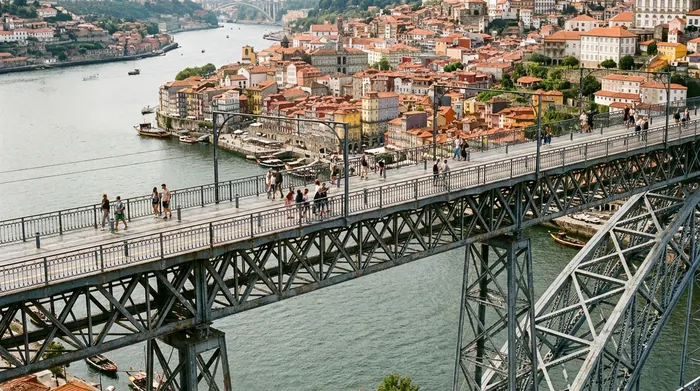
The old city on the north bank and the port lodges in Gaia on the south are a bridge apart, so three days covers both banks without hurrying. Almost nothing needs a car, and most of the walking runs downhill if each day starts at the top of the old city.
2. One river, two banks, and a bridge with two decks
The Dom Luís I bridge gives two views of the same river: the upper deck at the height of the cathedral, the lower deck at water level. Crossing it both ways is free, and sunset from the Jardim do Morro, at the Gaia end, is the classic view back over the city.
3. Port wine, across the river in Gaia
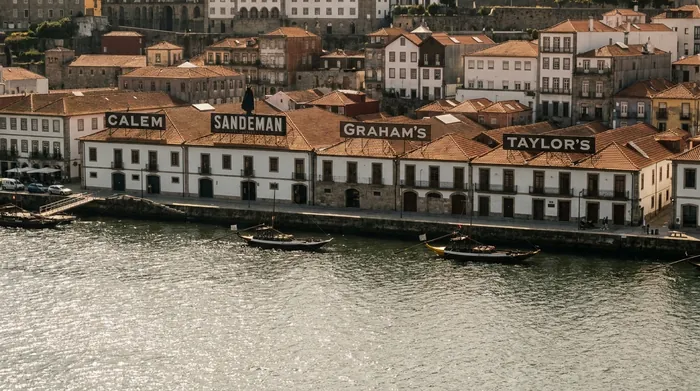
The port lodges in Vila Nova de Gaia are the most organised half-day in Porto, with tours of about an hour. The big houses run scheduled tours, and smaller ones take walk-ins more readily.
4. Tiles you can see for free
The entrance hall of São Bento station is free because it is a working station, and the tiled façades of Capela das Almas and Igreja do Carmo are outdoors and take five minutes.
5. Milder summers than Lisbon
August averages a 24.8°C high in Porto against 28.8°C in Lisbon (IPMA 1991-2020), and 3.5 days above 30°C against 10.2. Long walking days stay comfortable in July and August.
6. It is cheaper to eat well
Weekday set lunches in the neighbourhood restaurants, a francesinha, the city’s heavy meat-and-cheese sandwich, and grilled fish in Matosinhos cost less than similar meals in Lisbon, and the portions are generous.
7. The sea is a tram ride away
The historic Tram 1 runs along the river from the Ribeira to Foz, where the Douro meets the Atlantic, for €5 a ride. The promenade and rock pools there are a free half day.
8. The Douro valley train
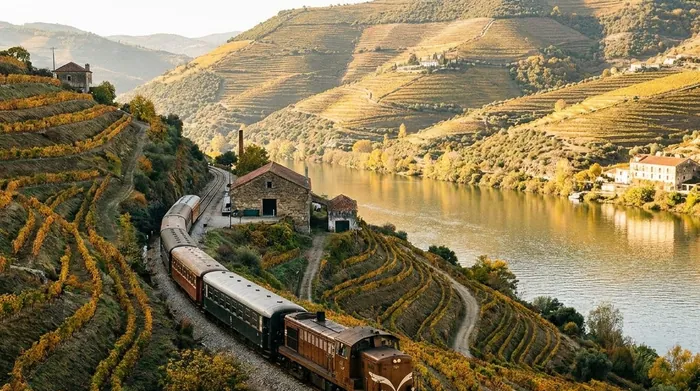
The train up the Douro valley, where the line runs beside the water, is one of the most scenic rail journeys in the country, and it gives a fourth day a different landscape.
5 reasons Porto may disappoint
The downsides are predictable, and they come from treating the city as flat or as dry.
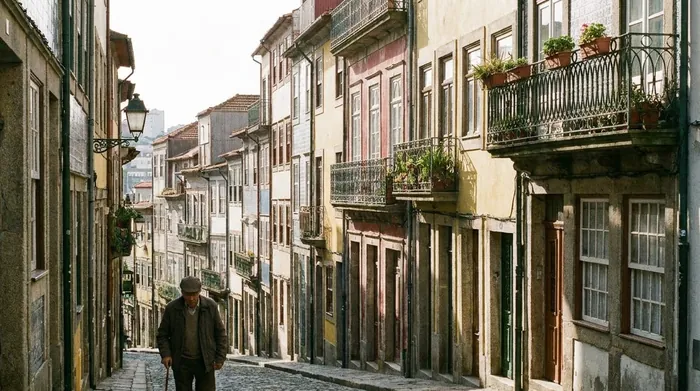
- The slope. The walk from the Ribeira up to the cathedral is a climb, not a stroll.
- The rain. Porto receives 1,146.9 mm a year, about one and a half times Lisbon, and November averages 165.9 mm.
- Livraria Lello. It charges admission, the queue is often round the corner, and inside is a room the size of a large living room.
- The geography of port. The cellars are not in Porto but across the river in Gaia, a separate municipality.
- The size. Three days covers it; a week in the city alone will repeat itself.
Crowds are concentrated rather than general. The Ribeira waterfront, the lower deck of the bridge and the queue at Livraria Lello are busy from late morning in summer; the streets around Cedofeita, Bonfim and the Bolhão market, ten minutes away, are not. The waterfront restaurants are priced for the view.
How to handle the slope
Porto has the transport to soften the slope. The Guindais funicular climbs from the Ribeira to Batalha, the metro crosses the upper deck of the bridge, and a cable car drops from the Jardim do Morro to the Gaia waterfront.
Use the rides for every climb and walk only downhill. Shoes with grip matter, because the granite is slippery when wet, and a short taxi ride back to a hotel at the top of the old city ends most evenings better than the stairways.
Is Porto safe?
The UK Foreign, Commonwealth and Development Office’s travel advice for Portugal, last updated on 11 August 2026 and read on 29 October 2026, does not single out Porto. It advises being alert to street crime and taking care on public transport and at crowded bus and tram stops, because thieves use distraction techniques and often work in teams.
It also says that attacks, including sexual assaults, are rare but do occur, with the risk highest late at night around popular nightlife locations. In an emergency, call 112. In Porto, the crowded places are Tram 1, the metro, and the Ribeira waterfront and lower deck of the bridge from late morning in summer, so keep valuables split up and close there.
Porto or Lisbon?
Both cities are worth visiting, and with a week the useful question is how to share it between them.
| Porto | Lisbon | |
|---|---|---|
| Days needed | 3, or 4 with the Douro | 3, or 4 with Sintra |
| August mean high | 24.8°C | 28.8°C |
| Rain per year | 1,146.9 mm | 793.5 mm |
| Best months | June to September | June and September |
| Best day trip | Douro valley, 2 hours by train | Sintra, 40 min by train |
Figures are IPMA 1991-2020 climate normals. With a week, three days in Porto and four in Lisbon is a well-paced split.
The two cities are about three hours apart by train, which makes a split easy.
Start in Porto if you arrive in the north and want the milder city first; end in Lisbon if your flight home leaves from there and you want Sintra as the last day. Read whether Lisbon is worth visiting for the other half of the comparison.
For the full comparison, from weather to food and day trips, read Lisbon vs Porto.
What Lisbon does better than Porto
Lisbon does some things better than Porto, and they matter for longer trips. It is larger and spread across more hills, so it fills a week with less repetition, and Sintra’s palaces are about forty minutes away by train.
It is also drier: Lisbon receives 793.5 mm of rain a year against 1,146.9 mm in Porto, according to IPMA’s 1991-2020 normals. For a spring or autumn trip with walking at its heart, that difference counts.
A week split between Porto and Lisbon
A week split between the two works best with the train in the middle of it. The cities are about three hours apart, so the transfer takes a morning rather than a day.
- Days 1 to 3: Porto — the old city, then Gaia and the bridge, then Foz or Serralves.
- Day 4: the morning train to Lisbon, and Alfama or Baixa in the afternoon.
- Days 5 and 6: Lisbon — the castle and Alfama, then Belém.
- Day 7: Sintra, a full day with timed tickets booked ahead.
Swap the order if your flight home leaves from Porto. Either way, the Douro valley is the day to drop first if the week feels full, since it needs a full day of its own.
What to see first
The reasons above double as a shortlist: the upper deck of the Dom Luís I bridge, a port lodge in Gaia, São Bento’s tiled hall, sunset from the Jardim do Morro and the Douro train. With extra time, add Tram 1 to Foz, Serralves, a guided tour of Casa da Música, the Bolhão market and a short river cruise.

For the full numbered list, see things to do in Porto; for the order, Porto in 3 days.
How to make Porto worth it
Timing and slope cause most of the disappointments above, so plan the days around them.
- Travel between June and September if the dates are flexible.
- Start each day at the top of the old city and walk down to the river.
- Put Gaia on its own afternoon rather than crossing the bridge back and forth.
- Skip Livraria Lello if the queue is round the corner; the tiled façades of Capela das Almas and Igreja do Carmo are free.
- Give the Douro valley a full day, or leave it out.


Choose the base with the slope in mind. Staying near São Bento, Aliados or the Clérigos puts you at the top of the old city, so each evening ends with a walk downhill or a short ride rather than a climb. Where to stay in Porto compares the areas.
What to book before you go
Little needs booking, which is part of what makes the city easy. The big port houses run scheduled tours, and the popular slots go in advance in season; smaller houses take walk-ins more readily.
Book accommodation early for summer, when the city is at its best and busiest. Most other sights, from São Bento to the bridge and the tiled churches, need no ticket at all.
Is Porto worth it for families, couples and solo travellers?
Each kind of trip gets a slightly different Porto.
- Couples: sunsets from the Jardim do Morro, port tastings in Gaia and a river cruise make Porto an easy romantic city break.
- Families: the cable car in Gaia, Tram 1 to Foz and the beach at Matosinhos work well; pushchairs on the granite slopes do not, so bring a carrier for small children.
- Solo travellers: the centre is compact, safe-feeling and easy to walk, and eating alone at a café counter is normal.
- Older travellers: worth it with a base near the top of the old city, the Guindais funicular and taxis for the climbs.
Is Porto worth it on a budget?
Porto is worth it on a budget, because many of its best sights cost nothing. The tiled hall of São Bento, the façades of Capela das Almas and Igreja do Carmo, both decks of the bridge and sunset at the Jardim do Morro are all free.
Weekday set lunches are the best-value meals in the city, and the Foz promenade and rock pools are a free half day. The paid things worth keeping are one port lodge tour and the Douro train; drop Livraria Lello.
Who should not go
- Travellers with limited mobility who need step-free routes. The old city falls steeply to the river, and the granite streets are slippery when wet.
- Anyone planning a winter trip around walking. Every month from October to March averages more than 95 mm of rain.
- Visitors who want a week of city sightseeing. Three days covers Porto; the rest of a week is better spent in the Douro valley or in Lisbon.
- A trip built around Livraria Lello. It is a ticketed queue for a single room.
Who will find Porto easiest
Porto is easiest for travellers who are happy on foot, start their days early and like a small city with a clear centre. Three days lets them cover both banks without hurrying, and the Douro valley gives a fourth day with a different landscape.
First-time visitors to Portugal who want a gentler start than Lisbon also do well here, especially in summer: August averages a 24.8°C high in Porto, against 28.8°C in Lisbon, so long walking days stay comfortable.
Where to stay in Porto
If you go, which part of town you sleep in decides how much you see on foot. The map shows the same property across Booking.com and Agoda, with prices live from them.
Common questions
Is Porto worth visiting?
Yes, Porto is worth visiting for three days, and four with the Douro valley. It is compact, faces its river from both banks and has mild summers, with August averaging a 24.8°C high. It is least worth it from October to March, when every month averages more than 95 mm of rain.
How many days is enough to visit Porto?
Three days is enough to visit Porto: one for the old city and São Bento station, one for Gaia and the port lodges, and one for Foz, Serralves or a river cruise. Add a fourth day for the Douro valley by train, which needs a full day and is where port wine is actually made.
What are the top five things to do in Porto?
The top five things to do in Porto are crossing the Dom Luís I bridge on the upper deck, touring a port lodge in Vila Nova de Gaia, seeing the tiled hall of São Bento station, watching sunset from the Jardim do Morro, and taking the train up the Douro valley, sitting on the right leaving Porto.
Is Porto worth visiting in winter?
Porto is worth visiting in winter for a quiet, cheaper trip built around the port lodges, the museums and the cafés. It is not the season for walking: every month from October to March averages more than 95 mm of rain, and November about 166 mm. Pack a rain jacket and shoes with grip for the granite.
Opens a price map of Porto. We may earn a commission if you book, at no extra cost to you.
Where to next
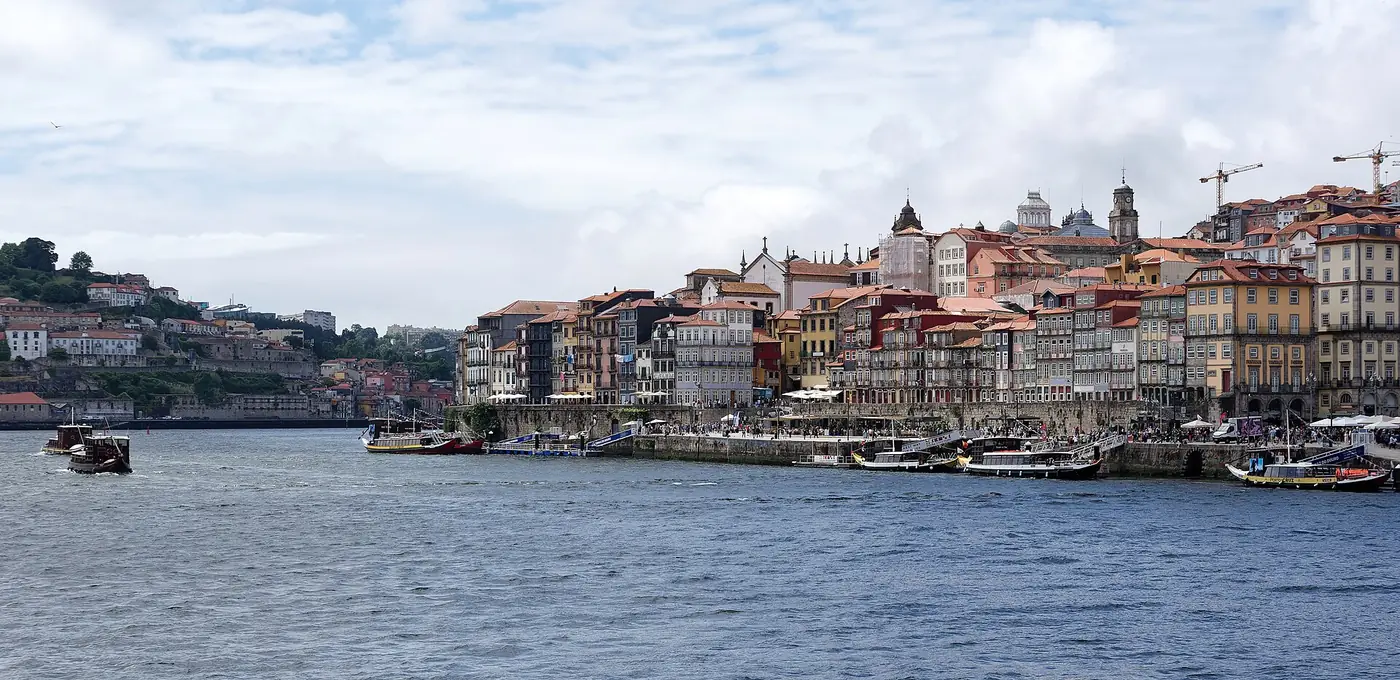
Things to Do in Porto
The main guide: the best things to do on both banks.
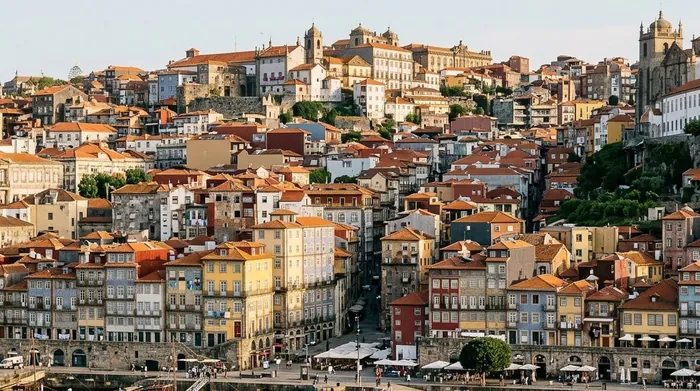
Porto in 3 Days
A three-day plan for Porto that does not sprint.
Porto Itinerary
Day-by-day plans for Porto, from one day to a full week.
Best Time to Visit Porto
When to go to Porto, month by month.
Keep planning Porto
Written and checked by
Travel Guide Kit Editorial
An editorial desk, not an invented persona. Every opening time, ticket price and transport connection here is checked against the operator’s own website and carries the date it was read. Where a page cannot draw on direct experience, it says so.