Quick answer: where to stay in Madrid
Centro or Sol is the default first-time base — everything walkable, at the cost of constant noise.
In short
- Centro, around Sol and Plaza Mayor, is the default first-visit base: everything walkable, at the cost of noise.
- The Barrio de las Letras is the best base for the Prado, the Reina Sofía and the Thyssen.
- Malasaña and La Latina have the best food per step; Salamanca and Chamberí are the quiet choices.
- Madrid has no tourist tax, and the airport bus costs €5.10.
Stay in Centro or around Sol on a first visit to Madrid: the old town, the Royal Palace and the Prado are all within about 15 minutes on foot, and 3 metro lines meet under Sol. Malasaña has the best food per step, the Barrio de las Letras is closest to the museums, and Salamanca, 20 minutes away, is where to go for quiet. Wherever you stay, avoid a street-facing room on Gran Vía.
The areas compared
| Area | Best for | Walk to Sol | At night | Nearest metro | Book |
|---|---|---|---|---|---|
| Centro: Sol and Plaza Mayor | a first visit | You are in it | Loud | Sol, Ópera | Hotels |
| Barrio de las Letras | the museums | 5–10 min | Medium | Antón Martín, Sevilla | Hotels |
| Paseo del Prado and Retiro | museums, day trips | 15 min | Quiet | Atocha, Banco de España | Hotels |
| Malasaña | eating and drinking | 10 min | Medium to loud | Tribunal, Noviciado | Hotels |
| Chueca | nightlife, Pride | 10 min | Loud at weekends | Chueca | Hotels |
| La Latina | tapas, the Rastro | 10 min | Loud at weekends | La Latina | Hotels |
| Lavapiés | budget, local life | 10–15 min | Medium | Lavapiés | Hotels |
| Salamanca | a quiet stay, shopping | 20 min | Quiet | Serrano, Velázquez | Hotels |
| Chamberí | living like a local | 20–25 min | Quiet | Bilbao, Iglesia | Hotels |
Centro: Sol, Plaza Mayor and the Austrias
Centro, around Puerta del Sol and Plaza Mayor, is the first-visit base because everything is within walking distance. Sol is the hub of the city, with metro lines 1, 2 and 3 and a commuter-train station beneath it. To the west, the Madrid de los Austrias leads past Plaza Mayor to the Royal Palace and the Almudena cathedral.
The trade is noise and crowds. Sol is busy at every hour, and the streets around it hold the restaurants with photographs on the menu. A side street between Plaza Mayor and Ópera, or around Plaza de Oriente, keeps the walk to everything while the nights get quieter.
Barrio de las Letras and the Paseo del Prado: the museum base
The Barrio de las Letras, the literary quarter where Cervantes and Lope de Vega lived, runs downhill from Sol towards the Paseo del Prado. It is the best base for the museums: the Prado, the Reina Sofía and the Thyssen are a few minutes’ walk apart at the bottom of it.
Calle de las Huertas and Plaza de Santa Ana are lively at night, so pick a room on a quieter lane. Along the Paseo del Prado itself, the hotels are larger and calmer, the Retiro park is behind them, and Atocha station is at the southern end for day trips: Toledo is 33 minutes away by high-speed train.
Malasaña and Chueca: eating, drinking and going out
Malasaña and Chueca are the neighbourhoods north of Gran Vía where Madrid goes out. Malasaña has many of the city’s best small restaurants, vintage shops and bars around Plaza del Dos de Mayo; it is lively rather than rowdy on weeknights and louder at weekends. Tribunal is the main metro stop.
Chueca, next door to the east, is the centre of Madrid’s LGBTQ life, with good food, rooftop bars and the city’s Pride celebrations at the start of July, when it is packed and loud day and night. Both are about 10 minutes’ walk from Sol.
La Latina and Lavapiés: tapas and the Rastro
La Latina, south-west of Plaza Mayor, is the oldest part of Madrid and its tapas heartland. Calle de la Cava Baja is lined with bars, and on Sunday mornings the Rastro flea market fills the streets around Ribera de Curtidores until mid-afternoon. Weekend evenings are busy and loud.
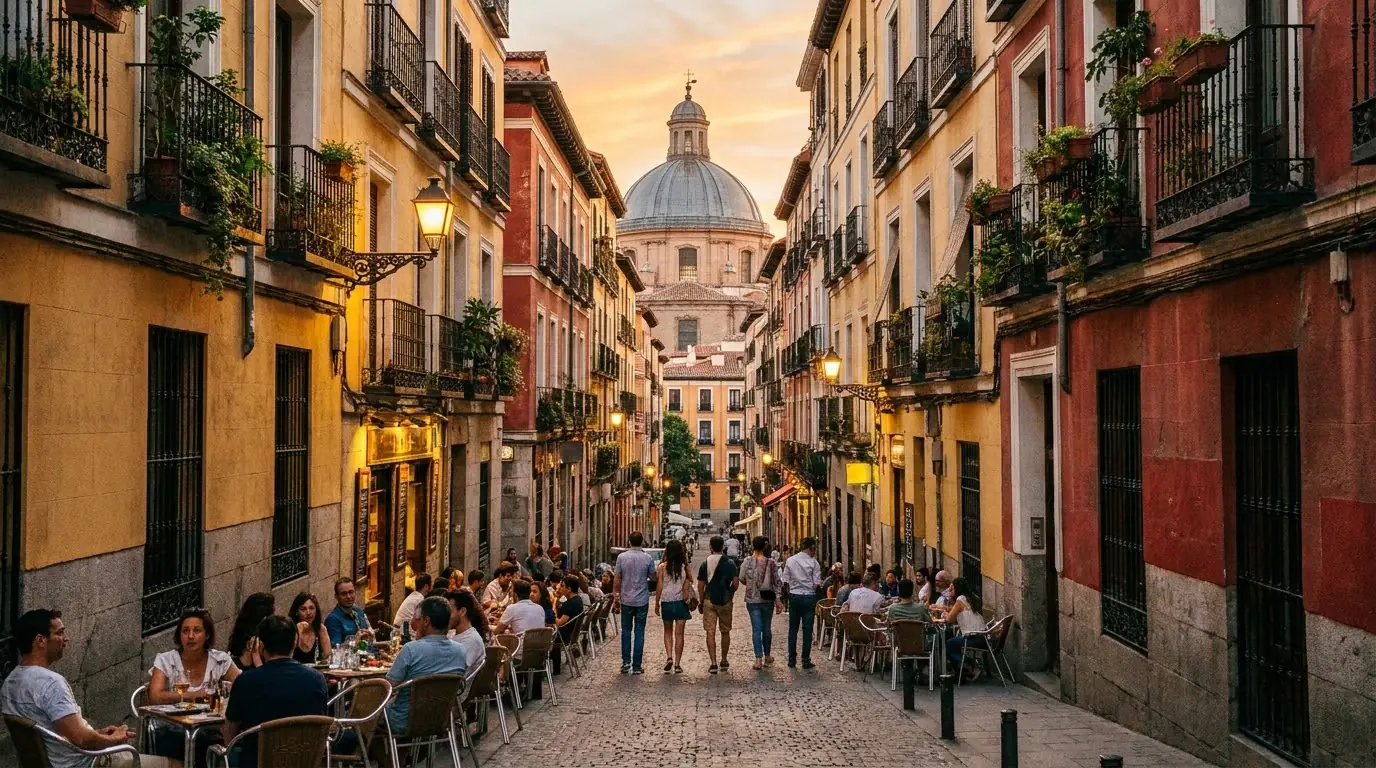
Lavapiés, to the east, is the most mixed and least expensive central district, with Indian and African restaurants, small theatres and the Reina Sofía at its edge. Rooms cost less; some streets feel rough late at night, and the hills are steep, so look at the exact address before booking.
Salamanca and Chamberí: the quiet districts
Salamanca is the grid of 19th-century blocks north of the Retiro, and it is the quietest and best-kept central district. Calle de Serrano and the surrounding streets are Madrid’s upmarket shopping area, with the city’s most expensive hotels. It is about 20 minutes on foot from Sol, and further from the evening than it looks.
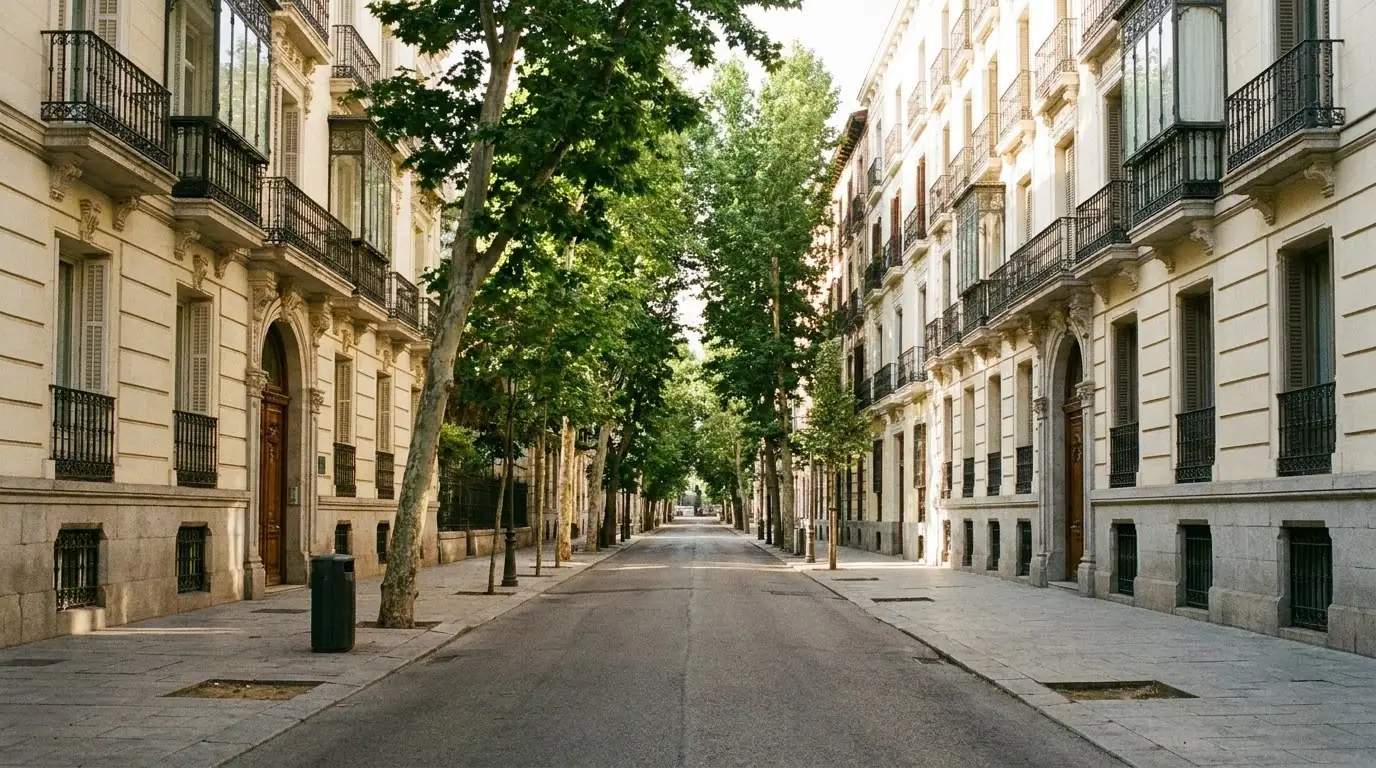
Chamberí, north-west of Salamanca, is the residential alternative: tree-lined streets, neighbourhood markets and bars full of locals, with metro stations at Bilbao and Iglesia. It suits a longer stay or a second visit, and hotel prices are lower than in Salamanca.
Getting around: the airport, the stations and day trips
Getting from Madrid airport to the centre is easy and cheap. Metro line 8 reaches Nuevos Ministerios in about 12 minutes from terminals 1 to 3, where you change; a single ticket costs €1.50 to €2 plus a €3 airport supplement. The Airport Express bus 203 costs €5.10 and reaches Atocha in about 30 minutes, running all night from Cibeles.
- Atocha is the station for high-speed trains south and east, including Toledo, Seville and Barcelona.
- Chamartín, in the north, has the fast trains to Segovia, about 30 minutes away.
- Central Madrid is flat enough to walk; the metro covers everything else, so do not bring a car.
Heat, festivals and what the stay costs
Madrid summers are hot and dry: July averages a 32.1°C high and August 31.3°C (AEMET, Madrid Retiro, 1981-2010), so air conditioning is essential and a pool is a real bonus. Winters are cold for Spain, with January highs near 10°C. Book early for San Isidro in mid-May and for Pride in early July.
Madrid charged no tourist tax as of October 2026, so the price shown when you book is the full room price. For timing, see the best time to visit Madrid and how many days to spend in Madrid.
Every hotel in Madrid on one map
Prices and availability come live from the booking sites
Where not to stay in Madrid
Where not to stay in Madrid comes down to traffic, crowds and distance:
- A street-facing room on Gran Vía: it is the city’s main traffic artery and it runs all night.
- The streets immediately around Puerta del Sol, if you want quiet or a decent dinner on the doorstep.
- Hotels near Barajas airport for a city stay: the metro reaches the centre quickly, so nothing is gained.
- Malasaña and Chueca at weekends, or Chueca in Pride week, if you sleep lightly.
- Business hotels north of Plaza de Castilla: modern and cheap, and a long metro ride from the sights.
To plan the days, use the Madrid itinerary or Madrid in 3 days, and read whether Madrid is worth visiting. Heading on? Compare where to stay in Barcelona and Seville.
Common questions
What is the best area to stay in Madrid for first-time visitors?
Centro, between Puerta del Sol and Plaza Mayor, is the best area for a first visit to Madrid. The Royal Palace, the old town and the Prado are all within about 15 minutes on foot, and metro lines 1, 2 and 3 meet at Sol. Choose a side street, because the squares stay busy until late.
Is Salamanca a good area to stay in Madrid?
Salamanca is a good area if you want quiet, space and upmarket shopping. Its grid of 19th-century blocks east of the Retiro is the calmest of the central districts. It is about 20 minutes on foot from Sol and has fewer tapas bars, so evenings out usually start with a walk or a metro ride.
Where should you not stay in Madrid?
Avoid street-facing rooms on Gran Vía, which carries traffic all night, and the streets immediately around Puerta del Sol if noise bothers you. Skip hotels near Barajas airport for a city stay, because the metro reaches the airport quickly. Light sleepers should also avoid Malasaña and Chueca at weekends.
How do you get from Madrid airport to the city centre?
Metro line 8 runs from the airport to Nuevos Ministerios in about 12 minutes from terminals 1 to 3, where you change for the centre. A single ticket costs €1.50 to €2 plus a €3 airport supplement. The Airport Express bus 203 costs €5.10 and reaches Atocha in about 30 minutes, day and night.
Does Madrid have a tourist tax?
Madrid did not charge a tourist tax as of October 2026. Both the city council and the regional government of the Community of Madrid have rejected one, so the price shown when you book is the full room price. Barcelona, Lisbon, Porto and Mallorca all charge a tax per person per night.
Is it worth staying near the Prado in Madrid?
Staying near the Prado, in the Barrio de las Letras or along the Paseo del Prado, is worth it if the museums are the reason you came. The Prado, the Reina Sofía and the Thyssen are a few minutes apart, the Retiro is behind them, and Atocha station is at the end of the boulevard for day trips.
Opens a price map of Madrid. We may earn a commission if you book, at no extra cost to you.
Where to next
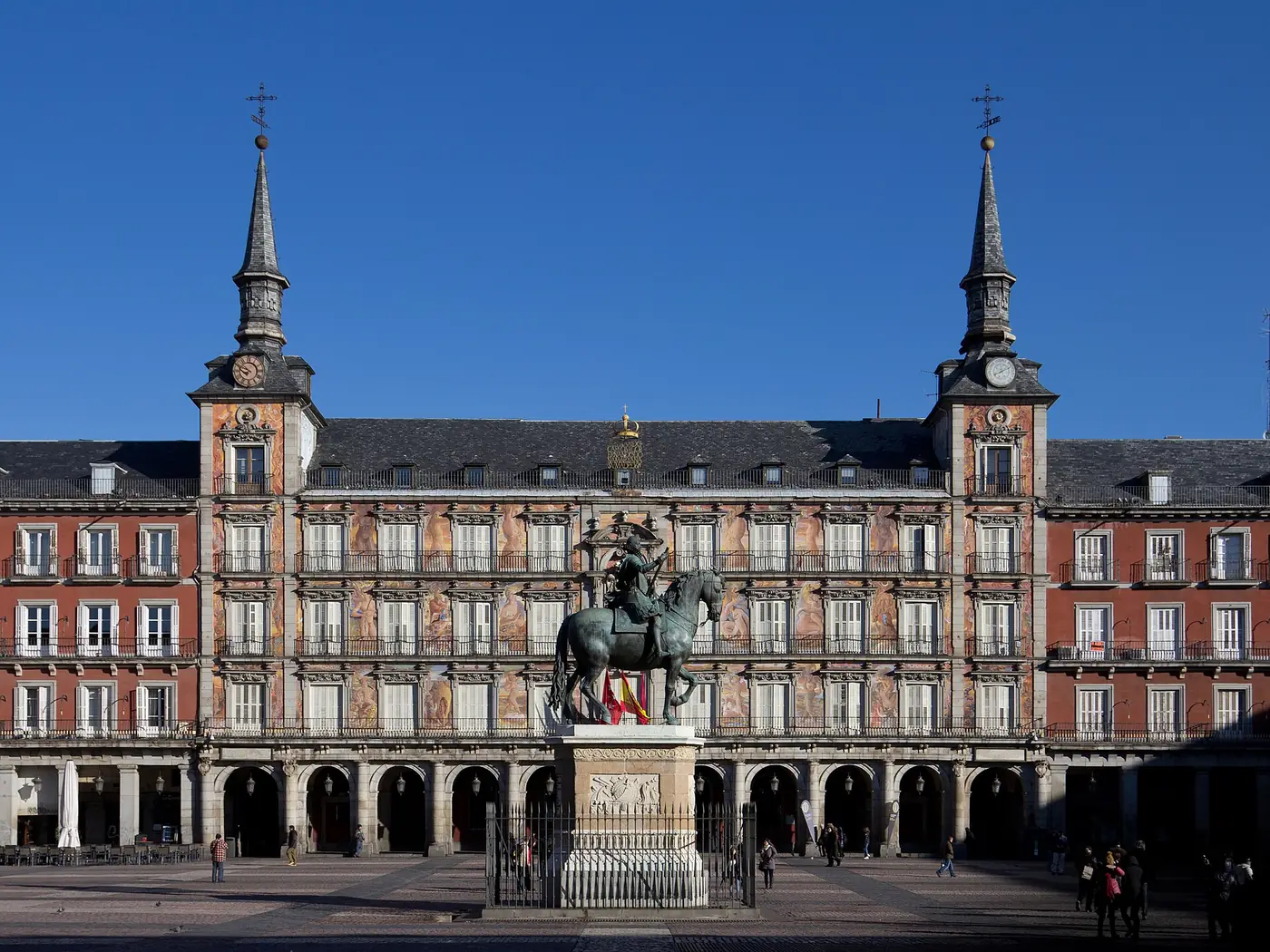
Things to Do in Madrid
The main guide — how long to stay and what is worth the time.
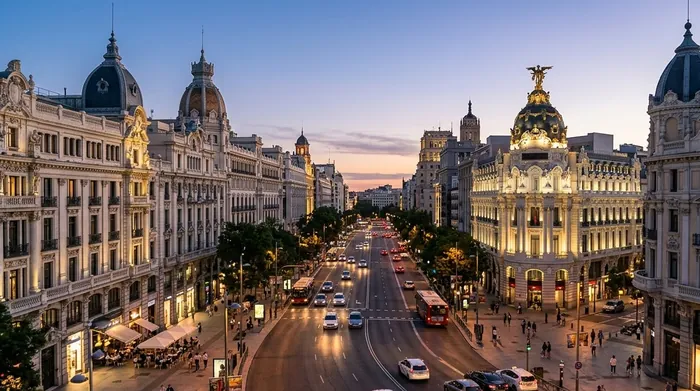
Is Madrid Worth Visiting?
An honest answer, and who Madrid suits least.
Madrid Itinerary
Day-by-day plans for Madrid, from one day to a full week.
Madrid in 3 Days
A three-day plan for Madrid that does not sprint.
Keep planning Madrid
Written and checked by
Travel Guide Kit Editorial
An editorial desk, not an invented persona. Every opening time, ticket price and transport connection here is checked against the operator’s own website and carries the date it was read. Where a page cannot draw on direct experience, it says so.