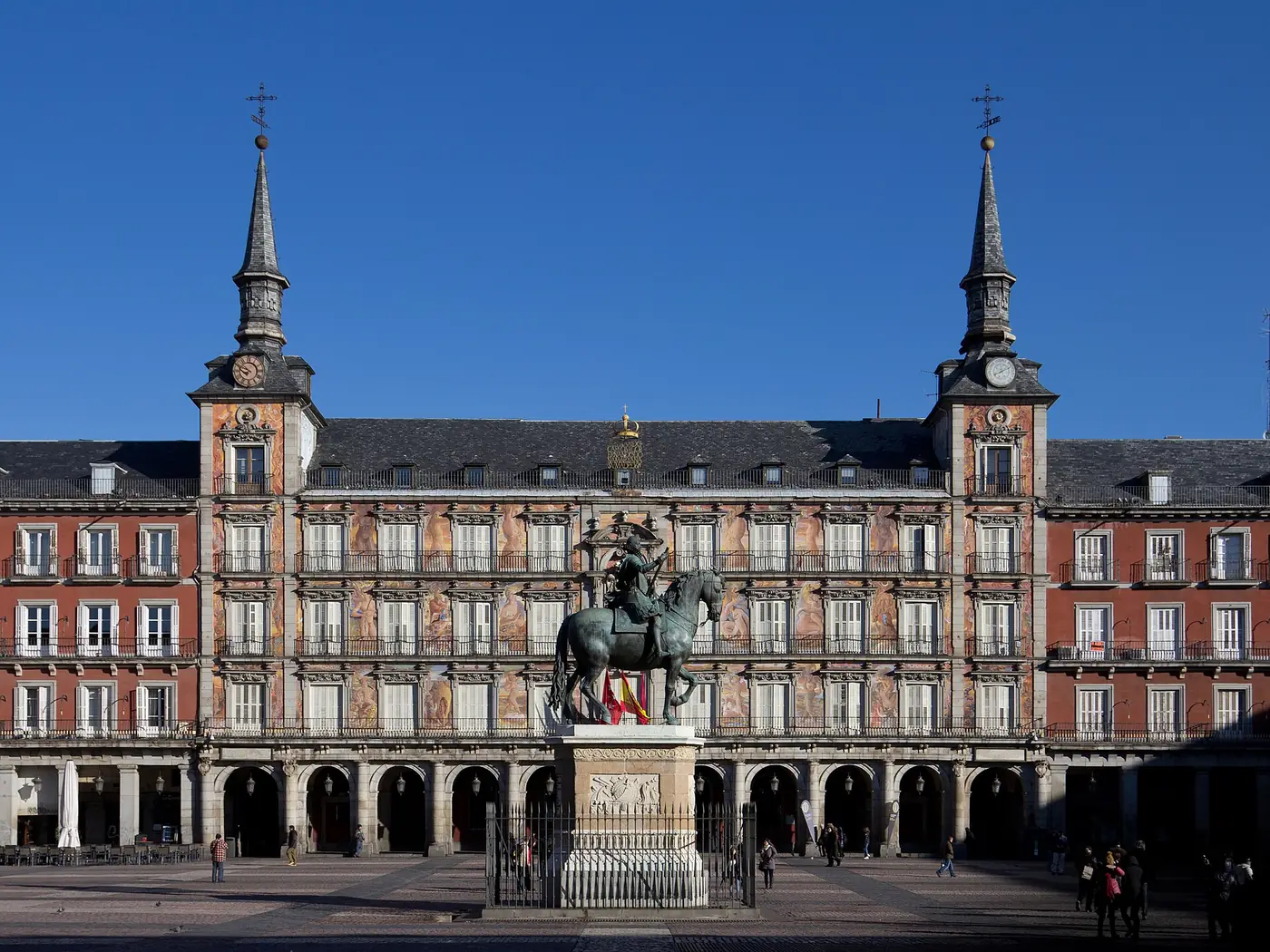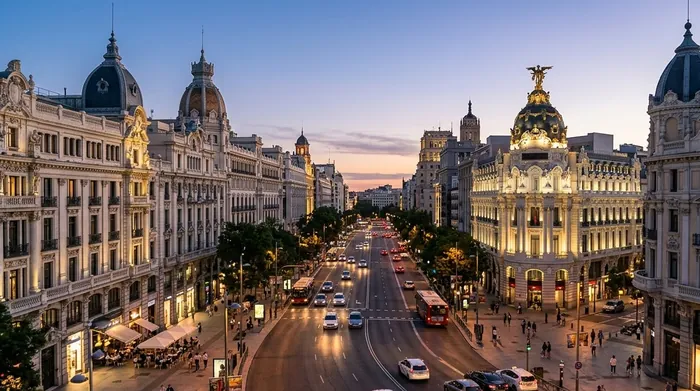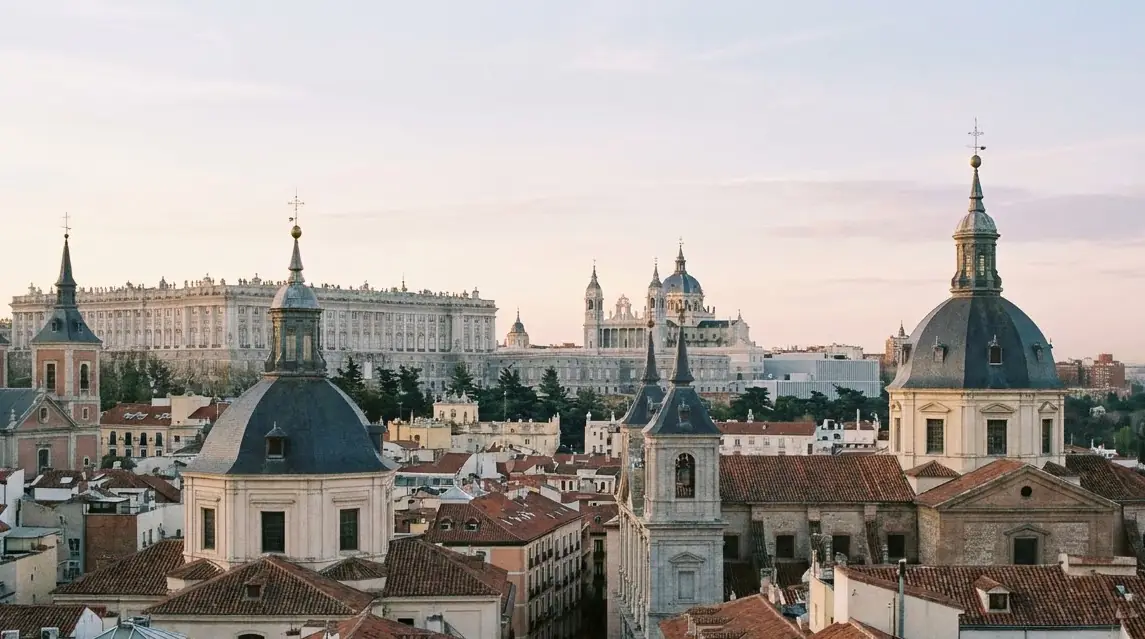
Three full days is right for Madrid, and four with Toledo. Give one day to old Madrid and the palace, one to the Prado and Retiro, and one to the other two museums and a neighbourhood. The late clock helps: with dinner from about 9pm, a Madrid day holds more than a day in most cities.
Madrid is a city of museums, squares and long evenings rather than a checklist of landmarks, and three days is the point at which it stops being rushed. The fourth day belongs outside the city.
| Days | What fits | What you cut |
|---|---|---|
| 1 day | Old Madrid, the palace and one museum | Retiro, two of the three museums, any day trip |
| 2 days | Old Madrid; the Prado and Retiro | The Reina Sofía or the Thyssen, day trips |
| 3 days | All three museums, the old centre, Retiro and a sunset at Debod | Day trips |
| 4 days | The three days above, plus Toledo | Segovia |
| 5 days | Four days plus Segovia | Nothing essential |
| 7 days | Madrid as a base for Toledo, Segovia and El Escorial, at a slow pace | — |
The question most people are really asking is whether Madrid deserves three days when Barcelona and Seville compete for the same week. It does, but it does not need more than four.
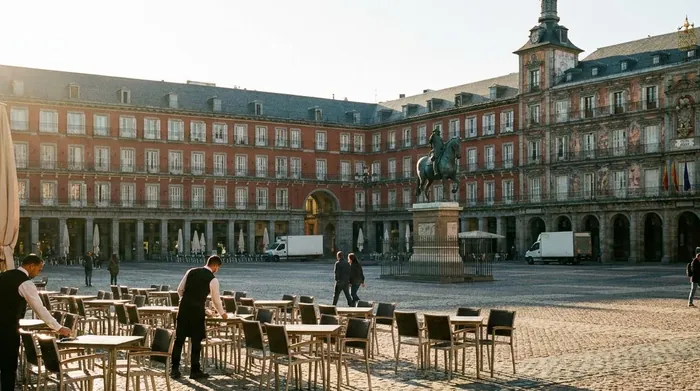
The three great museums sit within a fifteen-minute walk of each other, and the old centre can be crossed on foot in twenty minutes. The trick is not distance but pace: one big museum per day is the limit that keeps the evenings enjoyable.
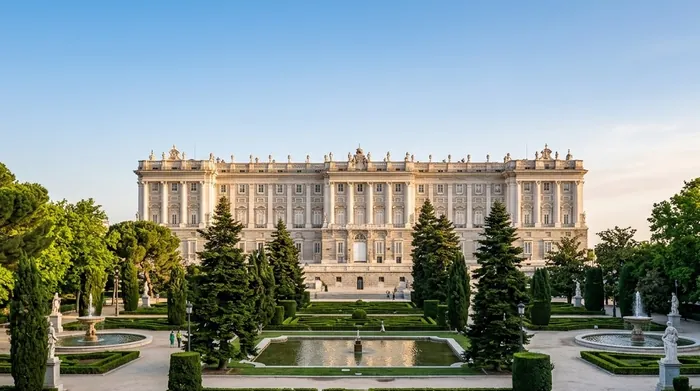
If you only have one free evening at the Reina Sofía, build Day 3 around it. The museum is free Monday and Wednesday to Saturday from 7pm to 9pm, and Sunday from 12.30pm to 2.30pm (checked with the museum, August 2026).
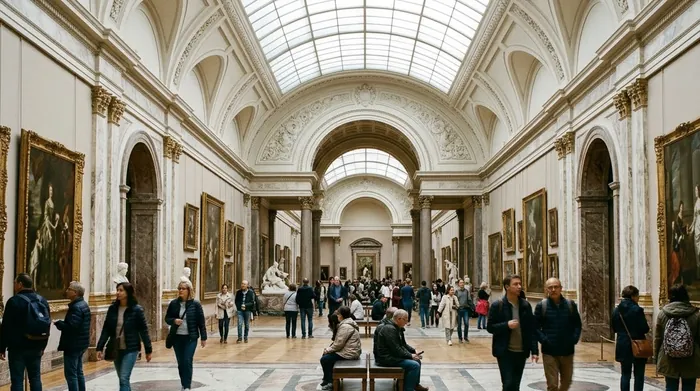
Madrid runs later than almost anywhere else in Europe, and that changes how much a day can hold. Visitors who keep northern hours spend the evenings in empty restaurants; visitors who adapt get an extra half-day every day.

Two days is enough to see the old centre and the Prado, and to understand why people love the city. It is not enough for all three museums without turning the trip into a gallery marathon.
Past three days, the best use of Madrid is to leave it. Both classic day trips are about half an hour away by high-speed train.
| Where | One way | What it needs |
|---|---|---|
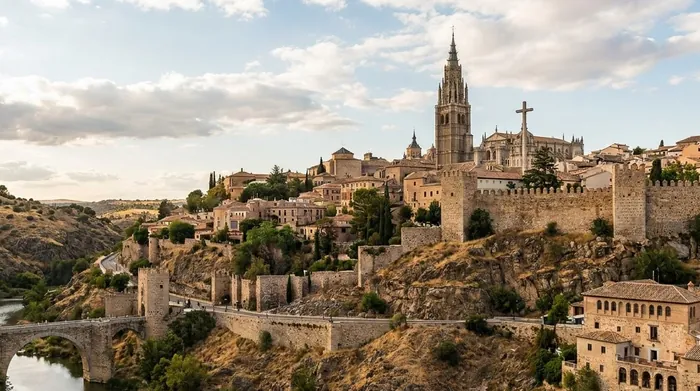
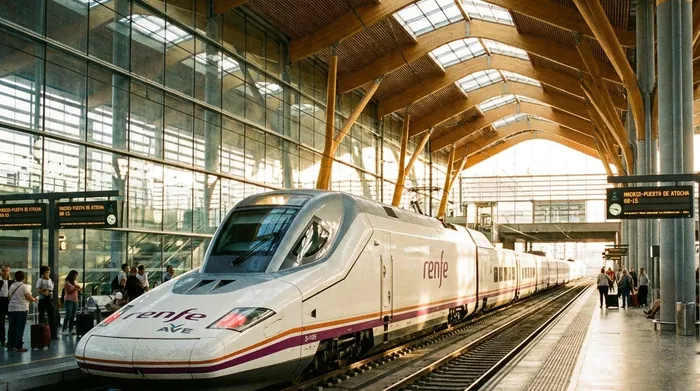
| Toledo | 33 min by AVE from Atocha | A full day. Walled hill city; the cathedral alone takes two hours |
| Segovia | 30 min by AVE from Chamartín | A full day. Roman aqueduct and a fairy-tale alcázar |
| El Escorial | 1 hour by cercanías | A half day. One enormous monastery-palace, and little else |
If you are choosing one, choose Toledo. It is the denser and older of the two, and the one that repays a full day. Segovia is easier and more immediately photogenic, and it is the right second trip on a five-day stay.
Most people deciding how long to spend in Madrid are fitting it into a route with Barcelona, Seville or both. The high-speed trains make the split easy.
| Total trip | Madrid | Barcelona | Seville |
|---|---|---|---|
| 7 days | 3 | 4 | — |
| 10 days | 3, plus Toledo | 3 | 3 |
| 14 days | 4, plus Toledo and Segovia | 4 | 4 |
The weather decides how much of a Madrid day can be spent outside. These are the 1981-2010 climate normals for the Retiro station from AEMET, the Spanish state meteorological agency.
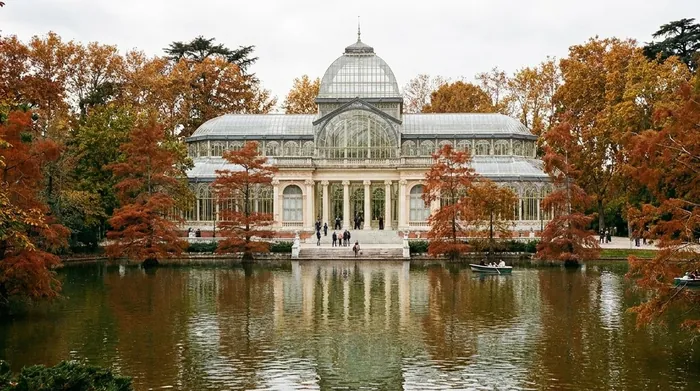
Yes. Three days covers the old centre and the palace, all three great museums at one per day, and Retiro Park. A fourth day is for Toledo, which is about 33 minutes away by high-speed train.
Two days is enough for old Madrid, the Prado and Retiro. It is not enough for all three museums or for a day trip, so choose one of the Reina Sofía and the Thyssen.
Madrid, on most trips: three days against two or three for Seville. Seville is smaller, and in July and August it is far hotter — mean highs of 36°C against 32°C in Madrid (AEMET 1981-2010 normals).
On a first trip, a day more in Barcelona, for the Gaudí buildings, the beach and its day trips. Madrid suits a trip built around art museums and late nights, and three days covers it.
Four: three for the city and one full day for Toledo. Toledo is 33 minutes by AVE from Atocha, but the walled old city and the cathedral need the whole day.
September: a 26.4°C mean high and 22 mm of rain (AEMET 1981-2010 normals). The best-time guide sets out every month.