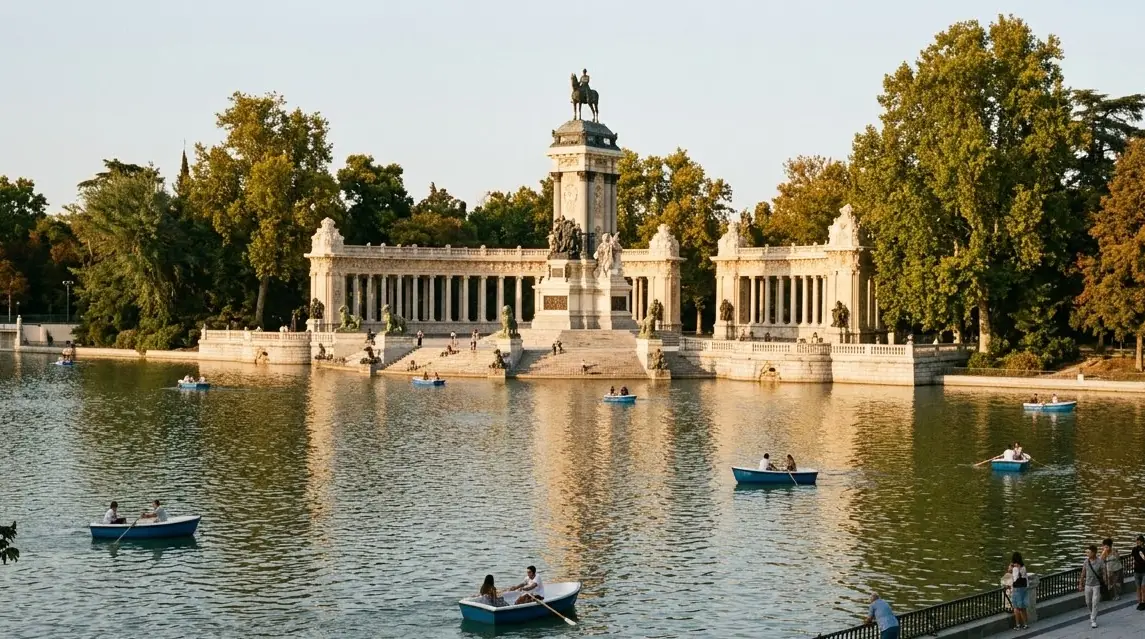
Go to Madrid in September. It averages a 26.4°C high with 22 mm of rain across the month, and the August heat has gone. The first half of June is the next best. Spring is less reliable than its reputation: May brings 50 mm of rain and the most thunderstorms of the Madrid year.
Madrid has two clear windows, and they sit either side of the summer. Both are warm, dry and sunny; the difference is that September comes after the worst of the heat and June comes just before it.
Of the two, September is the safer choice. By the last week of June, July is arriving early more often than not, while the first half of September is reliably past the peak.
Every figure below is the 1981-2010 climate normal for the Retiro station in central Madrid, published by AEMET, the Spanish state meteorological agency. Sunshine for October is not published for this station, so it is left blank rather than estimated.
| Month | Mean high | Mean low | Rain | Rainy days | Sunshine | Storm days |
|---|---|---|---|---|---|---|
| January | 9.8°C | 2.7°C | 33 mm | 5.7 | 149 h | 0.1 |
| February | 12.0°C | 3.7°C | 34 mm | 5.2 | 158 h | 0.1 |
| March | 16.3°C | 6.2°C | 25 mm | 4.1 | 211 h | 0.5 |
| April | 18.2°C | 7.7°C | 45 mm | 6.7 | 230 h | 1.3 |
| May | 22.2°C | 11.3°C | 50 mm | 7.3 | 268 h | 2.9 |
| June | 28.2°C | 16.1°C | 21 mm | 3.4 | 315 h | 2.8 |
| July | 32.1°C | 19.0°C | 12 mm | 1.7 | 355 h | 2.0 |
| August | 31.3°C | 18.8°C | 10 mm | 1.7 | 332 h | 1.6 |
| September | 26.4°C | 15.4°C | 22 mm | 3.3 | 259 h | 1.8 |
| October | 19.4°C | 10.7°C | 60 mm | 6.9 | — | 1.0 |
| November | 13.5°C | 6.3°C | 58 mm | 6.5 | 144 h | 0.1 |
| December | 10.0°C | 3.6°C | 51 mm | 6.8 | 124 h | 0.1 |
Madrid receives only 421 mm of rain a year, far less than Lisbon or Barcelona. What matters is when it falls: October, November, December and May are the four wettest months, and July and August are almost completely dry.
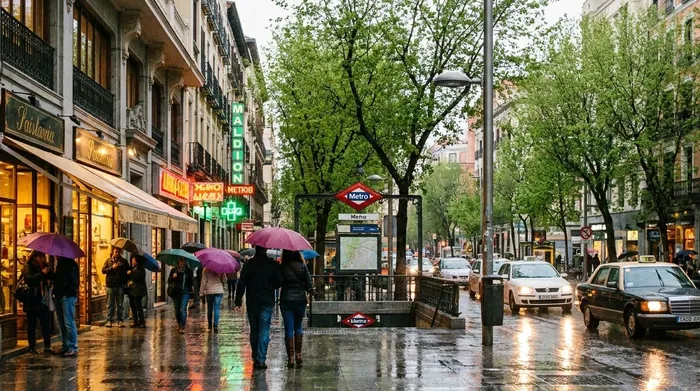
Most guides put Madrid’s best season in spring, often as a single stretch from February to May. The temperatures support that. The rainfall does not, and May is the month where the gap is widest.
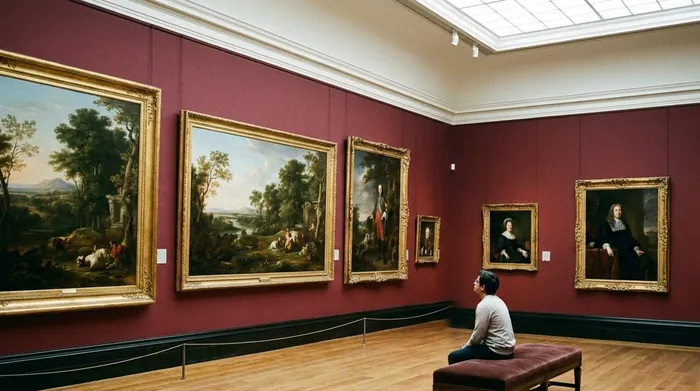
None of this makes spring a bad time to come. It makes it a season where the afternoon plan needs an indoor fallback, and Madrid has three of the best art museums in Europe within a fifteen-minute walk of each other.
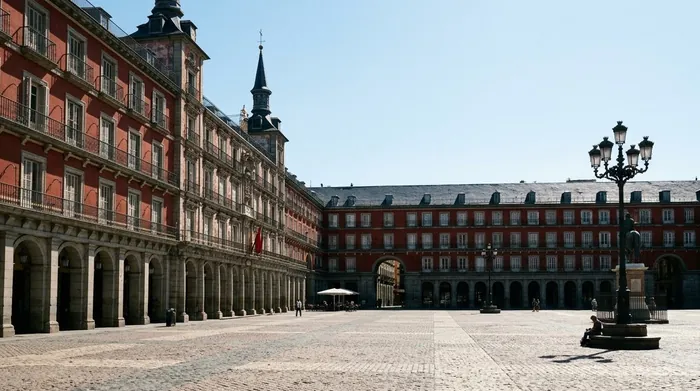
Madrid sits on the central plateau, far from any sea, and its summers are hotter than on the coast. The dry air makes the heat bearable in the shade and punishing in the open squares.
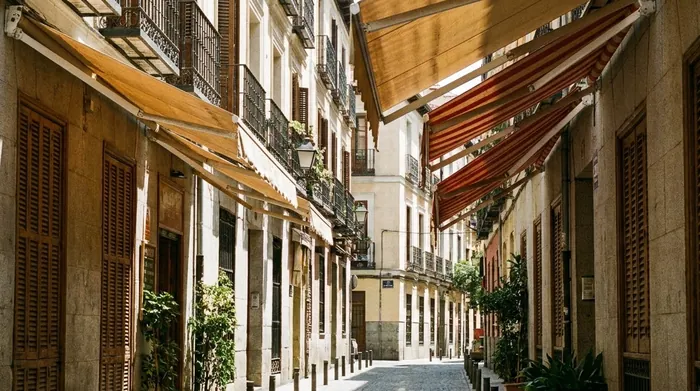
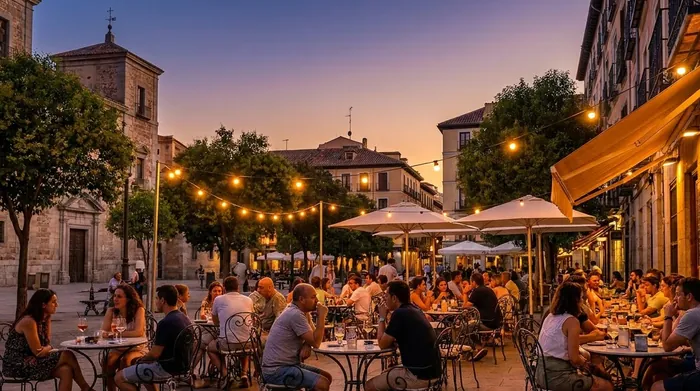
Madrid in summer works if you live on the local clock: museums in the morning, a long lunch from about 2pm, the hottest hours indoors, and the city again from about 8pm, when the terraces fill.
The same plateau that makes summer hot makes winter cold. Madrid is not a winter-sun destination, but it is a dry, bright one, and the museums are at their quietest.
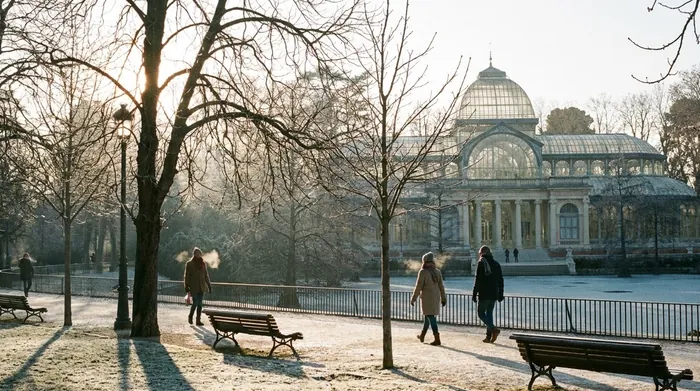
The right month depends on what the trip is for. These are the windows the AEMET numbers support, not a general ranking.
Weather sets half of the answer; the Spanish calendar sets the other half. Madrid is a capital and a business city, so its busy weeks are not only the holiday ones.

If your dates are flexible, compare a hotel price for a weekday and a weekend night in the same week before booking — in a business capital the cheaper night is not always the one you expect.
September. It averages a 26.4°C high, 22 mm of rain and 3.3 rainy days (AEMET 1981-2010 normals), after the heat of July and August has passed. The first half of June is the next best.
January and February, outside the Christmas period. They are cold — January averages a 9.8°C high — but among the drier months of the year, at 33 mm and 34 mm, and the museums are at their quietest.
Three days covers the city itself, and a fourth is for Toledo. The three great museums sit within a fifteen-minute walk of each other, so one day can take in two of them without rushing. The main Madrid guide sets out the days.
They suit different trips. Barcelona is on the sea and its best window is late May to mid-June; Madrid is inland, hotter in summer and colder in winter, and its best month is September. Madrid is the stronger choice for art museums and late nights, Barcelona for architecture and the beach.
July and August average highs of 32.1°C and 31.3°C, the two hottest months of the Madrid year. The air is dry — 38% humidity in July — so shade and water help, and the evenings cool quickly. Plan the afternoon indoors.
Rarely and lightly. The Retiro station averages 3.6 snow days a year, mostly in January and February, and 15.7 frost days. Winter in Madrid is cold and bright rather than wet.
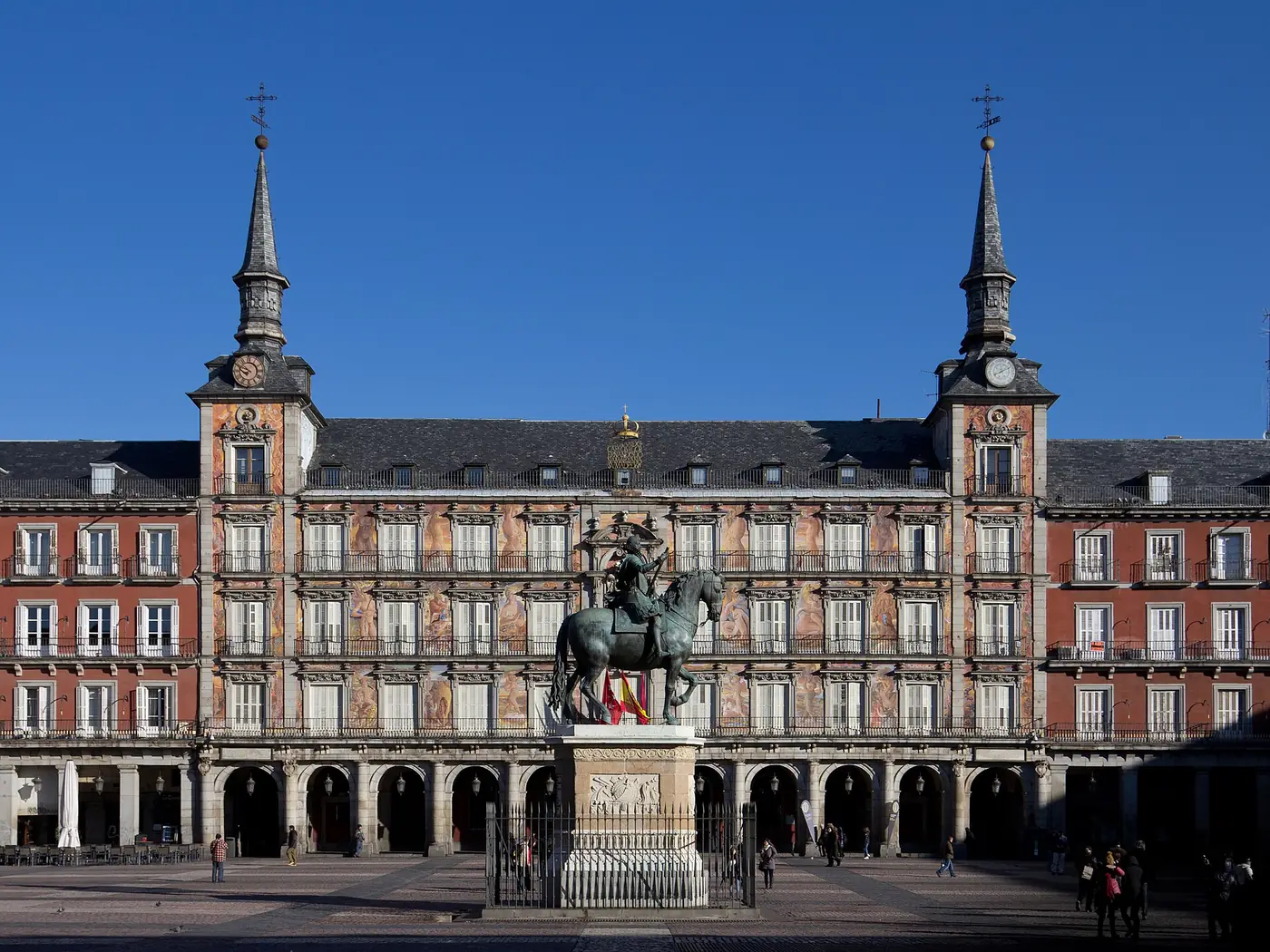 Things to Do in MadridThe main guide — how long to stay and what is worth the time.
 Where to Stay in MadridWhich part of Madrid to sleep in, and who each area suits.How Many Days in Madrid?How long you actually need in Madrid, and what fits in each extra day.Madrid in 3 DaysA three-day plan for Madrid that does not sprint.