
Go to Lisbon in June or September. June averages a 26.1°C high with 14.1 mm of rain; September averages 26.6°C with 38.6 mm and 19.5 days above 25°C. Avoid November, which is the wettest month of the Lisbon year at 133.9 mm — wetter than any winter month.
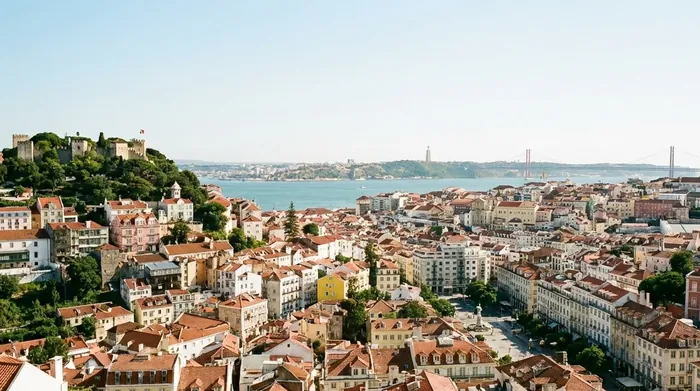
Lisbon has two good windows rather than one, and they sit either side of the summer peak. June gets you the dry weather before the August crowds; September gets you the same warmth after them, with a sea that has had all summer to warm up.
If the choice is purely about weather, September edges it. If it is about price and quiet, June is the better bet, because September is when the rest of Europe has worked out that Lisbon is still warm.
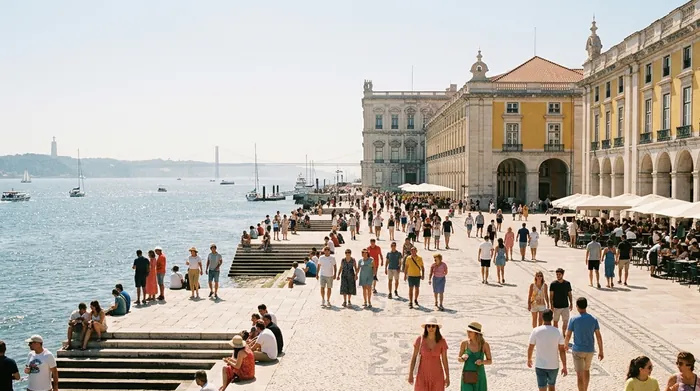
These are the 1991-2020 climate normals for Lisboa / Instituto Geofísico, published by IPMA, the Portuguese meteorological institute. "Warm days" counts days where the maximum reached 25°C; "hot days" counts days that reached 30°C.
| Month | Mean high | Mean low | Rain | Warm days | Hot days |
|---|---|---|---|---|---|
| January | 15.1°C | 8.6°C | 103.8 mm | 0.0 | 0.0 |
| February | 16.4°C | 9.1°C | 77.8 mm | 0.0 | 0.0 |
| March | 18.9°C | 11.0°C | 68.7 mm | 1.4 | 0.0 |
| April | 20.4°C | 12.3°C | 71.8 mm | 3.7 | 0.1 |
| May | 23.1°C | 14.4°C | 57.8 mm | 9.1 | 2.1 |
| June | 26.1°C | 16.8°C | 14.1 mm | 16.9 | 5.7 |
| July | 28.2°C | 18.2°C | 2.6 mm | 25.2 | 8.5 |
| August | 28.8°C | 18.8°C | 5.4 mm | 27.4 | 10.2 |
| September | 26.6°C | 17.6°C | 38.6 mm | 19.5 | 5.7 |
| October | 22.8°C | 15.3°C | 110.6 mm | 7.3 | 0.9 |
| November | 18.1°C | 11.8°C | 133.9 mm | 0.1 | 0.0 |
| December | 15.4°C | 9.4°C | 108.5 mm | 0.0 | 0.0 |
The rain column is the one that decides a Lisbon trip. Four months — October, November, December and January — carry more than 100 mm each and together account for over half the annual total of 793.5 mm.

Lisbon is sold as a year-round city break, and the mild winter temperatures support that. The rainfall does not. The wettest month is November, and the second wettest is October — both wetter than January, which is the month most people picture when they imagine a rainy Lisbon.
The practical consequence is that a late-October or November trip needs an indoor plan, and Lisbon is a good city for one — but book it knowing that, rather than discovering it.
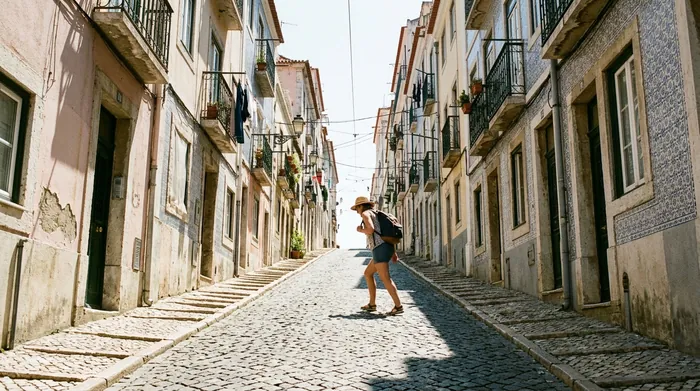
On paper a 28.8°C August high is mild by Iberian standards — Seville and Córdoba are far hotter. What the number does not capture is that Lisbon is built on hills, and the walking is relentlessly up and down. The heat is felt on the climbs, not on the thermometer.
Two adjustments make August workable: start walking before 10am, and use the trams and funiculars for the climbs rather than treating them as a novelty to be photographed and then walked past.
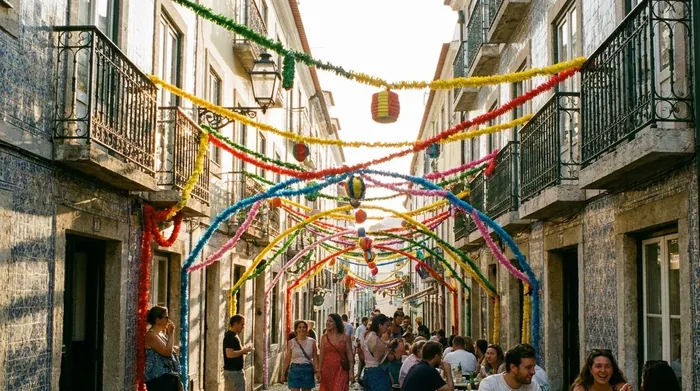
The best month depends on what the trip is for. These windows follow the IPMA normals rather than a general ranking.

Lisbon’s price curve has shifted over the past decade as the city has become a year-round destination, but the shape still follows the school holidays of northern Europe rather than the Portuguese weather.
The single cheapest good-weather week of the Lisbon year is usually the last week of September, after the prices drop but before the October rain arrives.
June or September. June averages a 26.1°C high with 14.1 mm of rain; September averages 26.6°C with 38.6 mm and 19.5 days above 25°C (IPMA 1991-2020 normals). June is cheaper and quieter, September is marginally warmer with a warmer sea.
October to January, and it peaks in November rather than in midwinter. November averages 133.9 mm, October 110.6 mm, December 108.5 mm and January 103.8 mm. Those four months carry more than half of the 793.5 mm Lisbon receives across the year.
The temperatures are moderate for Iberia — an August mean high of 28.8°C — but Lisbon is built on hills, so the heat is felt on the climbs. August averages 27.4 days above 25°C and 6.8 nights that stay above 20°C, which matters most when the accommodation has no air conditioning.
Three full days covers central Lisbon, Belém and one day trip, most often Sintra. Two days is enough only if you skip the day trip entirely. The main Lisbon guide sets out what fits into each day.
No. Three days is the point at which Lisbon stops being a checklist. The city centre takes a day and a half, Belém takes half a day, and Sintra needs a full day of its own rather than a rushed afternoon.
Yes, and it is one of the two best months. September averages a 26.6°C high, 38.6 mm of rain and 19.5 days above 25°C. The rainfall jumps to 110.6 mm in October, so the value sits in September rather than in autumn generally.
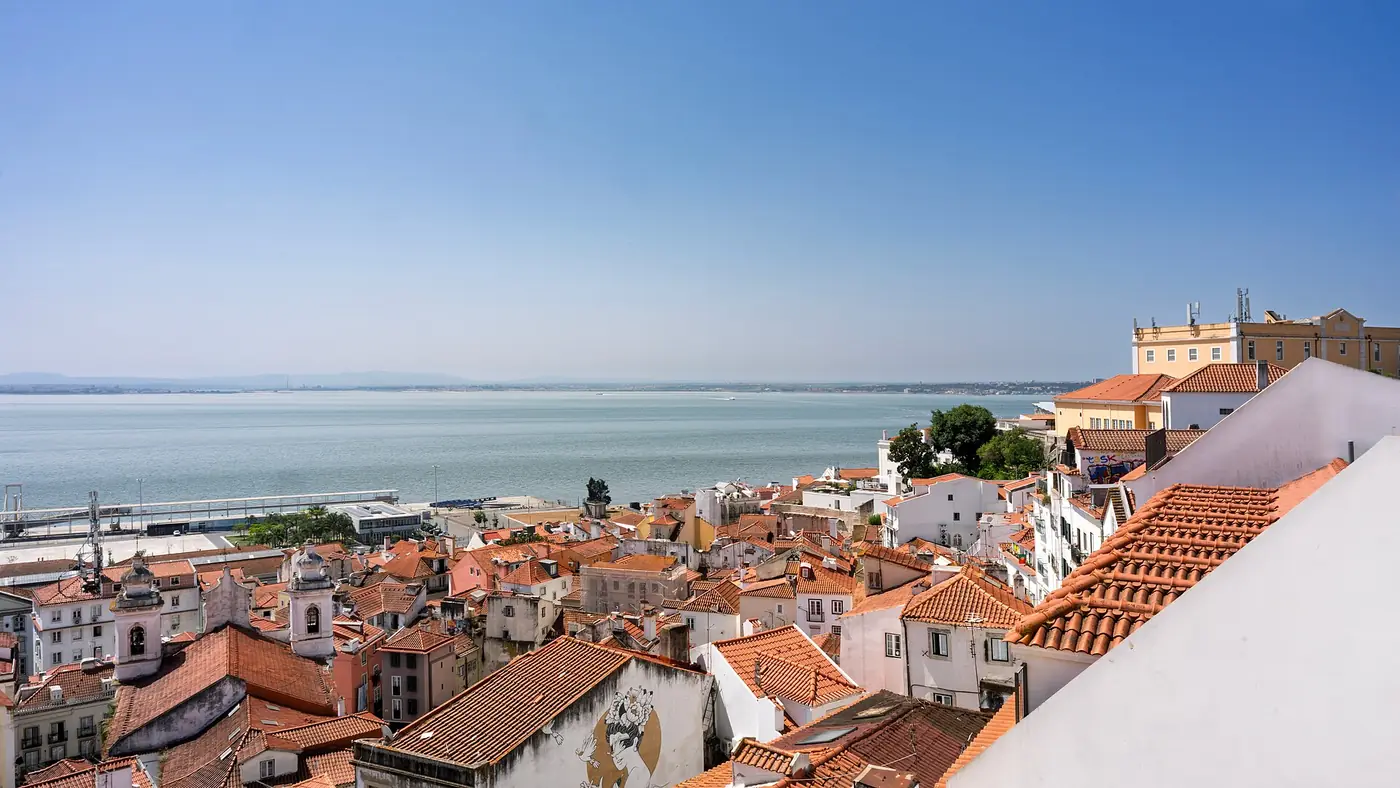 Things to Do in LisbonThe main guide — how long to stay and what is worth the time.
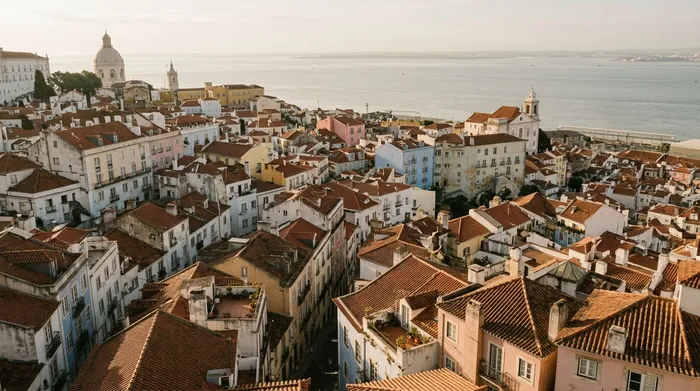 Where to Stay in LisbonWhich part of Lisbon to sleep in, and who each area suits.How Many Days in Lisbon?How long you actually need in Lisbon, and what fits in each extra day.Lisbon ItineraryDay-by-day plans for Lisbon, from one day to a full week.