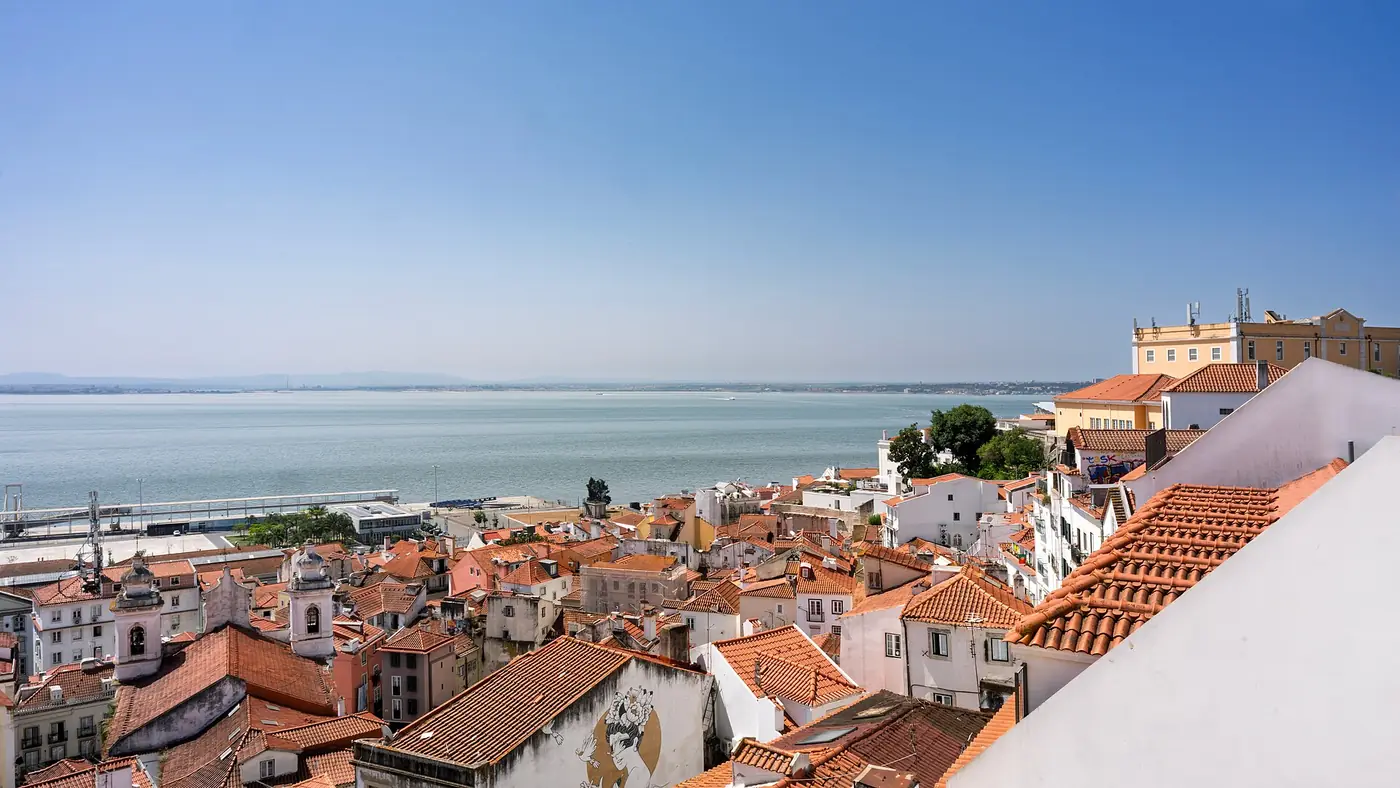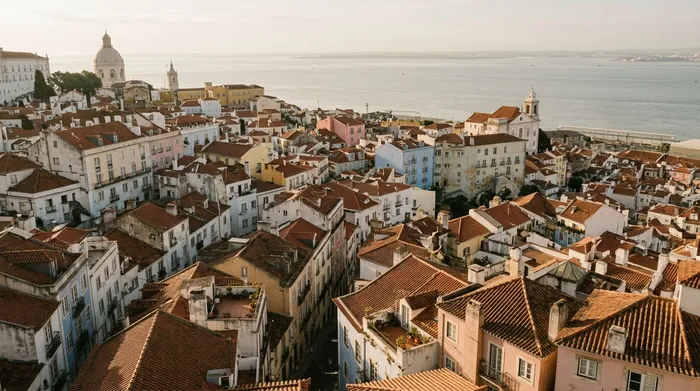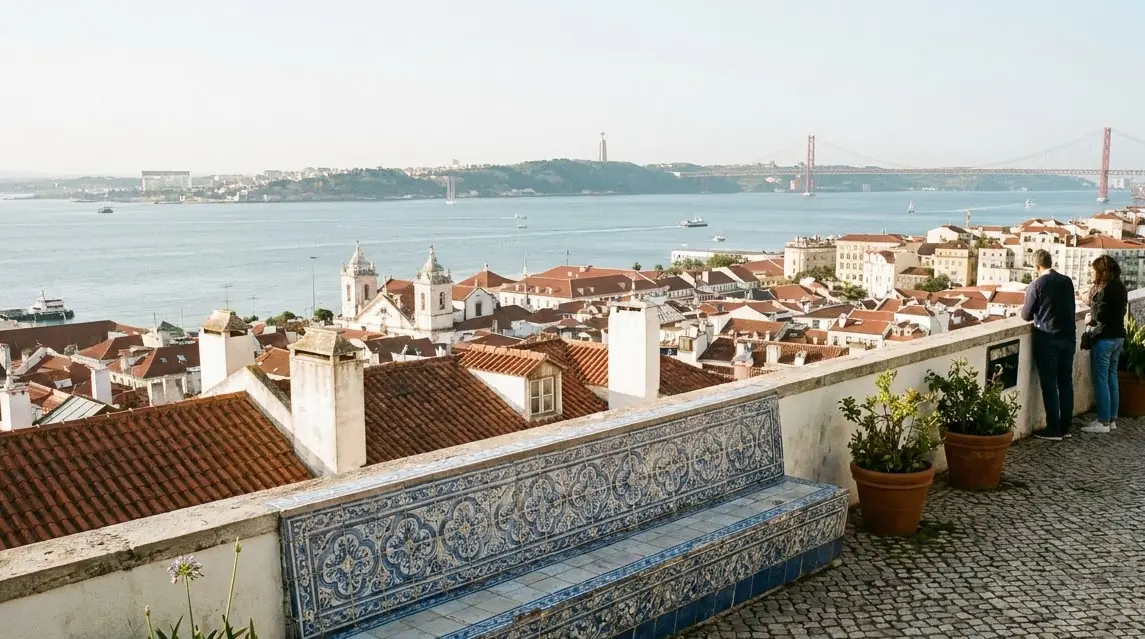
Three full days is right for Lisbon, and four if you want Sintra. Give one day to Alfama and the castle, one to Baixa, Chiado and Bairro Alto, and split the third between Belém and a viewpoint at sunset. Sintra needs a whole day on top: half a day there is worse than not going.
Lisbon is not a large city, but it is a steep one, and the hills set the pace. Three full days covers the centre and Belém without sprinting; the fourth is what lets you do Sintra properly.
| Days | What fits | What you cut |
|---|---|---|
| 1 day | Alfama, the castle and one viewpoint | Belém, Chiado, any day trip |
| 2 days | Alfama and castle; Baixa, Chiado and half a day in Belém | Sintra, Bairro Alto at night, slow meals |
| 3 days | Every central district plus Belém, at walking pace | Sintra |
| 4 days | The three days above, plus a full day in Sintra | Cascais and longer trips |
| 5 days | Four days plus Cascais or Setúbal | Nothing essential |
| 6-7 days | Five days plus Évora, or a slower pace throughout | — |
The numbers most people search for — two, three and five days — map neatly onto three different trips: a stopover, a city break, and a base for seeing the region.
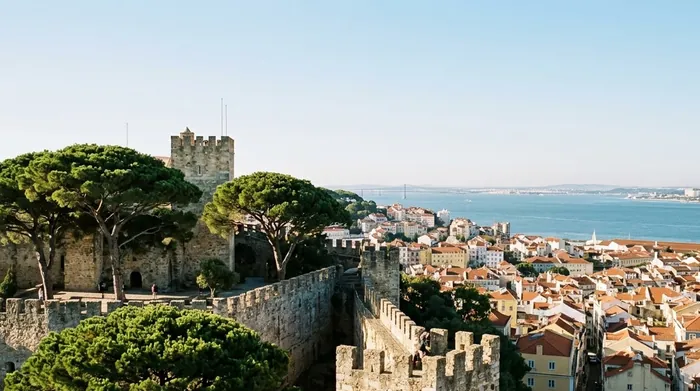
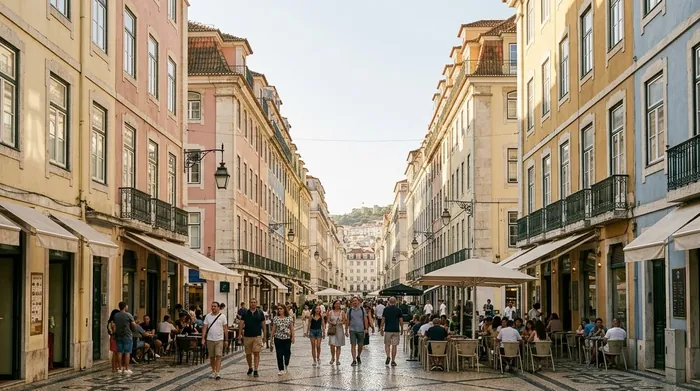
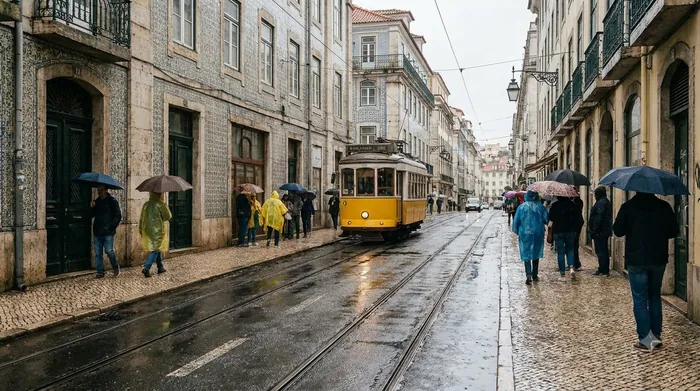
The mistake that costs the most time in Lisbon is treating it like a flat city and crossing it several times a day. Each district sits on or below its own hill, and the climbs between them are steeper than the map suggests.
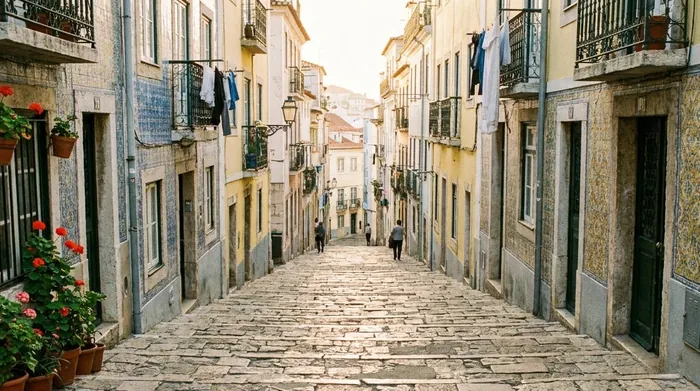
This order also works with the heat. Alfama is the steepest walking in the city and is easiest before midday; Senhora do Monte and São Pedro de Alcântara are the viewpoints for the end of the day.
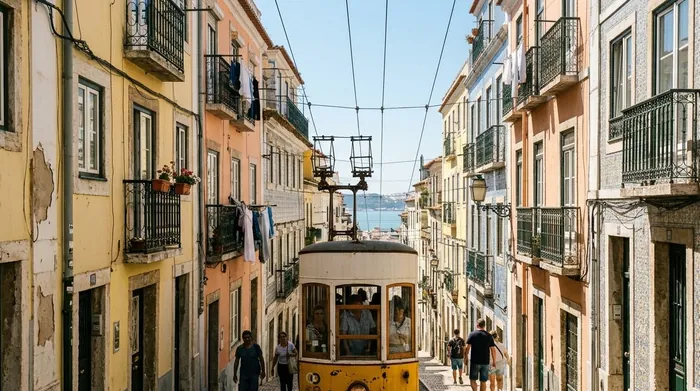
Two days is enough to see Lisbon, but not to see it well. It works for a stopover or as part of a longer Portugal trip, provided you accept what has to go.
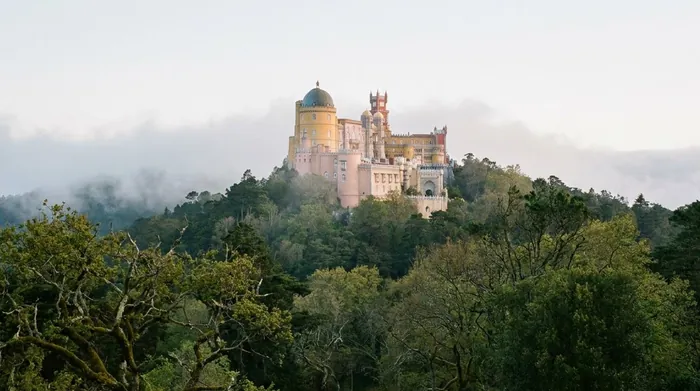
Sintra is about forty minutes by train from Rossio station, and it is the day trip almost every itinerary underestimates. The palaces are spread across a wooded hillside, the shuttle bus between them is slow, and the main sites use timed entry.
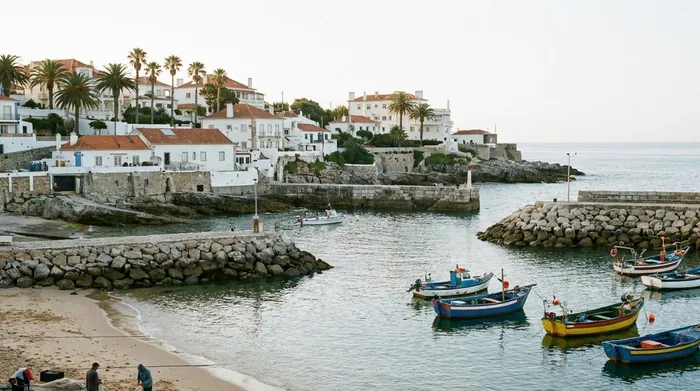
Past four days, Lisbon becomes a base rather than a destination. The extra days are best spent on the coast and the countryside within about ninety minutes of the city.
| Trip | One way | What it needs |
|---|---|---|
| Cascais | 40 min by train from Cais do Sodré | A half day; a beach town, walkable from the station |
| Setúbal | About 1 hour | A half day, for the market and the ferry across the estuary |
| Évora | About 1.5 hours | A full day; a walled centre and a Roman temple |
Most people searching for how long to spend in Lisbon are fitting it into a longer route. The question then is not how many days Lisbon deserves, but how many it should take from the rest of the trip.
| Total trip | Lisbon | Porto | Left over |
|---|---|---|---|
| 5 days | 3 | 2 | — |
| 7 days | 4, with Sintra | 3 | — |
| 10 days | 4, with Sintra | 3 | 3 for the Algarve or the Douro valley |
| 14 days | 5 | 3 | 6 for the Algarve, Évora and the Douro |
The same three days go further in some months than others, because the weather decides how much walking a day can hold. These figures are the 1991-2020 climate normals from IPMA, the Portuguese meteorological institute.
Two days is enough to see the centre — Alfama, the castle, Baixa and Chiado — and half a day in Belém. It is not enough for Sintra, which needs a full day of its own, so a two-day trip should leave it out entirely.
Yes. Three days is the length at which Lisbon stops being a checklist: one day for Alfama and the castle, one for Baixa, Chiado and Bairro Alto, and one for Belém and a sunset viewpoint.
No, provided the fourth day is Sintra. Four days in the city alone starts to repeat itself; three days in the city plus a full day in Sintra is the better-paced trip.
Four: three for Lisbon and one full day for Sintra. Sintra is about forty minutes by train from Rossio station, but its palaces are spread across a hillside and the main sites use timed entry.
They suit different trips. Lisbon is larger, with more to fill three or four days and more day trips within reach. Porto is smaller and more compact, and two or three days covers it. With a week, most people do both.
June or September, when highs average about 26°C with little rain (IPMA 1991-2020 normals). The best-time guide sets out the month-by-month figures.