Trips, planned properly
Travel Guide Kit

Portugal · Lisbon Region

Lisbon Itinerary

By Quyen Lam · Checked September 2026

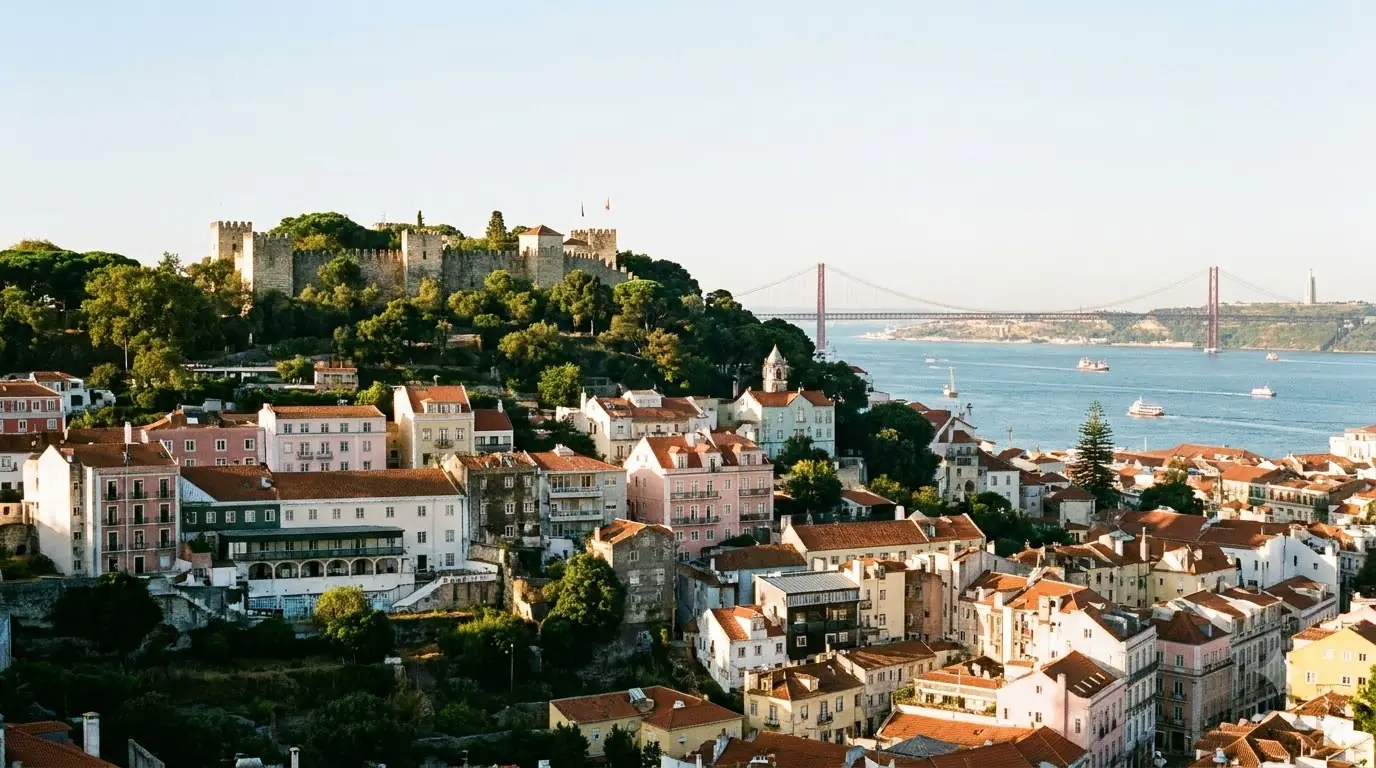
Illustration of castle walls above Lisbon's old quarter and the river
AI-generated · GLabs nano_banana_pro · Generated
In short

Spend day one on the castle and Alfama, day two in Belém, and day three in Baixa, Chiado and Bairro Alto; give Sintra a fourth day. The rule that makes a Lisbon itinerary work is direction: start each day at the top of a hill and walk down, using the trams and funiculars for the climbs.

The four days at a glance

A four-day Lisbon itinerary, hill by hill
DayAreaStart at the topEnd at
1Castle and AlfamaCastelo de São JorgeSunset at Senhora do Monte
2BelémJerónimos Monastery, earlyThe Torre de Belém
3Bairro Alto, Chiado, BaixaSão Pedro de AlcântaraBairro Alto in the evening
4SintraAn early train from RossioBack in Lisbon for dinner

Day 1: the castle and Alfama, top to bottom

Alfama is the oldest quarter and the steepest walking in the city, so do it downhill and in the morning, before the heat and the crowds.

  1. Morning: start at Castelo de São Jorge at the top of the hill. Take a taxi or tram up rather than climbing.
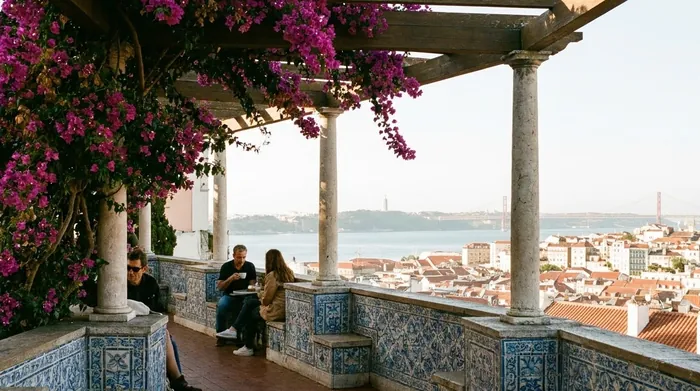
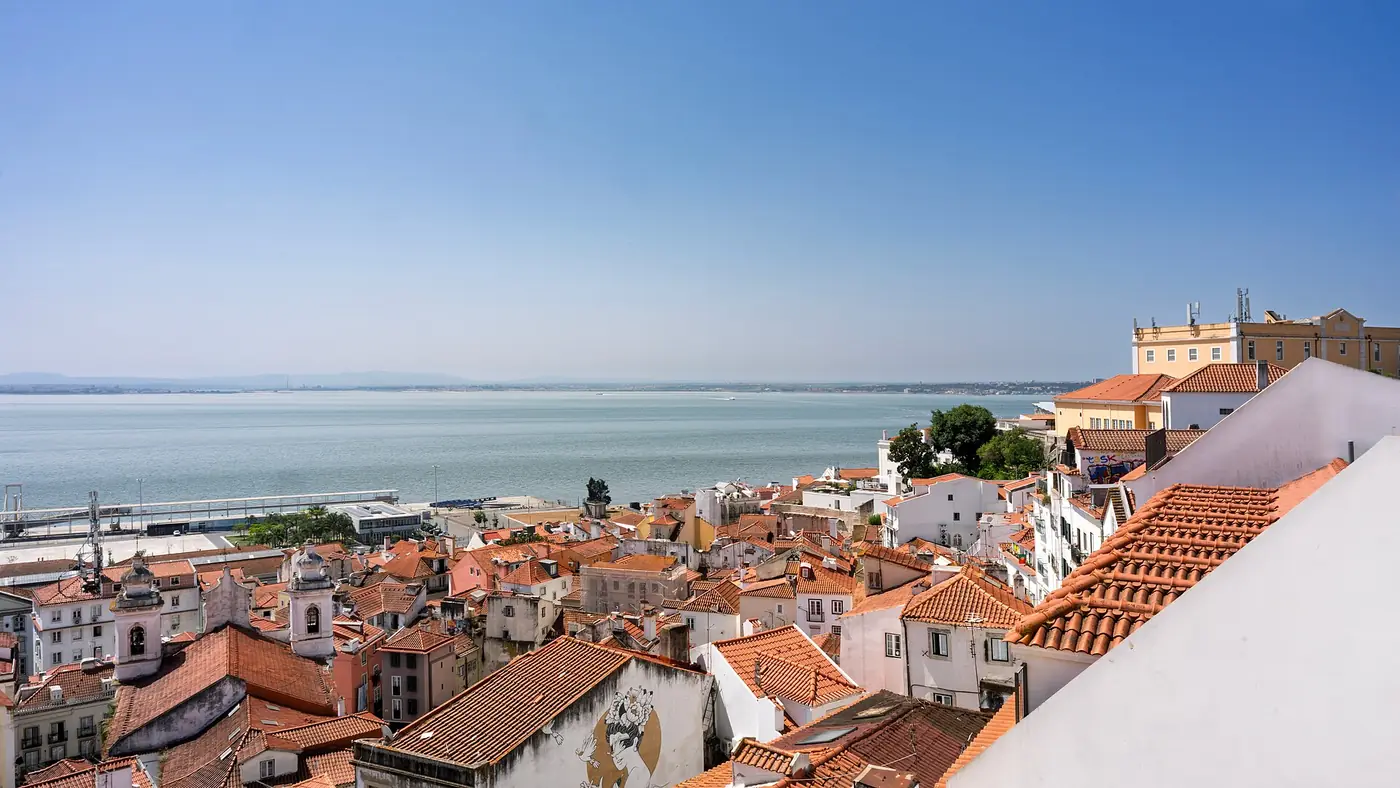
  2. Mid-morning: walk down to the Portas do Sol viewpoint for the classic view over the rooftops, then Santa Luzia a minute away, with its tiled panels and small garden.
  3. Late morning: lose yourself downhill through Alfama towards the river. The lanes do not follow a plan and are better without one.
  4. Lunch: at the bottom, near the river, from about 1pm.
  5. Afternoon: rest. Alfama is hard on the legs, and the rest of the day works better after a break.
  6. Evening: sunset at Senhora do Monte, the highest viewpoint in the city.
Illustration of a tiled viewpoint terrace over Lisbon rooftops
Illustration of a tiled viewpoint terrace over Lisbon rooftopsAI-generated · GLabs nano_banana_pro · Generated
Illustration of people watching sunset over Lisbon from a viewpoint
Illustration of people watching sunset over Lisbon from a viewpointAI-generated · GLabs nano_banana_pro · Generated

Day 2: Belém

Belém holds the two UNESCO monuments and the most famous custard tart in Portugal, within about a kilometre of each other along the river. It is flat, but it is 6 km west of the centre — a separate half day.
  1. Go early. Take the train from Cais do Sodré or a tram along the river.
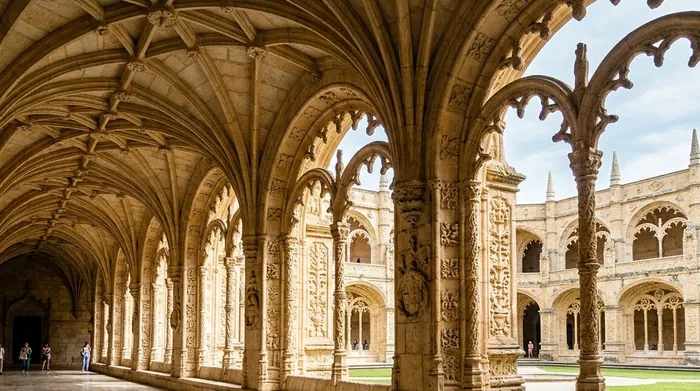
  2. Jerónimos Monastery first: the cloister is the part worth the ticket. The church next door is free and often has no queue at all.
  3. Pastéis de Belém next. The queue outside is the takeaway queue; the sit-down rooms inside are usually far emptier.
  4. Walk the waterfront to the Padrão dos Descobrimentos, which has a lift to the top for a view back over the monastery.
  5. End at the Torre de Belém. It is small inside and the queue is often longer than the visit, so it is fine to see it from outside.
  6. Afternoon: back to the centre, and an unplanned few hours in the neighbourhood you liked on day one.
Illustration of an ornate carved stone cloister in Belém, Lisbon
Illustration of an ornate carved stone cloister in Belém, LisbonAI-generated · GLabs nano_banana_pro · Generated

Day 3: Bairro Alto, Chiado and Baixa

The third day follows the same rule as the first — start high, walk down. Bairro Alto and Príncipe Real sit above Chiado, which sits above the flat grid of Baixa.
  1. Morning: take a funicular up to São Pedro de Alcântara, the viewpoint above Bairro Alto that looks back across Baixa to the castle.
  2. Late morning: walk north to Príncipe Real, the quieter hilltop neighbourhood beyond it.
  3. Lunch: in Chiado, the elegant slope between Bairro Alto and Baixa.
  4. Afternoon: down into Baixa, the flat grid rebuilt after the 1755 earthquake, and out to the river at its southern edge.
  5. Evening: back up to Bairro Alto, which comes alive late.
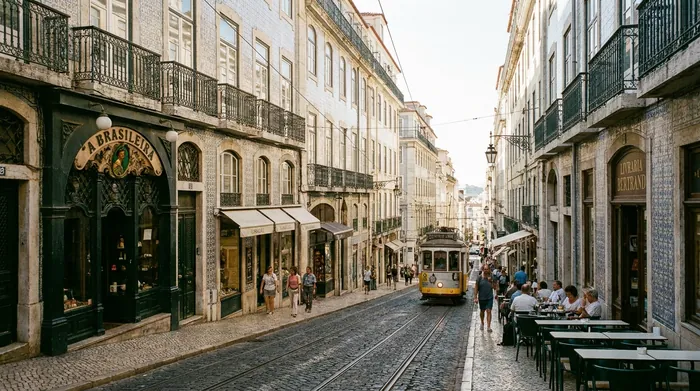
Illustration of a sloping street with cafés in Chiado, Lisbon
Illustration of a sloping street with cafés in Chiado, LisbonAI-generated · GLabs nano_banana_pro · Generated

If you want to ride Tram 28, do it on this day and board at Campo de Ourique, the far end of the line. The queue at Martim Moniz is often forty minutes in season, and the tram is a scheduled service used by residents, not a tour.
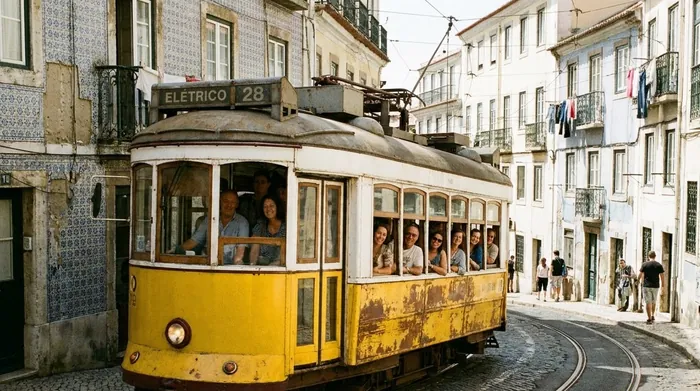
Illustration of an old yellow tram on a narrow curve in Lisbon
Illustration of an old yellow tram on a narrow curve in LisbonAI-generated · GLabs nano_banana_pro · Generated

Day 4: Sintra

Sintra is about forty minutes by train from Rossio station, and it is the day trip almost every itinerary underestimates. The palaces are spread across a wooded hillside, the shuttle bus between them is slow, and the main sites use timed entry.
  1. Take an early train. The queues and the shuttle bus both get worse from late morning.
  2. Book the timed tickets for the palaces before you go, especially between June and September.
  3. Aim for two palaces and the walk between them. Three in one day is a rush.
  4. Plan to be back in Lisbon for dinner, not for lunch.
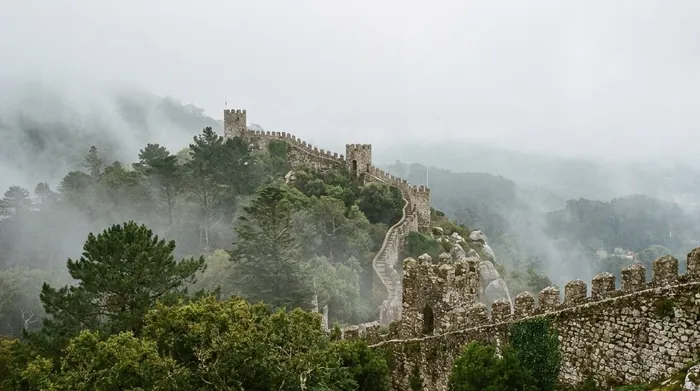
Illustration of castle walls along a forested ridge above Sintra
Illustration of castle walls along a forested ridge above SintraAI-generated · GLabs nano_banana_pro · Generated

If Sintra does not fit, Cascais is the half-day alternative: forty minutes by train from Cais do Sodré, a beach town walkable from the station.

Two days in Lisbon

Two days means choosing. Keep the two hills and give Belém half a day; drop Sintra entirely.

  1. Day 1 morning: the castle and Alfama, top to bottom.
  2. Day 1 afternoon: Baixa and the riverfront.
  3. Day 1 evening: sunset at Senhora do Monte.
  4. Day 2 morning: Belém, early.
  5. Day 2 afternoon: Chiado and a funicular up to São Pedro de Alcântara.
  6. Day 2 evening: Bairro Alto.

How the season changes the itinerary

The weather decides how much hill walking a Lisbon day can hold. These are the 1991-2020 climate normals for Lisboa / Instituto Geofísico from IPMA, the Portuguese meteorological institute.
  1. August averages 27.4 days above 25°C: start Alfama by 9am and keep the early afternoon for Belém’s interiors or a long lunch.
  2. July and August average 18.7 days above 30°C between them, so the steepest walking belongs in the morning.
  3. November averages 133.9 mm of rain and October 110.6 mm — keep the Jerónimos cloister and the Sintra palaces as the rainy-day switches.
  4. June and September are the months this itinerary works at full length, with highs of about 26°C and little rain.
  5. In winter the light goes early, so move the sunset viewpoint to the late afternoon.
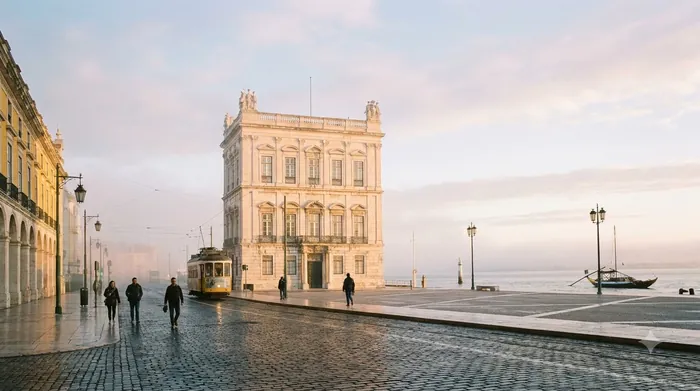
Illustration of a riverfront square in Lisbon in the early morning
Illustration of a riverfront square in Lisbon in the early morningAI-generated · GLabs nano_banana_pro · Generated

What not to build a day around

Common questions

How many days in Lisbon is enough?

Three full days for the city — Alfama, Belém, and Baixa with Chiado and Bairro Alto — and a fourth for Sintra. The how-many-days guide sets out what each extra day adds.

What should you not miss in Lisbon?

The castle and Alfama, the viewpoints at Portas do Sol and Senhora do Monte, the Jerónimos cloister in Belém, and a pastel de nata at the original bakery there. Sintra is the day trip not to miss.

Should you go to Porto or Lisbon first?

Either works; the train links them. Put Lisbon last if your flight home leaves from there, so the final day is spent in the city rather than in transit.

What should you avoid in Lisbon?

Walking the hills upwards when you can walk them down, queuing for Tram 28 at Martim Moniz in season, and trying to fit Sintra into an afternoon.

What is the best order to see Lisbon?

Hill by hill, from the top down: the castle and Alfama on one day, Bairro Alto down through Chiado to Baixa on another, and Belém as a separate morning.
Where to next